6 Reasons People Consider Shockwave Therapy for Chronic Pain
Why Many People Explore Shockwave Therapy for Persistent Pain
Living with chronic pain can affect work, family life, hobbies, and even simple daily tasks. Many people spend months or even years searching for an option that helps them move with greater comfort and confidence. Along the way, they may try exercise programs, stretching routines, manual therapy, lifestyle changes, and other forms of care before finding an approach that suits their condition.
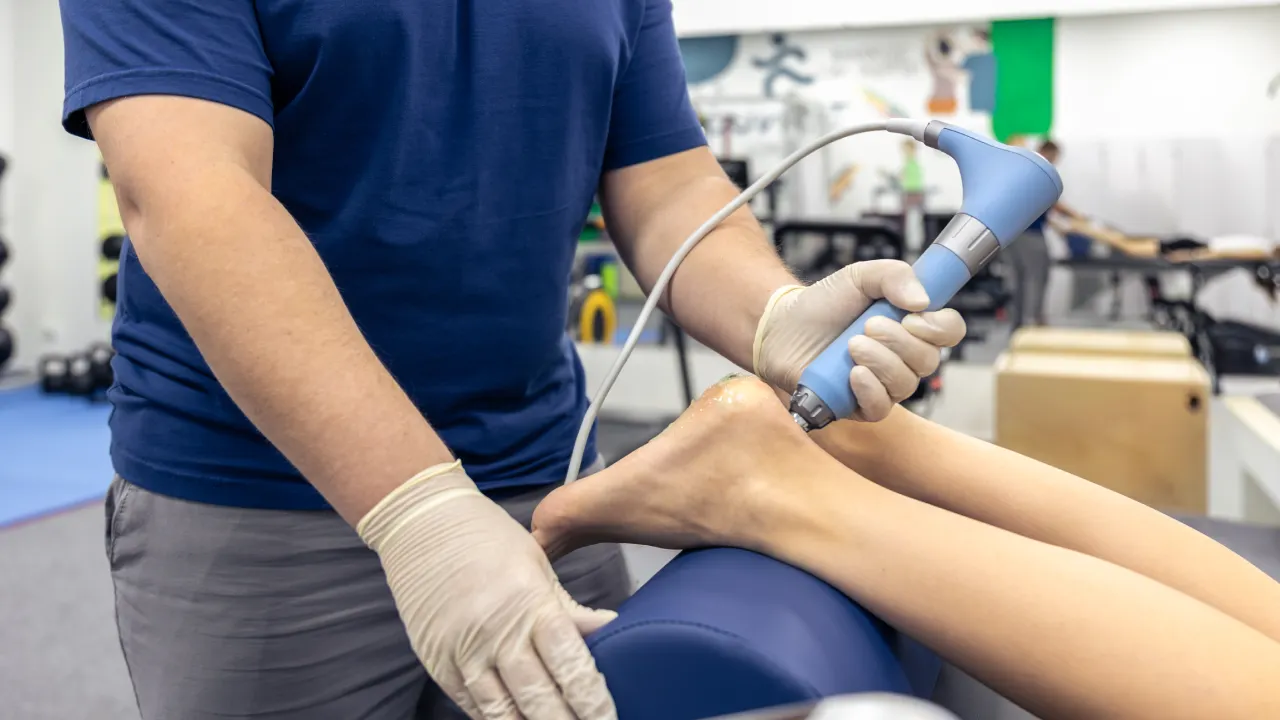
For people in Edmonton, physiotherapy is often part of that journey. One treatment that has gained attention is Shockwave Therapy. It is commonly used by physiotherapists to address stubborn soft tissue conditions that have not responded to other forms of care. The treatment uses acoustic waves directed at the affected area to stimulate the body’s natural repair processes.
At Prime Health Physiotherapy, each person is assessed before any treatment plan is created. The clinic focuses on identifying the source of pain, movement limitations, and contributing factors so that care matches individual needs and goals.
Below are six reasons why many people decide to explore this treatment for ongoing pain.
1. It Can Help With Persistent Pain That Has Lasted for Months
One of the biggest reasons people choose Shockwave Therapy is that their pain has continued for an extended period despite trying other conservative approaches.
Chronic tendon and soft tissue problems often develop gradually. Repeated strain, overuse, sports participation, or workplace demands may lead to irritation that does not settle on its own. As the condition continues, normal movement becomes difficult, and everyday activities may become frustrating.
This treatment is frequently considered when symptoms have continued for several months. It is often included as part of a physiotherapy program that also includes mobility exercises, strength training, posture correction, and movement education.
Rather than focusing only on symptom management, physiotherapists aim to improve tissue function while addressing the factors that contributed to the condition.
2. It May Encourage Tissue Repair
Another reason many individuals consider Shockwave Therapy is its ability to stimulate biological activity within affected tissues.
The acoustic waves create mechanical stimulation in the targeted area. Research suggests this stimulation may encourage increased circulation, support cellular activity, and assist the body’s natural repair response. This makes it a popular option for tendon-related conditions that have become persistent.
Since every condition is different, treatment frequency and intensity are adjusted according to the assessment findings. Physiotherapists also monitor progress throughout the treatment plan and make changes when necessary.
3. It Can Be Used for a Wide Variety of Musculoskeletal Conditions
Pain does not always come from the same source. Some people develop tendon irritation from repetitive lifting, while others experience discomfort after sports injuries or long periods of physical activity.
Shockwave Therapy is used across a broad range of musculoskeletal conditions involving tendons, ligaments, fascia, and other soft tissues.
It is commonly combined with strengthening exercises, flexibility work, and movement retraining. Addressing both the affected tissue and the way the body moves can support meaningful progress.
Many active adults, recreational athletes, workers with physically demanding jobs, and older adults seek this treatment when chronic soft tissue pain limits their daily routines.
4. Sessions Are Usually Short
Busy schedules often make it difficult to commit to lengthy appointments. Another reason people choose Shockwave Therapy is that treatment sessions are generally brief.
Although the exact duration depends on the condition being treated, many appointments involve only a few minutes of acoustic wave application as part of a longer physiotherapy visit.
The physiotherapist may also include exercises, education, and movement coaching during the appointment. This combination allows people to continue working toward improved function while learning strategies that support recovery outside the clinic.
Consistency with home exercises and activity recommendations remains an important part of the overall process.
5. It Fits Well Within a Physiotherapy Program
Successful management of chronic pain rarely depends on a single treatment alone. That is why many clinics include Shockwave Therapy alongside other physiotherapy techniques.
A complete assessment helps identify muscle weakness, joint stiffness, movement habits, balance concerns, or flexibility limitations that may contribute to ongoing discomfort.
By combining exercise therapy, manual therapy, activity modification, and education with this treatment, physiotherapists aim to improve movement quality while addressing the underlying condition.
This approach also allows progress to be measured over time so changes can be made if needed.
6. It May Support a Return to Everyday Activities
Whether someone enjoys gardening, running, recreational sports, walking, or simply climbing stairs without discomfort, chronic pain can interfere with daily life.
Many people choose Shockwave Therapy because they want to return to activities that matter to them.
The goal is not only to address painful tissues but also to help restore normal movement patterns. As function improves, people often become more comfortable participating in work, exercise, and recreational activities under the direction of their physiotherapist.
Every recovery timeline is different. Factors such as the type of condition, its duration, overall health, and adherence to the treatment plan all influence progress.
Conditions Commonly Treated With Shockwave Therapy
Shockwave Therapy is frequently used for chronic soft tissue conditions such as
Plantar fasciitis
Achilles tendinopathy
Tennis elbow
Golfer’s elbow
Rotator cuff tendinopathy
Shoulder calcific tendinitis
Patellar tendinopathy
Hamstring tendinopathy
Hip tendon conditions
Shin splints
Heel pain
Myofascial trigger points
Chronic muscle tightness
Certain ligament injuries during later stages of recovery
Not every condition is suitable for this treatment. A physiotherapy assessment helps determine whether it is appropriate based on medical history, symptoms, and physical findings.
Can Shockwave Therapy Help Reduce Long-Term Pain?
Many people dealing with persistent musculoskeletal pain wonder whether Shockwave Therapy can make a difference when symptoms have lasted for months or even years. While results vary depending on the condition and individual factors, this treatment is often considered for chronic tendon and soft tissue problems that have not improved with rest or other conservative approaches.
The acoustic waves used during treatment stimulate the affected tissues and encourage the body’s natural healing response. This process may help improve blood flow, support tissue repair, and reduce sensitivity in painful areas over time. Rather than masking symptoms, the goal is to promote healthier tissue function while addressing the underlying cause of discomfort.
It is important to understand that Shockwave Therapy is typically most effective when it is part of a broader physiotherapy program. Strengthening exercises, flexibility training, movement correction, and activity modification all play a role in supporting recovery and helping reduce the likelihood of recurring pain.
At Prime Health Physiotherapy in Edmonton, every treatment plan begins with a detailed assessment to determine whether this approach is appropriate for your condition. By identifying movement limitations, contributing factors, and the source of your symptoms, physiotherapists can recommend a plan that supports improved function and a gradual return to everyday activities.
Why Choose Prime Health Physiotherapy in Edmonton?
Prime Health Physiotherapy provides assessment and treatment for a wide range of musculoskeletal conditions in Edmonton. The clinic focuses on identifying the source of pain instead of looking only at the area where symptoms are felt.
Each visit includes careful evaluation, progress monitoring, and exercise instruction that supports continued improvement outside the clinic. Education is also an important part of care, helping people understand their condition and the steps involved in recovery.
Whether pain began after sports participation, repetitive work, or everyday activities, the clinic works to create a practical treatment plan that supports improved mobility and function.
FAQs
1. What is Shockwave Therapy?
It is a physiotherapy treatment that uses acoustic waves to stimulate targeted soft tissues. It is commonly used for chronic tendon and soft tissue conditions that have not improved with time or other conservative care.
2. Is the treatment painful?
Some people experience mild discomfort during the session, especially over sensitive areas. The intensity can usually be adjusted based on comfort and the condition being treated.
3. How many sessions are usually needed?
The number of visits depends on the condition, how long symptoms have been present, and the person’s response to treatment. Your physiotherapist will discuss an expected treatment schedule after the assessment.
4. Can I continue normal activities after treatment?
Many people can return to most daily activities after a session. However, your physiotherapist may recommend temporarily reducing certain high-impact activities depending on your condition.
5. Is this treatment suitable for everyone?
No. Certain medical conditions and circumstances may make this treatment unsuitable. A physiotherapy assessment is necessary to determine whether it is an appropriate option for your situation.
Take the Next Step
If chronic pain is limiting your daily activities, schedule an assessment with Prime Health Physiotherapy in Edmonton. A physiotherapist can determine whether Shockwave Therapy is appropriate for your condition and explain how it may fit into your treatment plan. Contact the clinic today to book your appointment and take the first step toward moving with greater comfort.