Call UsBook Appointment

Post-Surgical Rehab

Post-Surgical Rehab

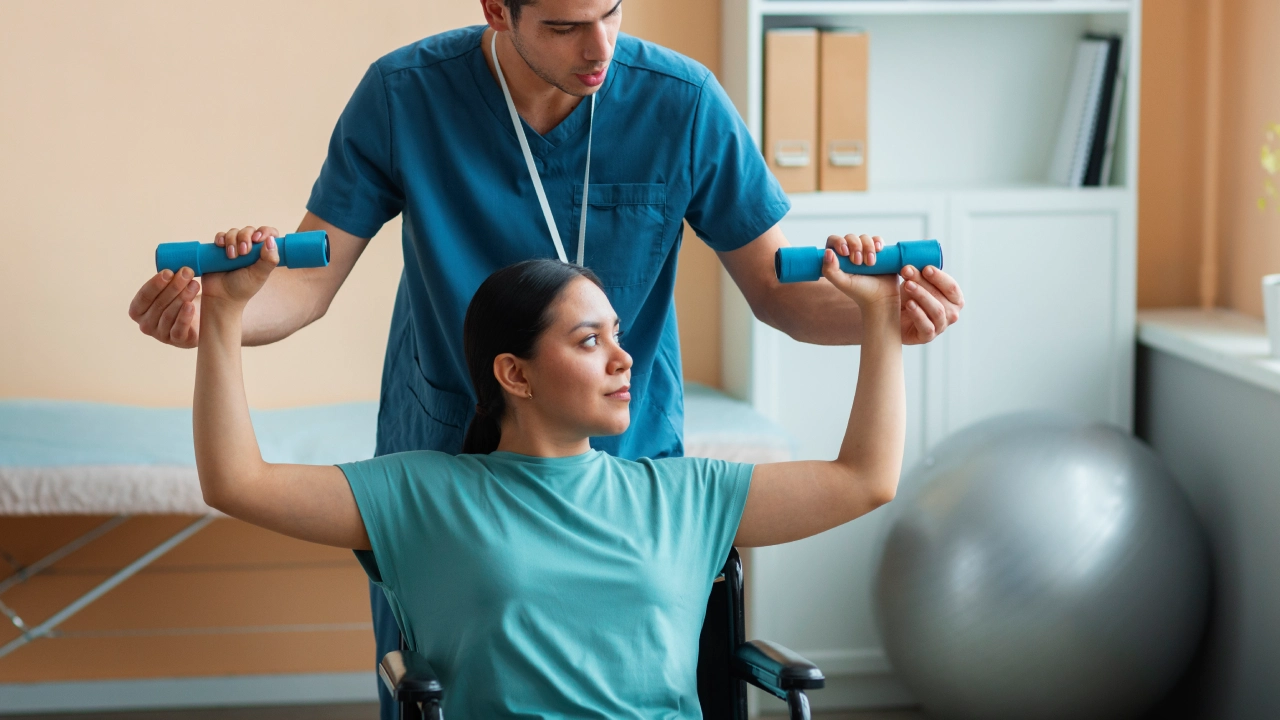
Surgery is often only one stage of the recovery process. After a procedure, the body requires structured movement and gradual strengthening to restore mobility and joint function. Post-Surgical Rehab focuses on rebuilding movement patterns, supporting tissue recovery, and helping individuals return to everyday activities safely.

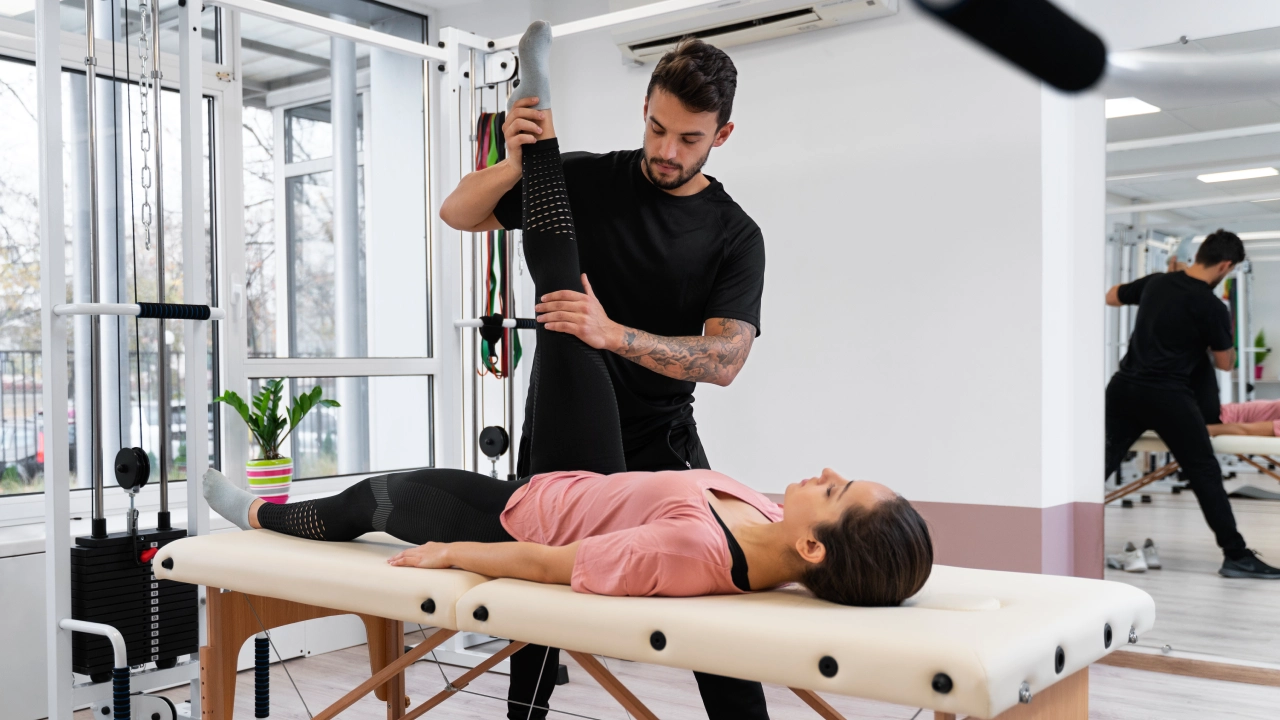
At Prime Health Physiotherapy, structured care plans focus on restoring range of motion, joint stability, and muscle coordination after surgery. Each stage of Post-Surgical Rehab is carefully planned so that tissues are not overloaded as strength and mobility continue to improve.

Many people experience stiffness, swelling, and reduced range of motion after surgical procedures. Post-Surgical Rehab helps address these challenges through guided exercises, mobility work, and monitored activity progression.

Why Post-Surgical Rehab Matters

After surgery, tissues such as muscles, ligaments, and joints may remain stiff or weak for some time. Without structured rehabilitation, this can lead to reduced mobility, altered movement patterns, and slower recovery.

Post-Surgical Rehab provides a clear pathway for the body to rebuild strength while protecting the surgical area. At Prime Health Physiotherapy, rehabilitation focuses on restoring normal movement patterns while reducing unnecessary strain on healing structures.

A structured program helps with:

  • Restoring joint mobility
  • Rebuilding muscle strength
  • Supporting balance and coordination
  • Improving flexibility
  • Encouraging safe movement habits

Through gradual progression, Post-Surgical Rehab helps individuals return to daily routines with improved movement control.

Conditions That Often Require Post-Surgical Rehab

Many types of surgical procedures benefit from physiotherapy-based rehabilitation. Each procedure places different demands on the body, and recovery timelines vary.

Orthopaedic Surgeries

Joint and bone procedures often require structured movement training. These surgeries may include:

  • Knee procedures
  • Hip procedures
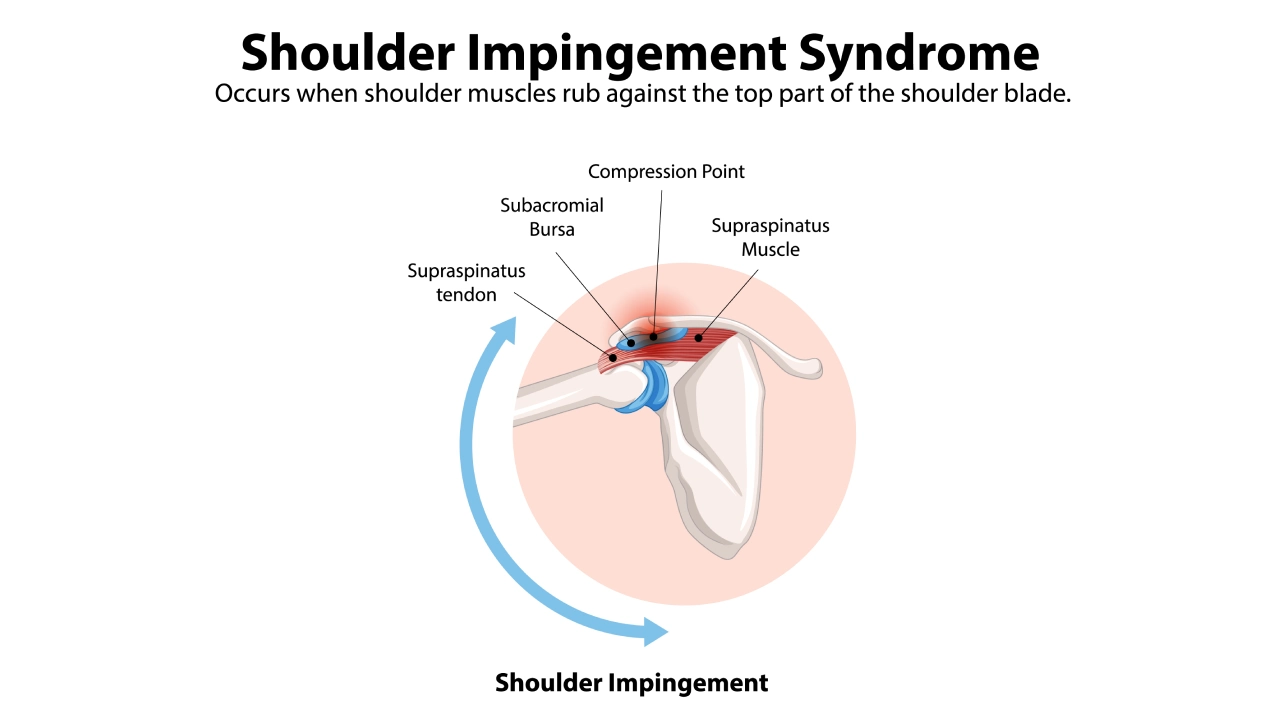
  • Shoulder repairs
  • Ligament reconstruction
  • Fracture fixation

After these operations, Post-Surgical Rehab helps restore joint movement and muscle activation that may have been affected during surgery or immobilization.

Spinal Procedures

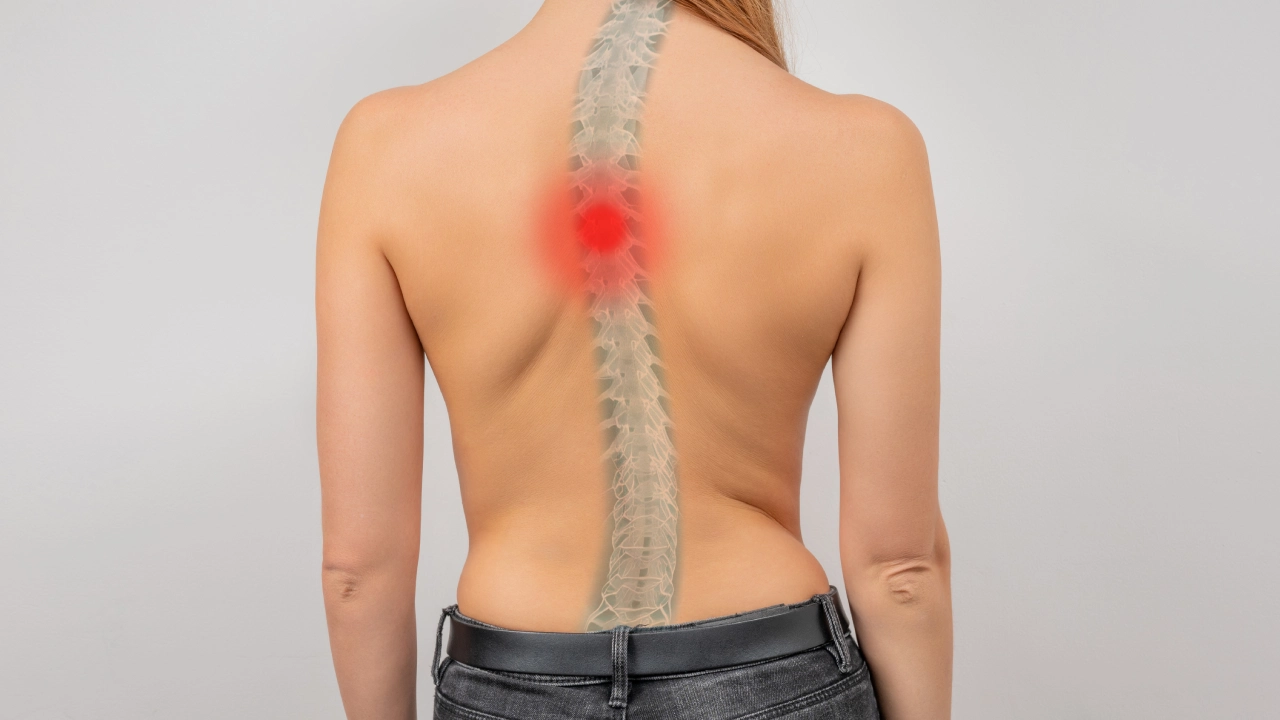
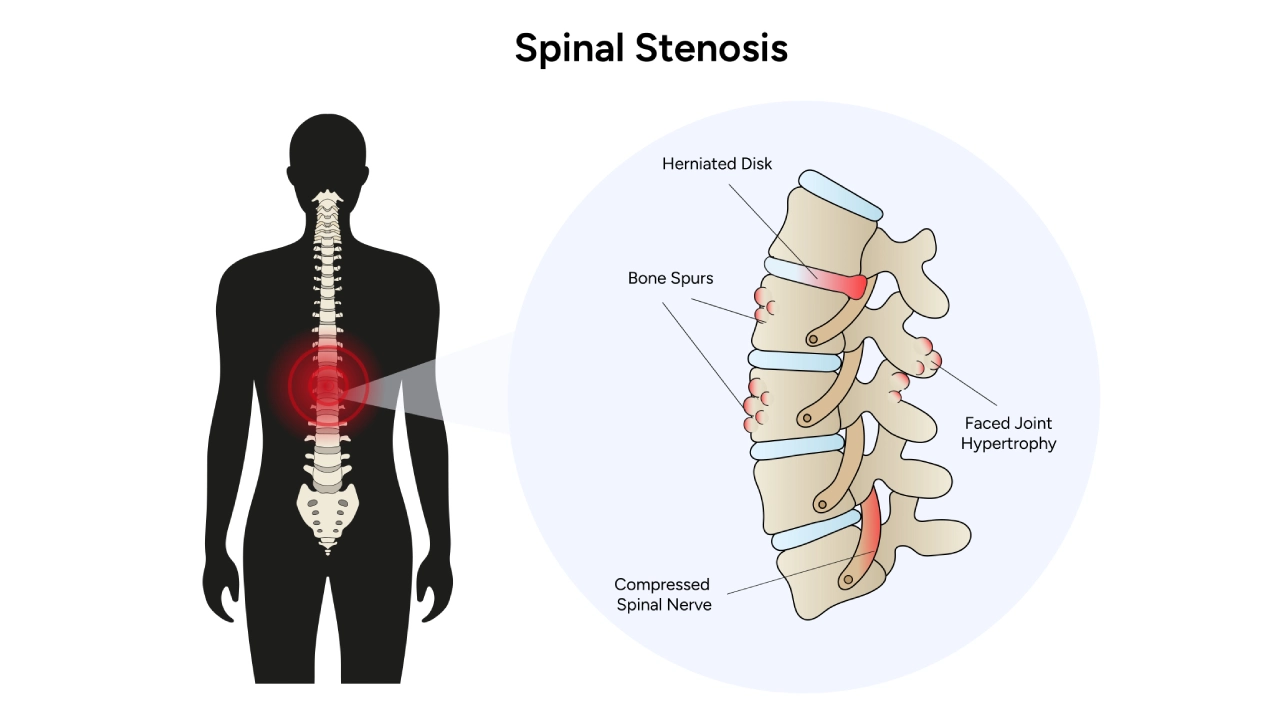
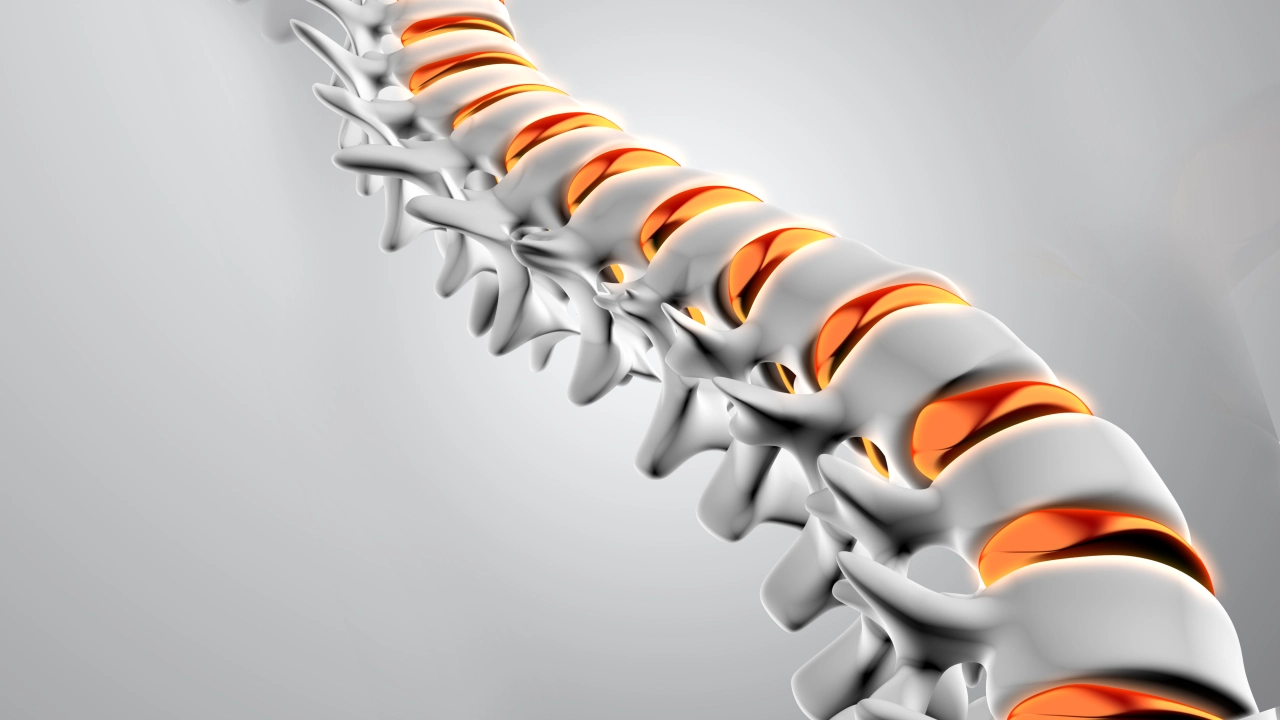
Back and neck procedures require careful progression of movements. Rehabilitation focuses on restoring spinal mobility while strengthening surrounding muscles.

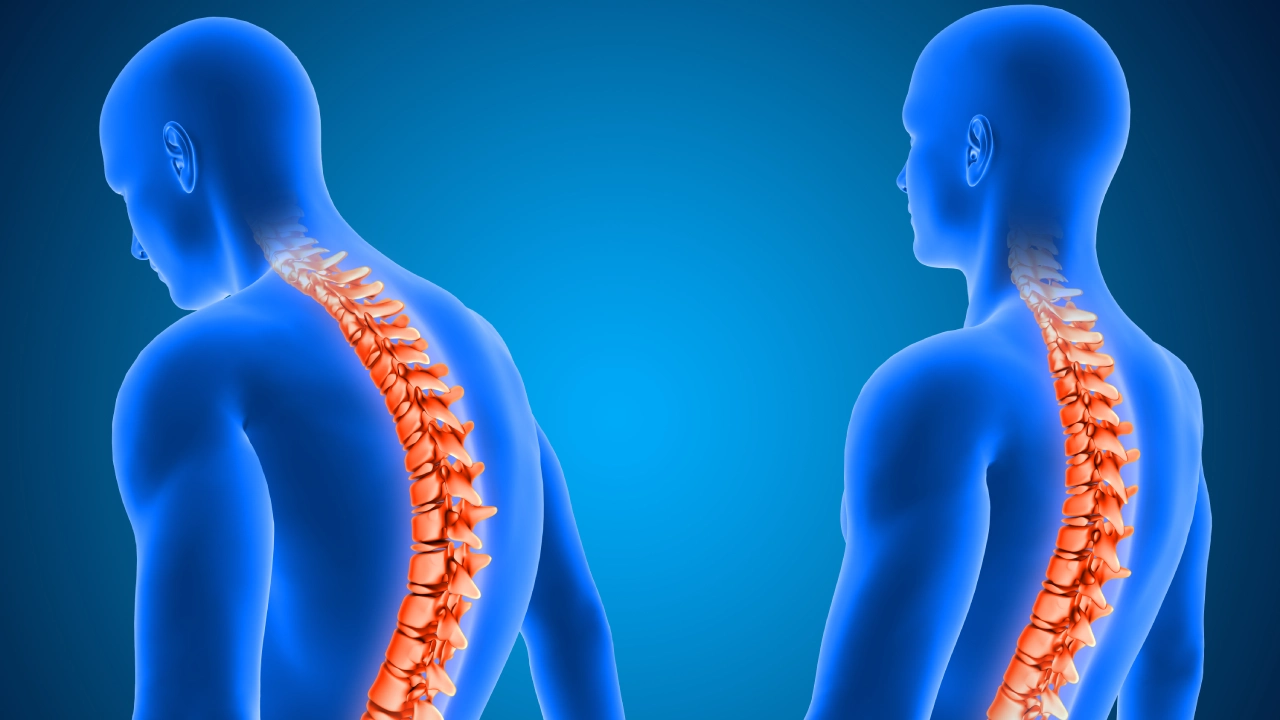
Gradual exercises in Post-Surgical Rehab help support spinal stability and improve posture.

Soft Tissue Repairs

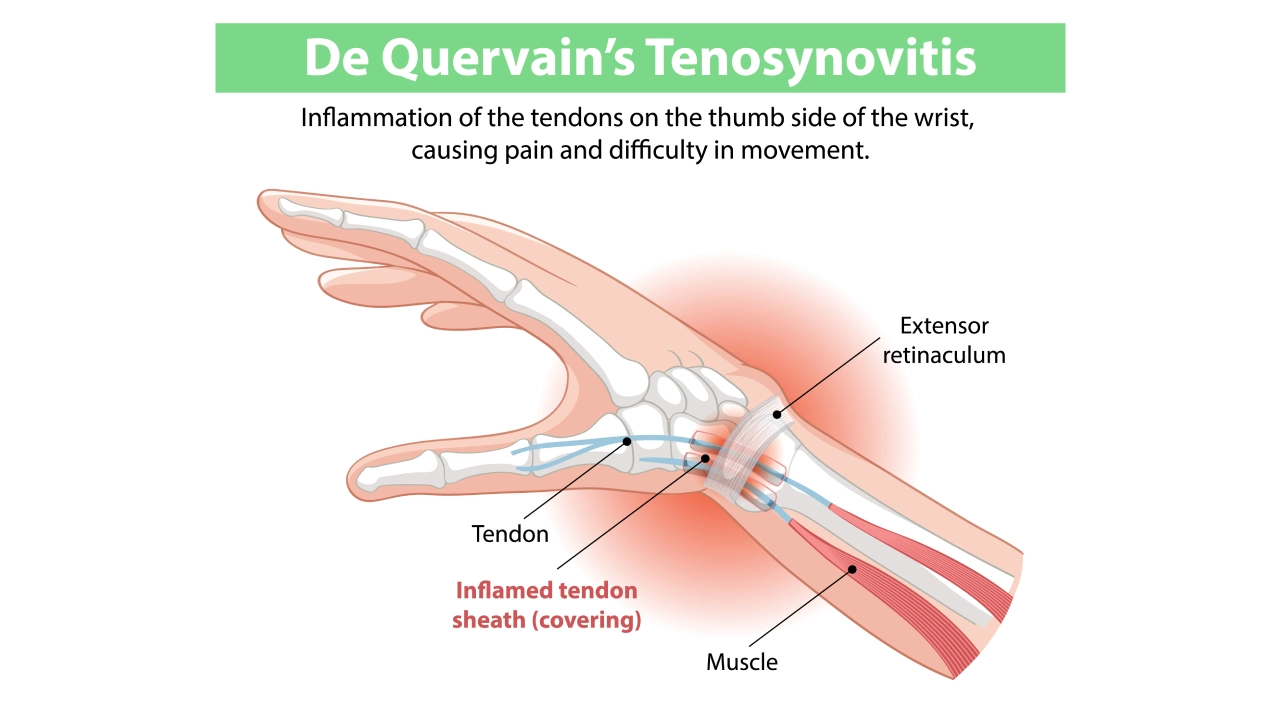
Procedures involving tendons or ligaments often require controlled loading during recovery. Early phases may focus on gentle mobility, followed by strengthening and functional movement training.

What to Expect During Post-Surgical Rehab

Rehabilitation progresses through several stages depending on the type of surgery and individual recovery timelines.

Early Recovery Phase

The initial stage of Post-Surgical Rehab focuses on protecting the surgical area while encouraging gentle movement. Activities may include:

  • Light mobility exercises
  • Controlled joint movement
  • Circulation-based activities
  • Swelling management strategies

These steps help prevent stiffness while allowing tissues to recover.

Strength and Mobility Phase

As healing progresses, rehabilitation begins to include strength-based exercises. This stage of Post-Surgical Rehab focuses on:

  • Muscle activation
  • Joint stability
  • Gradual resistance training
  • Movement coordination

The goal is to rebuild strength while maintaining proper movement patterns.

Functional Movement Phase

In later stages, exercises become more activity-focused. This may include balance work, movement drills, and controlled functional tasks.

Post-Surgical Rehab during this stage supports a safe return to daily activities such as walking, lifting, reaching, and other regular movements.

Individual Recovery Timelines

Recovery varies depending on factors such as the surgical procedure, pre-surgery mobility levels, and tissue condition.

Some individuals may progress through Post-Surgical Rehab in a few weeks, while others may require several months of structured care. Progress is carefully monitored to ensure exercises remain safe and effective at each stage.

At Prime Health Physiotherapy, progress is regularly reviewed so that movement training can be adjusted as recovery progresses.

Movement Education During Recovery

A key part of rehabilitation involves learning safe movement strategies. After surgery, individuals may change their movement patterns due to discomfort or weakness.

During Post-Surgical Rehab, physiotherapists help retrain these movement patterns. This includes:

  • Proper walking mechanics
  • Safe lifting methods
  • Joint alignment during activity
  • Controlled muscle activation

Improving movement awareness helps prevent unnecessary stress on the surgical site.

Exercises Used in Post-Surgical Rehab

Rehabilitation programs often include a combination of mobility, strengthening, and coordination exercises.

Common components may include:

Range of Motion Work

Gentle exercises help restore joint flexibility while preventing stiffness.

Strength Development

Muscle-strengthening exercises support joints and improve stability.

Balance and Coordination

These exercises help improve control during everyday movement.

Functional Activity Training

Later stages of Post-Surgical Rehab may include tasks that simulate daily activities.

Each stage builds gradually, so the body adapts safely to increasing activity levels.

Returning to Daily Activities

Resuming normal routines requires more than just healing of surgical tissues. Strength, coordination, and confidence in movement must also return.

Post-Surgical Rehab plays a key role in helping individuals transition from recovery to normal daily tasks. This includes:

  • Walking comfortably
  • Climbing stairs
  • Standing for longer periods
  • Performing household tasks
  • Participating in recreational activities

Through structured progression, rehabilitation helps individuals regain movement capability step by step.

Post-Surgical Rehab at Prime Health Physiotherapy

At Prime Health Physiotherapy, rehabilitation programs are built around movement restoration and gradual progression. Each stage of Post-Surgical Rehab focuses on protecting the surgical area while restoring joint mobility and muscle strength.

Therapists monitor progress closely and adjust exercises as mobility improves. The goal is to support safe recovery and restore confidence in movement after surgery.

If you are preparing for surgery or currently recovering from a procedure, Post-Surgical Rehab can play a vital role in restoring mobility and strength while helping you return to everyday activities safely.

Frequently Asked Question (FAQ)

The starting time for Post-Surgical Rehab depends on the type of surgery and the surgeon’s instructions. In many cases, gentle movement may begin within a few days to maintain joint mobility and circulation. Your physiotherapist will coordinate with medical guidance to determine the appropriate timing.

The duration of Post-Surgical Rehab varies depending on the surgical procedure, the body area involved, and overall physical condition. Some recovery programs may last several weeks, while others may continue for a few months as strength and mobility progress.

Post-Surgical Rehab may include range-of-motion exercises, gradual strength training, balance activities, and movement coordination drills. The exercises change over time as the body adapts and the surgical area becomes stronger.

Many orthopedic and soft tissue procedures benefit from Post-Surgical Rehab because surgery alone does not restore muscle strength or joint mobility. Rehabilitation helps rebuild movement patterns and supports a safe return to everyday tasks.

Yes. Stiffness is common after surgery due to swelling, reduced movement, and tissue healing. Post-Surgical Rehab includes mobility exercises and movement training that help improve joint motion and maintain flexibility during the recovery process.

More Conditions