Chronic Pain
Chronic Pain
Living with Chronic Pain can change the way a person moves, works, and participates in everyday routines. Discomfort that continues for months or years may influence posture, sleep, concentration, and physical activity. At Prime Health Physiotherapy, the focus is on identifying movement limitations, joint stress, and muscle imbalances linked to Chronic Pain, so individuals can move with greater confidence in daily life.
Chronic Pain may develop after an injury, surgery, repetitive strain, or prolonged physical stress. In many situations, the original injury has healed, yet discomfort continues due to altered movement patterns or reduced mobility. Physiotherapy focuses on restoring joint function, improving muscle coordination, and supporting a gradual return to regular activities.
Living With Chronic Pain and Everyday Movement
People living with Chronic Pain often notice stiffness, fatigue, and difficulty performing routine tasks. Sitting at a desk, lifting groceries, walking long distances, or climbing stairs may become difficult. Over time, many individuals reduce movement to avoid discomfort, which can create additional weakness or joint restriction.
Movement therapy plays a major role in addressing Chronic Pain. Physiotherapists assess posture, muscle control, joint mobility, and walking patterns to determine how the body is functioning. From there, structured movement programs and manual therapy methods help restore mobility and muscle balance.
Through gradual activity progression, individuals with Chronic Pain can build strength and mobility that support safer daily movement.
Common Causes Behind Chronic Pain
There are many reasons why Chronic Pain develops. While each situation is different, several conditions frequently contribute to persistent discomfort.
Previous Injuries
Sprains, fractures, muscle strains, or ligament damage may lead to lingering stiffness or weakness. When movement patterns change after injury, surrounding muscles and joints may experience increased strain. Over time, this may contribute to Chronic Pain.
Repetitive Strain
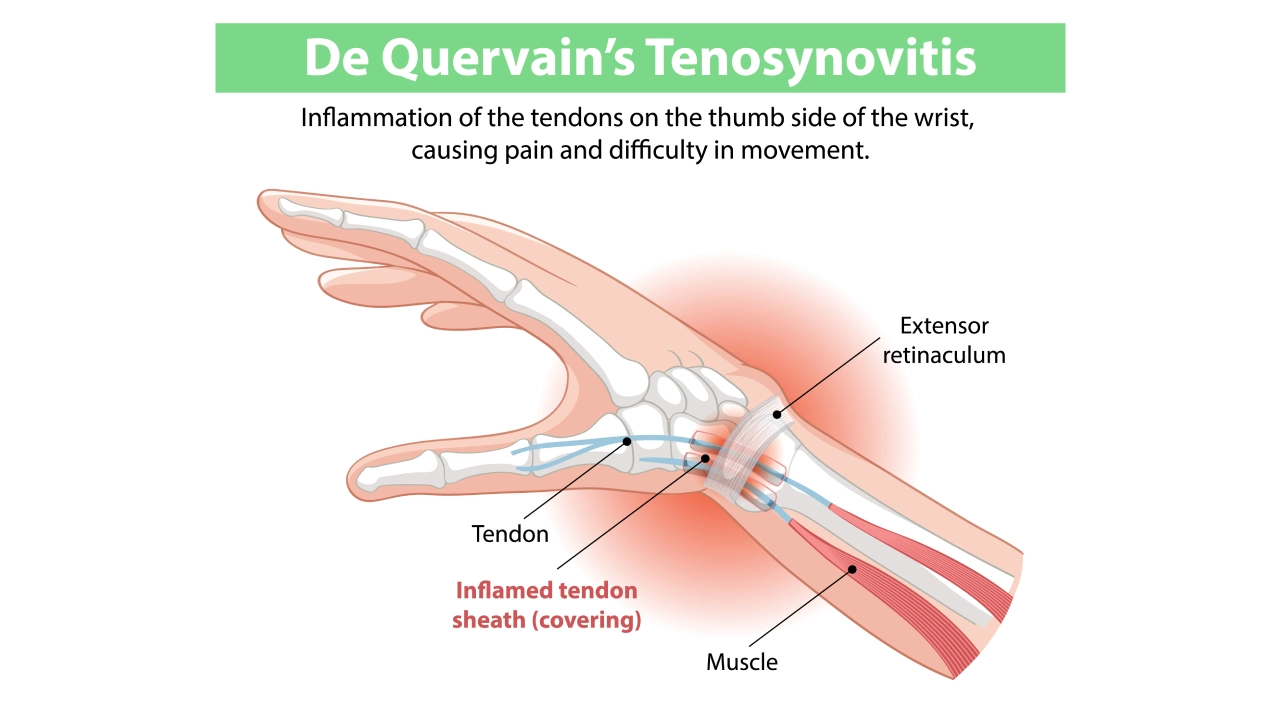
Jobs or hobbies that involve repeated movements can place continuous stress on muscles and joints. Office work, manual labour, sports activity, and prolonged standing may gradually contribute to Chronic Pain when the body does not have adequate recovery.
Joint Conditions
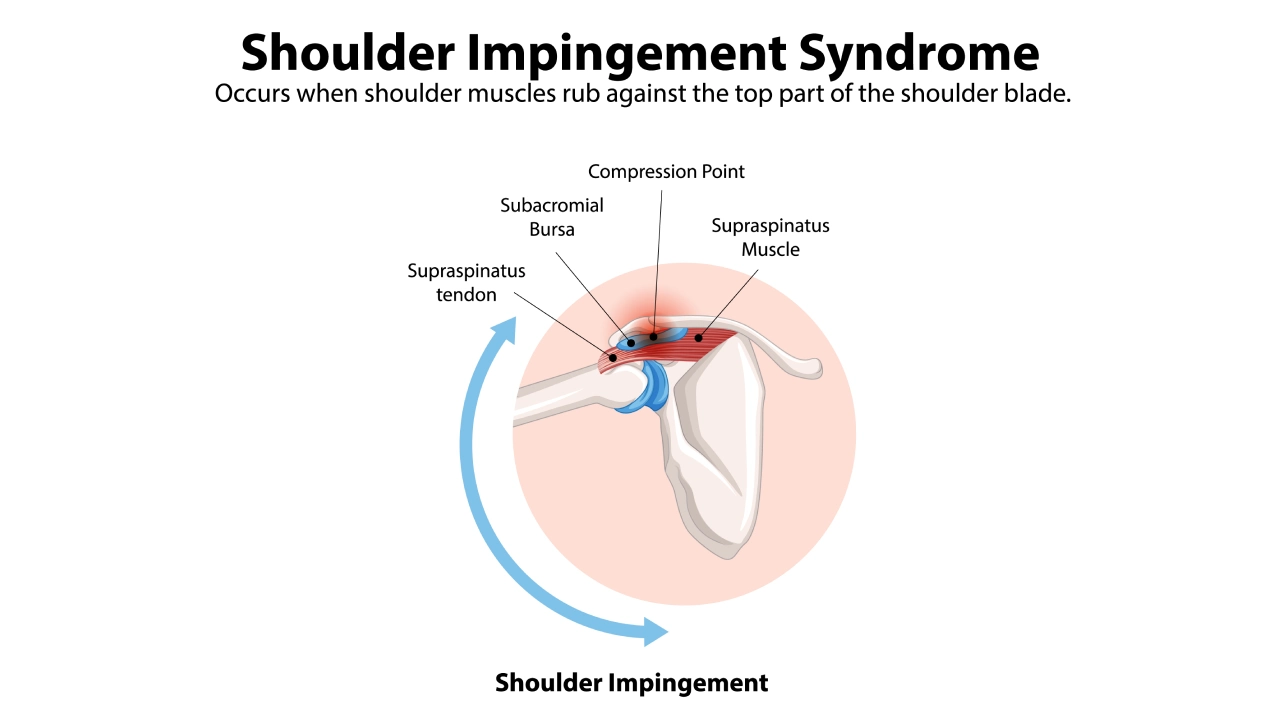
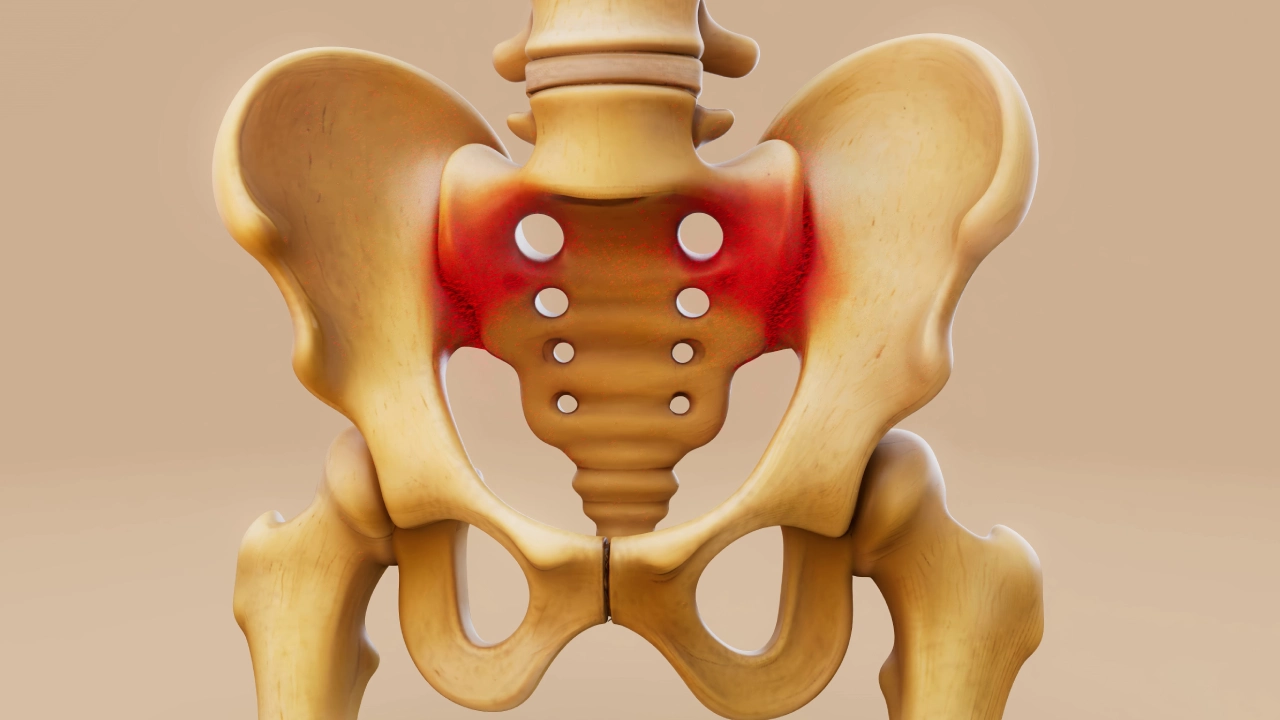
Degenerative joint changes, including osteoarthritis, can influence joint movement and stability. These changes often affect the spine, knees, hips, and shoulders, leading to ongoing discomfort linked with Chronic Pain.
Nerve Irritation
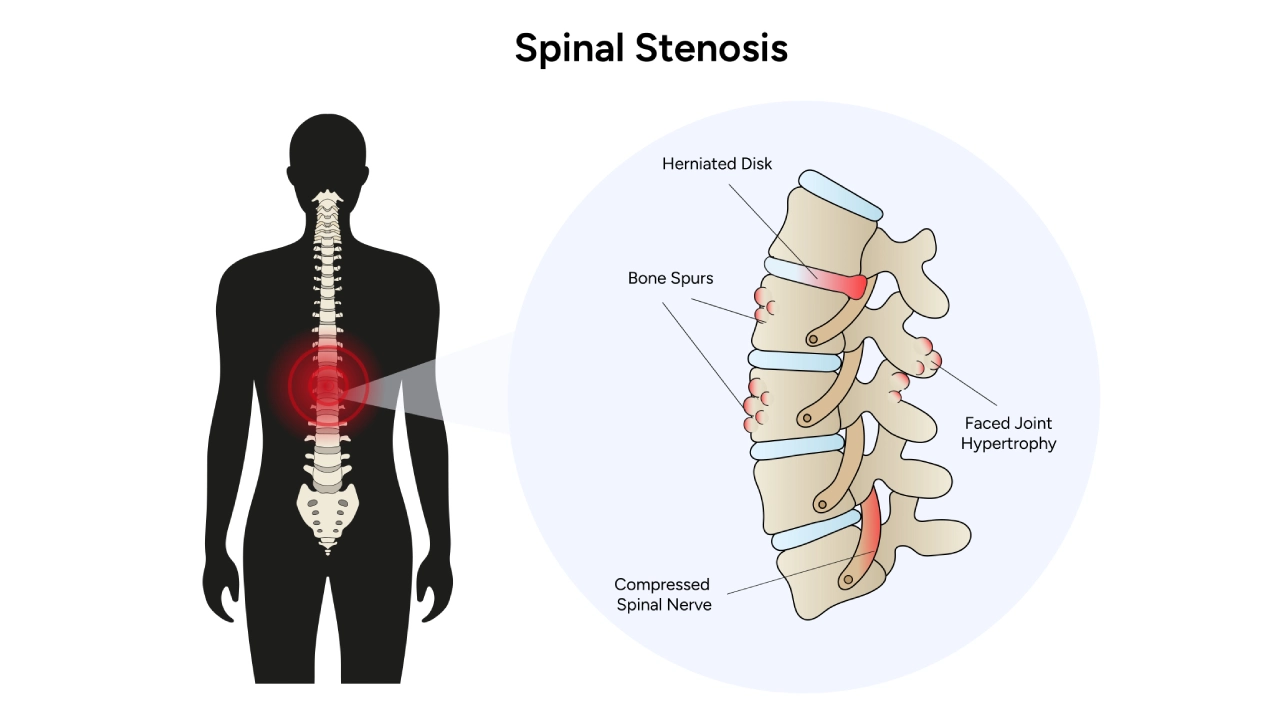
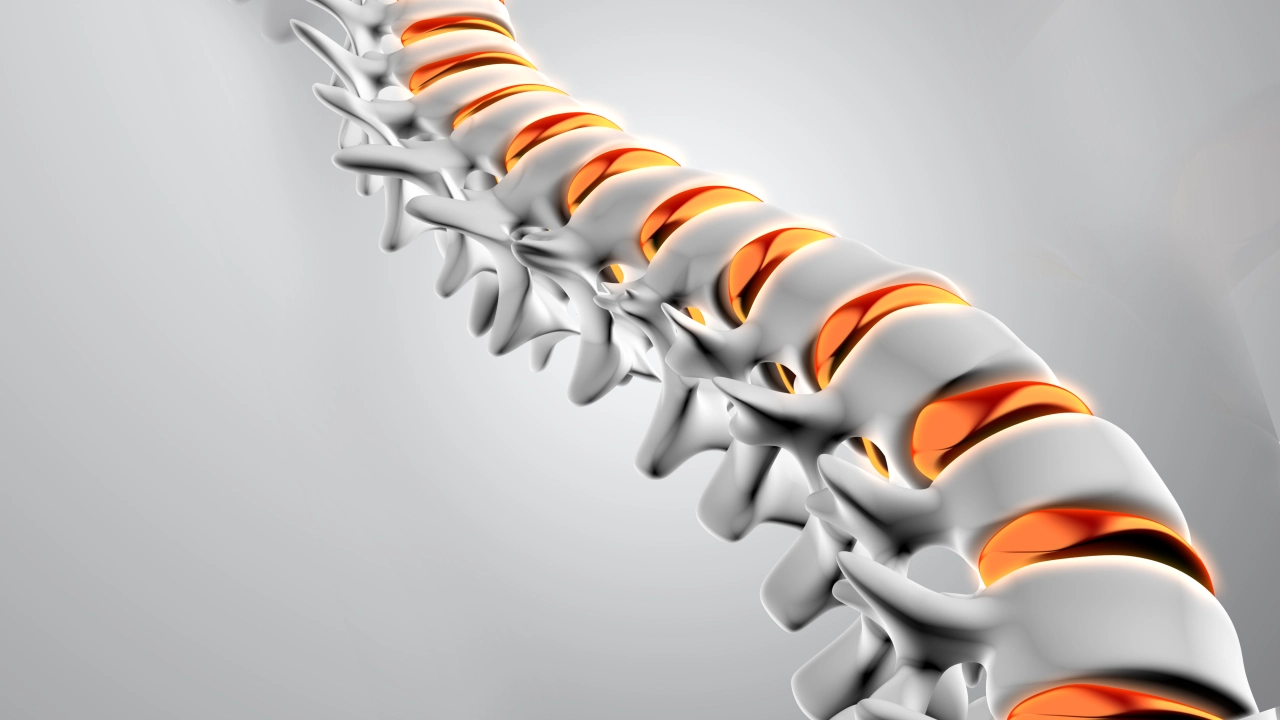
Nerves that become compressed or irritated may cause radiating symptoms such as tingling, burning, or numbness. Conditions affecting spinal discs or surrounding tissues sometimes contribute to Chronic Pain involving the neck, back, or limbs.
Signs That May Indicate Chronic Pain
While everyone feels discomfort differently, several common patterns may signal Chronic Pain:
- Persistent discomfort lasting longer than three months
- Stiffness after periods of rest
- Limited range of motion in joints
- Muscle tightness or weakness
- Difficulty completing daily tasks
- Discomfort during prolonged sitting or standing
These symptoms can affect mobility and the quality of daily routines. Early physiotherapy assessment may help identify movement limitations linked with Chronic Pain.
How Physiotherapy Supports Chronic Pain Management
Physiotherapy focuses on improving how the body moves and functions. When addressing Chronic Pain, physiotherapists examine several physical factors that may contribute to ongoing discomfort.
Movement Assessment
A physiotherapy evaluation includes reviewing posture, flexibility, joint movement, and muscle activation. Identifying restrictions allows therapists to determine which areas of the body require focused attention.
Manual Therapy
Hands-on treatment methods may help improve joint mobility and reduce muscle tightness associated with Chronic Pain. These methods may include joint mobilization, soft-tissue work, and stretching techniques that enhance movement quality.
Strength and Stability Training
Muscle weakness and imbalance often contribute to Chronic Pain. Structured strengthening exercises help stabilize joints and support proper alignment during movement. Gradual progression ensures that the body adapts safely to increased activity.
Movement Retraining
Sometimes discomfort continues because the body has adapted to protective movement habits after injury. Physiotherapy addresses these patterns through corrective exercises and posture training.
Conditions Commonly Linked With Chronic Pain
Many physical conditions may contribute to ongoing discomfort. Physiotherapy frequently supports individuals dealing with:
- Persistent back or neck discomfort
- Joint degeneration in the hips or knees
- Shoulder mobility issues
- Repetitive strain conditions
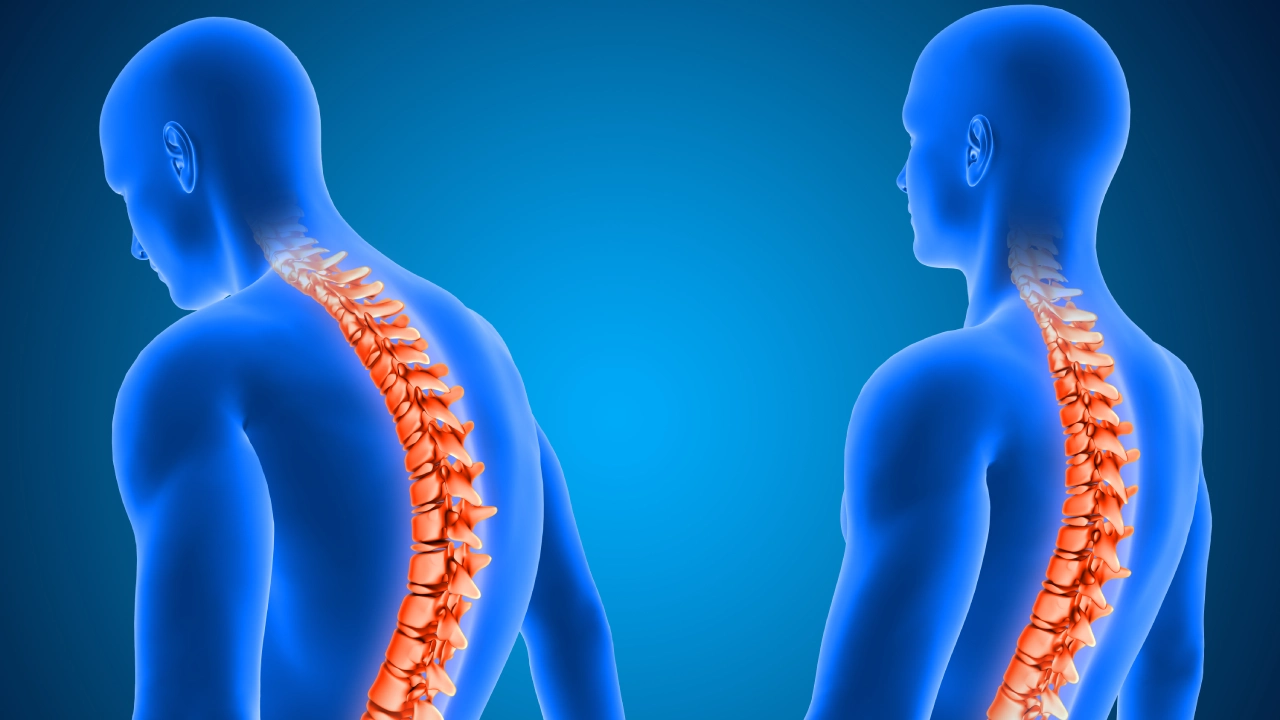
- Muscle imbalance from prolonged sitting
- Post-injury stiffness or weakness
These conditions may influence daily movement and contribute to Chronic Pain when left unaddressed.
Daily Habits That Influence Chronic Pain
Small lifestyle habits can affect how the body handles physical stress. People managing Chronic Pain may benefit from reviewing everyday routines such as:
Posture During Work
Extended sitting or standing can strain joints. Adjusting workstation height, chair support, and screen position may help reduce unnecessary stress on the spine and shoulders.
Activity Balance
Alternating between movement and rest allows muscles and joints to recover during the day. Short movement breaks during work or study can assist circulation and flexibility.
Gradual Activity Progression
Returning to exercise or physical activity should be gradual, especially when Chronic Pain has been present for a long time. Physiotherapists often recommend progressive strengthening and mobility routines that match a person’s physical condition.
When to Seek Physiotherapy for Chronic Pain
It may be helpful to consult a physiotherapist when experiencing discomfort:
- Persists longer than several weeks
- Limits movement or work tasks
- Returns repeatedly after activity
- Interferes with sleep or daily routines
A physiotherapy assessment helps identify the physical contributors to Chronic Pain and determines which movement strategies may assist in restoring joint and muscle function.
Physiotherapy for Chronic Pain at Prime Health Physiotherapy
At Prime Health Physiotherapy, physiotherapists evaluate how joints, muscles, and movement patterns interact in the body. By identifying the underlying mechanical factors related to Chronic Pain, physiotherapy programs focus on restoring mobility, improving muscle coordination, and supporting a gradual return to normal activities.
The clinic works with individuals experiencing discomfort from injuries, repetitive strain, and joint conditions. Structured movement programs, mobility training, and hands-on therapy approaches help individuals rebuild movement capacity and manage the physical challenges associated with Chronic Pain.
If persistent discomfort is limiting your daily activities, physiotherapy may play an important role in restoring comfortable movement and improving physical function.
Frequently Asked Question (FAQ)
Chronic Pain refers to discomfort that persists for more than 3 months or persists even after the initial injury has healed. It may affect muscles, joints, or nerves and can influence daily movement, sleep, and routine activities.
Several factors may lead to Chronic Pain, including previous injuries, repetitive strain, joint degeneration, nerve irritation, or long-term muscle imbalance. In some situations, altered movement patterns may also contribute to ongoing discomfort.
Physiotherapy focuses on restoring movement and addressing physical factors linked with Chronic Pain. Treatment may include mobility work, strengthening exercises, posture correction, and hands-on techniques that assist joint and muscle function.
The time required to address Chronic Pain varies from person to person. Recovery often depends on the cause of the condition, overall physical health, and consistency with recommended exercises and activity changes.
It may be helpful to visit a physiotherapist when Chronic Pain lasts for several weeks, interferes with work or daily activities, or continues returning after physical activity. Early assessment can identify movement restrictions that contribute to ongoing discomfort.