Pre-Surgical Physical Therapy
Facing an upcoming operation often brings many questions about mobility, strength, and daily activity afterward. Preparing the body before surgery can play an important role in how someone moves during the weeks that follow. Pre-Surgical Physical Therapy focuses on improving stability, joint mobility, and muscle function before a medical procedure.
At Prime Health Physiotherapy, this preparation stage focuses on movement patterns, muscle conditioning, and education so that individuals approach surgery with a body ready for the physical demands ahead. Many orthopedic procedures involving the knees, hips, shoulders, and spine can benefit from preparation that strengthens the surrounding tissues before the surgical date.
Through targeted movement sessions and structured activity planning, Pre-Surgical Physical Therapy helps individuals become familiar with exercises and strategies that may also be used again after surgery.
Why Pre-Surgical Physical Therapy Matters Before an Operation
Many people wait until after surgery to think about physical rehabilitation. However, preparing beforehand can make the transition into post-operative movement easier. Pre-Surgical Physical Therapy focuses on strengthening the muscles around the joint or surgical region.
This preparation may include:
- Strength training for the surrounding muscle groups
- Joint mobility exercises
- Balance and coordination drills
- Movement education for daily activities
By completing Pre-Surgical Physical Therapy before surgery, individuals can learn proper movement patterns and understand which exercises are likely to recur during recovery.
Another key element is building familiarity with safe movement habits. Learning how to stand, sit, or climb stairs after surgery can reduce confusion during the first days following the procedure.
Conditions That May Benefit from Pre-Surgical Physical Therapy
Knee Procedures
Knee surgeries such as ligament reconstruction or joint replacement often require strong muscles around the thigh and hip. Pre-Surgical Physical Therapy may focus on quadriceps activation, hip stability, and knee mobility before the procedure.
Hip Surgery
Hip replacements or labral repairs can place new demands on the surrounding muscles. With Pre-Surgical Physical Therapy, exercises may target glute strength, walking mechanics, and joint mobility to prepare the body beforehand.
Shoulder Surgery
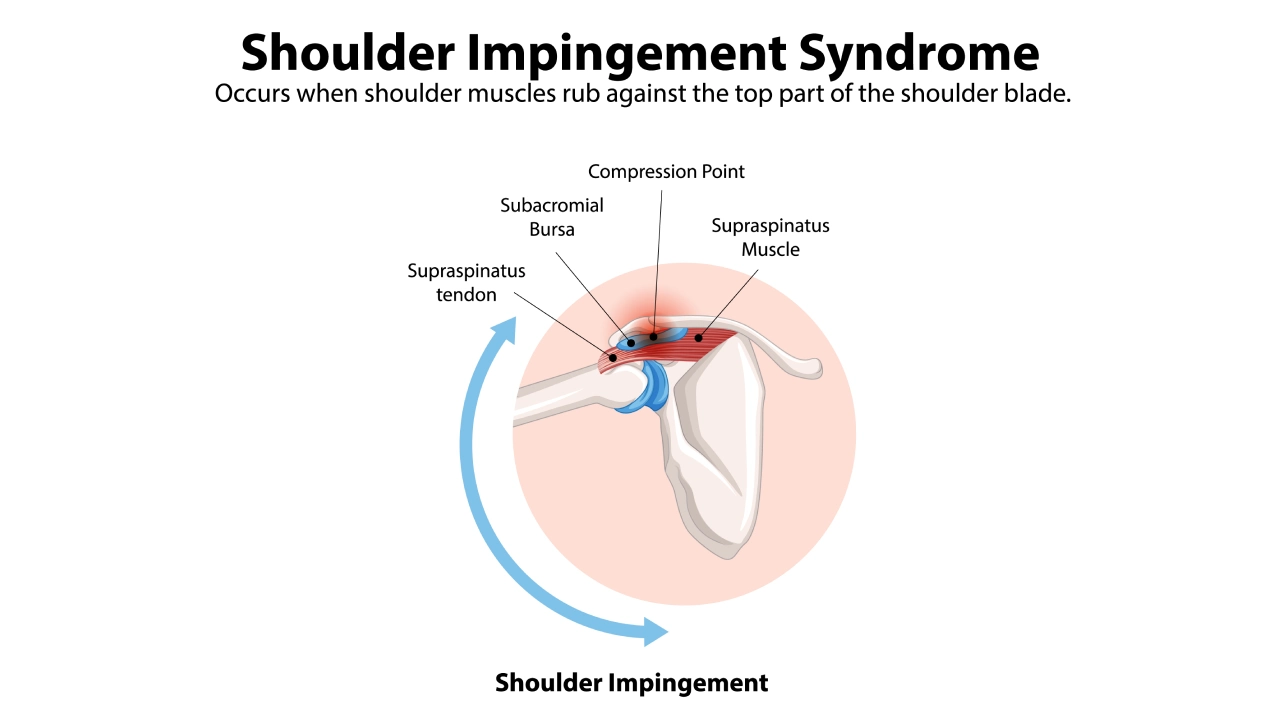
Rotator cuff procedures or shoulder stabilizations require coordination between the shoulder blade muscles and the upper arm. Pre-Surgical Physical Therapy may involve controlled arm movements, posture work, and shoulder blade activation.
Spine Surgery
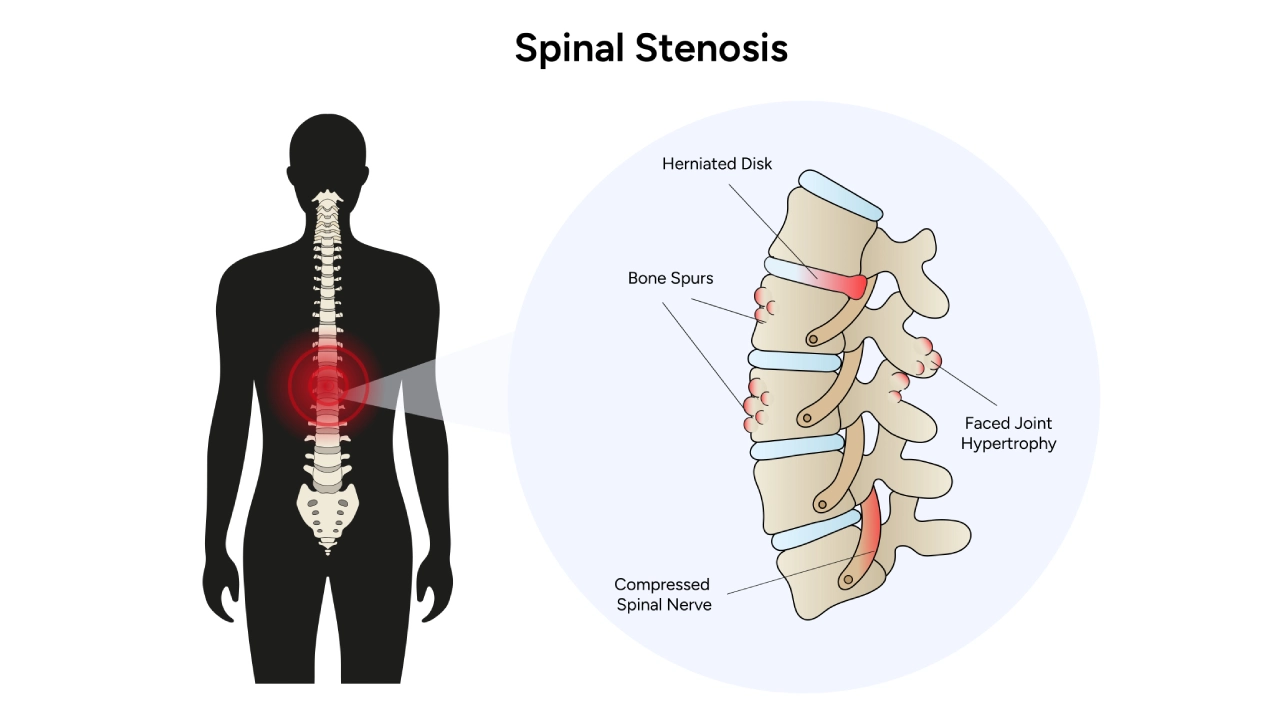
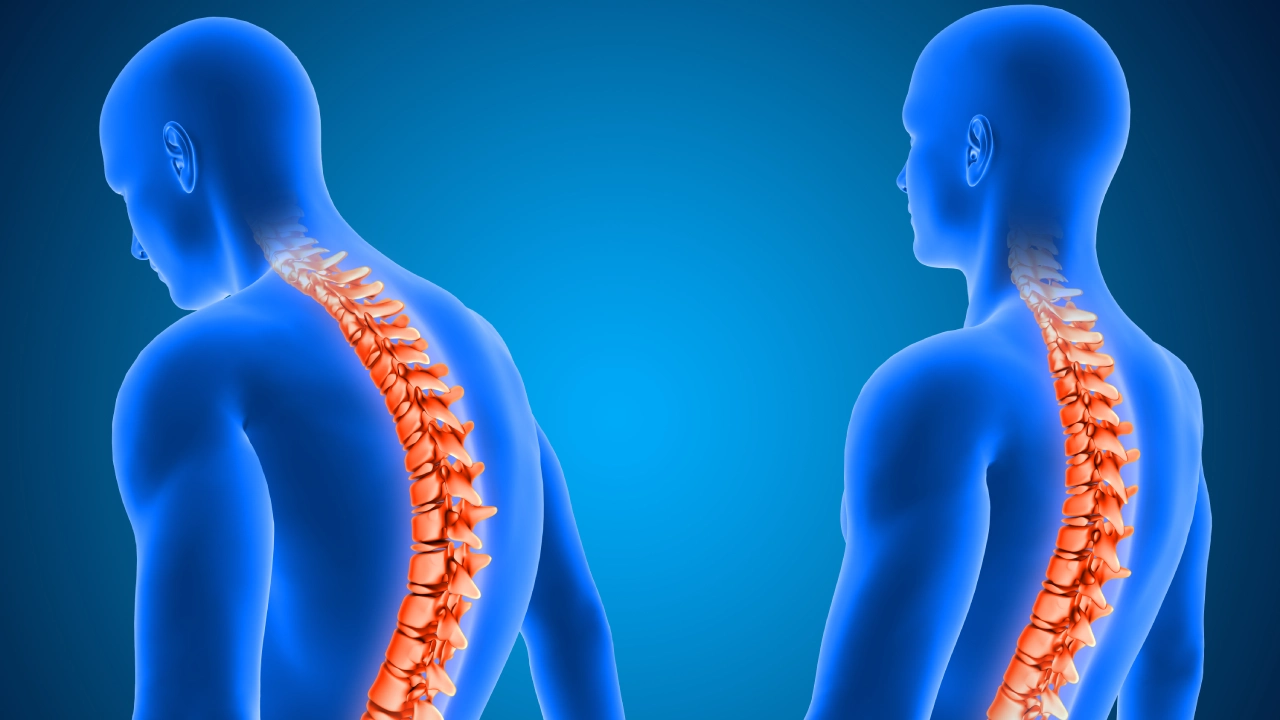
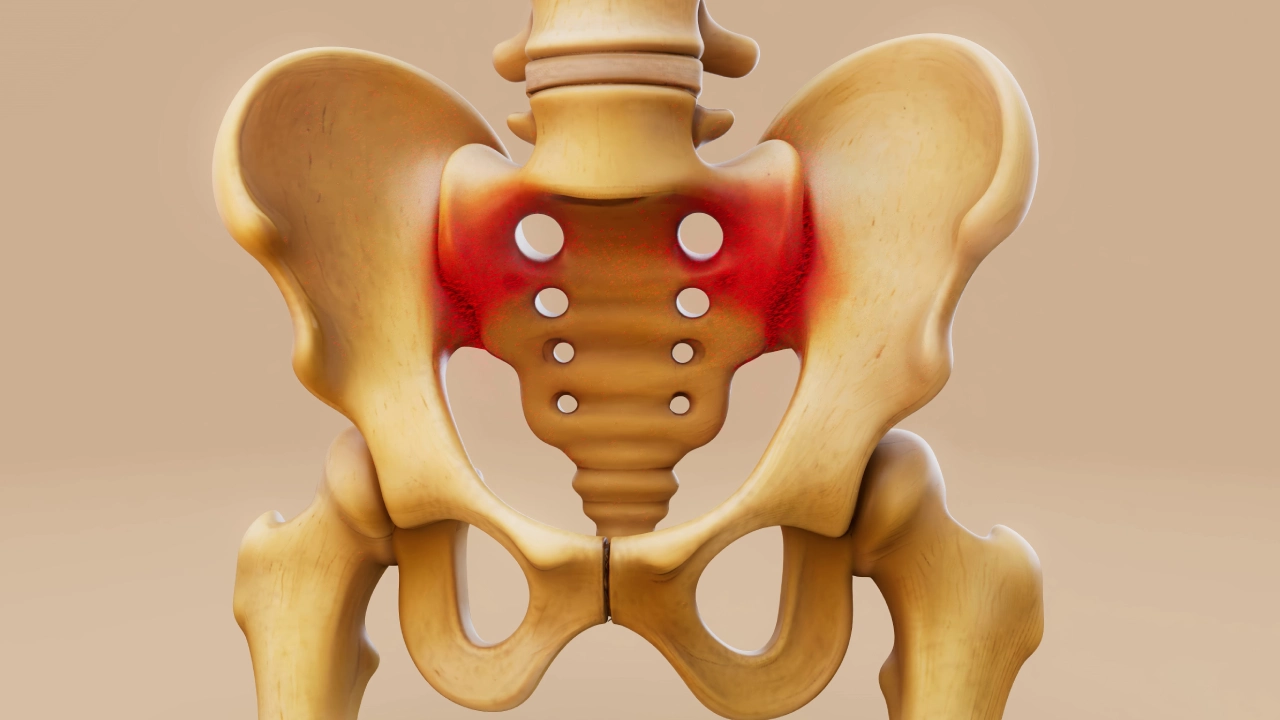
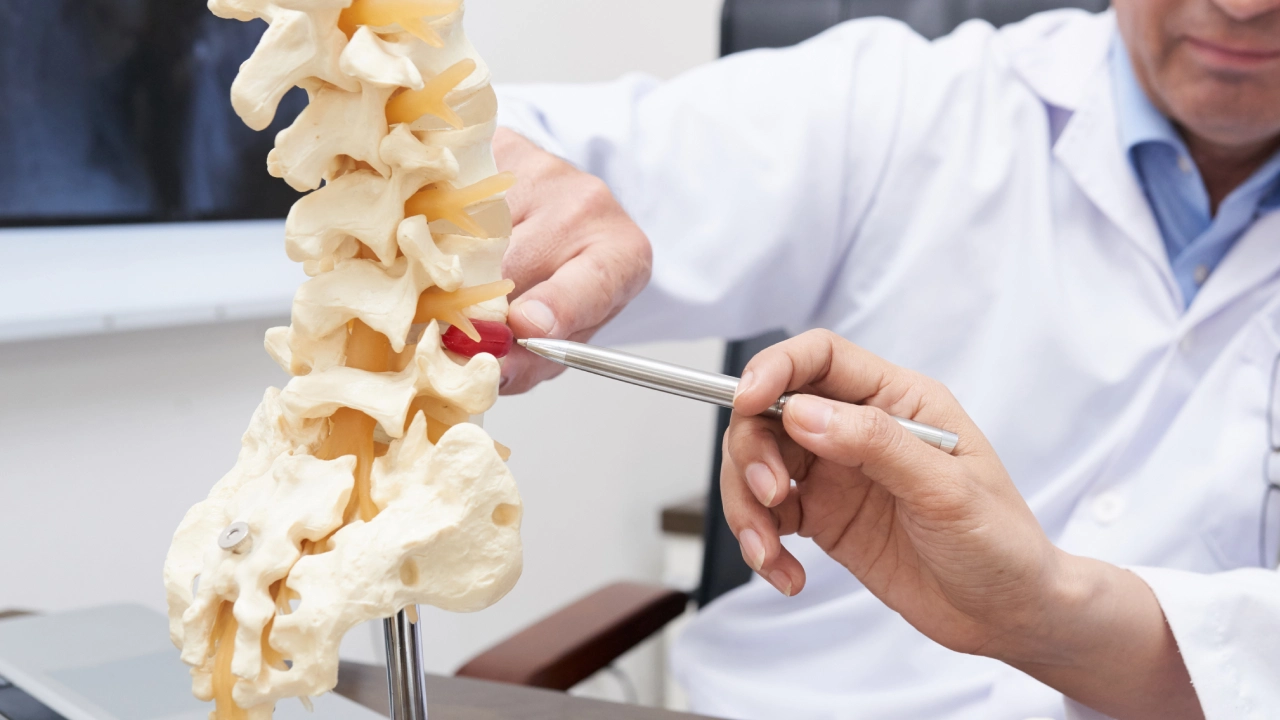
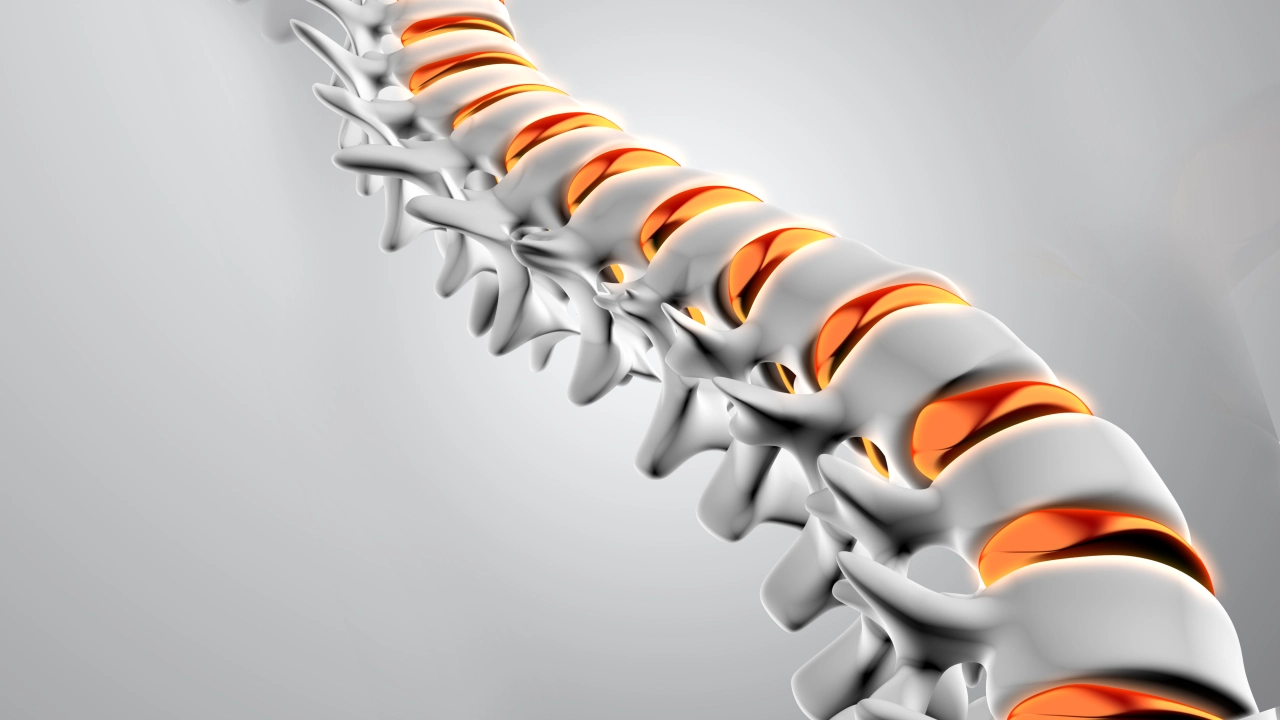
Operations involving the neck or lower back may benefit from strengthening the core and surrounding muscles. Through Pre-Surgical Physical Therapy, individuals may work on trunk stability, posture, and controlled movement patterns.
What Happens During Pre-Surgical Physical Therapy
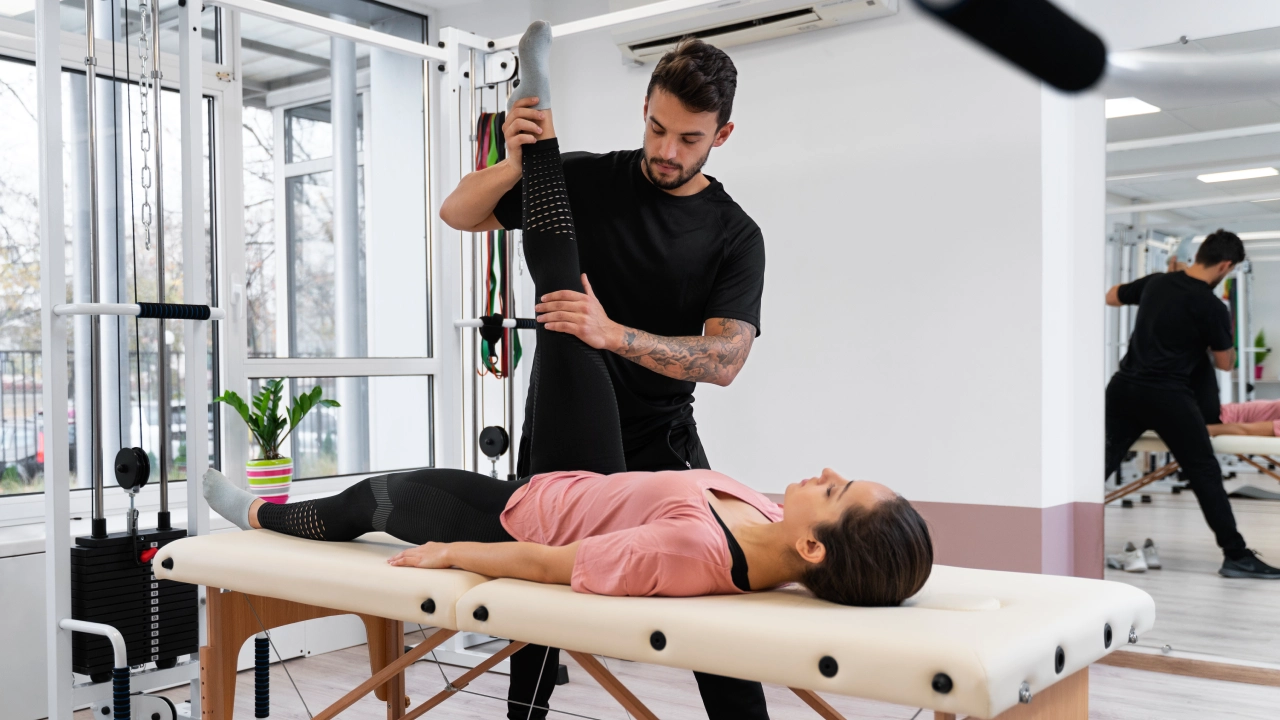
The first visit at Prime Health Physiotherapy begins with a movement assessment. The physiotherapist evaluates joint mobility, muscle strength, posture, and functional movement patterns.
Based on these findings, a structured plan for Pre-Surgical Physical Therapy is created. Sessions often include a combination of strengthening work, mobility exercises, and instruction for movements used in everyday life.
A session may involve:
- Muscle activation drills
- Range-of-motion movements
- Functional training, such as standing, walking, or step movements
- Education about post-surgery mobility expectations
The aim of Pre-Surgical Physical Therapy is to help individuals approach surgery with improved physical preparation and confidence in their movement.
Movement Education Before Surgery
Education is an important part of Pre-Surgical Physical Therapy. Many individuals feel uncertain about how their body will move after surgery. Learning movement strategies in advance helps remove that uncertainty.
Examples of topics discussed may include:
- Safe ways to get in and out of bed
- Walking techniques after surgery
- How to use assistive devices such as crutches or walkers
- Stair navigation strategies
By reviewing these steps during Pre-Surgical Physical Therapy, individuals often feel more prepared for the first days after their procedure.
Strength and Mobility Preparation
Muscle strength and joint mobility can influence how the body recovers from surgery. During Pre-Surgical Physical Therapy, strengthening exercises often target muscles that support the surgical area.
For example:
- Hip strengthening before knee surgery
- Core stabilization before spine surgery
- Shoulder blade activation before shoulder surgery
Mobility exercises are also included. These movements maintain joint range and reduce stiffness leading up to the procedure.
Through consistent Pre-Surgical Physical Therapy sessions, individuals can approach surgery with stronger muscles and improved movement control.
Mental Preparation Through Pre-Surgical Physical Therapy
Preparing physically is only part of the process. Surgery can also bring emotional stress or uncertainty. Pre-Surgical Physical Therapy sessions create a space where individuals can ask questions and learn what to expect during recovery.
Knowing which exercises will appear later in rehabilitation can be reassuring. By practising movements before surgery, individuals become familiar with them and can perform them more comfortably afterward.
At Prime Health Physiotherapy, Pre-Surgical Physical Therapy is structured to support both physical readiness and movement confidence.
Continuing Care After Surgery
Many people who complete Pre-Surgical Physical Therapy return for post-operative rehabilitation once their surgeon clears them for movement. Because the exercises and movement patterns were introduced earlier, the transition into post-surgery sessions can feel smoother.
Returning to familiar movements allows individuals to progress gradually while respecting surgical precautions.
This continuity is one reason Pre-Surgical Physical Therapy is widely recommended before many orthopedic procedures.
Start Pre-Surgical Physical Therapy at Prime Health Physiotherapy
Preparing for surgery can make a meaningful difference in mobility, strength, and confidence during recovery. At Prime Health Physiotherapy, Pre-Surgical Physical Therapy focuses on structured movement sessions that prepare the body for upcoming procedures.
From joint strengthening to movement education, this preparation stage helps individuals approach surgery with a clear understanding of how their body will move before and after the procedure.
If you have an upcoming orthopedic operation planned, scheduling Pre-Surgical Physical Therapy can be a proactive step toward smoother post-operative rehabilitation and improved movement readiness.
Frequently Asked Question (FAQ)
Pre-Surgical Physical Therapy is a program completed before an operation that focuses on strengthening muscles, improving joint mobility, and preparing the body for the physical demands that follow surgery. It also introduces exercises and movement strategies often used again after the procedure.
Individuals scheduled for orthopedic procedures involving the knee, hip, shoulder, or spine often participate in Pre-Surgical Physical Therapy. It can be helpful for anyone preparing for surgery where strength, mobility, and movement control are important for recovery.
Many people begin Pre-Surgical Physical Therapy several weeks before their surgery date. The exact timing may depend on the procedure and the individual's current physical condition. Even a few sessions can help prepare the body and introduce useful exercises.
Sessions may include strengthening exercises, joint mobility work, and movement training for everyday activities such as standing, walking, and stair use. Pre-Surgical Physical Therapy may also include guidance about movements that may be used during the post-operative stage.
Many individuals return for post-operative rehabilitation after completing Pre-Surgical Physical Therapy. Because exercises and movement techniques were introduced beforehand, continuing with rehabilitation after surgery can feel more familiar and easier to follow.