Motor Vehicle Accident Injuries
A road collision can change how the body moves and functions in daily life. Even a minor crash can lead to stiffness, soreness, and limited mobility that may appear hours or even days later. Many people initially feel fine due to adrenaline, but symptoms often develop gradually. Addressing Motor Vehicle Accident Injuries early can play a major role in supporting recovery and maintaining healthy movement patterns.
At Prime Health Physiotherapy, individuals with Motor Vehicle Accident Injuries receive focused physical care aimed at restoring mobility, improving joint function, and helping the body return to everyday activities. Through movement-based assessment and structured rehabilitation methods, the goal is to help the body recover from the physical stress caused by an accident.
Common Motor Vehicle Accident Injuries
Collisions can affect many parts of the body. Sudden impact, rapid deceleration, and awkward body positioning during a crash can strain muscles, ligaments, and joints. Motor Vehicle Accident Injuries may range from mild soft-tissue strain to more complex musculoskeletal conditions.
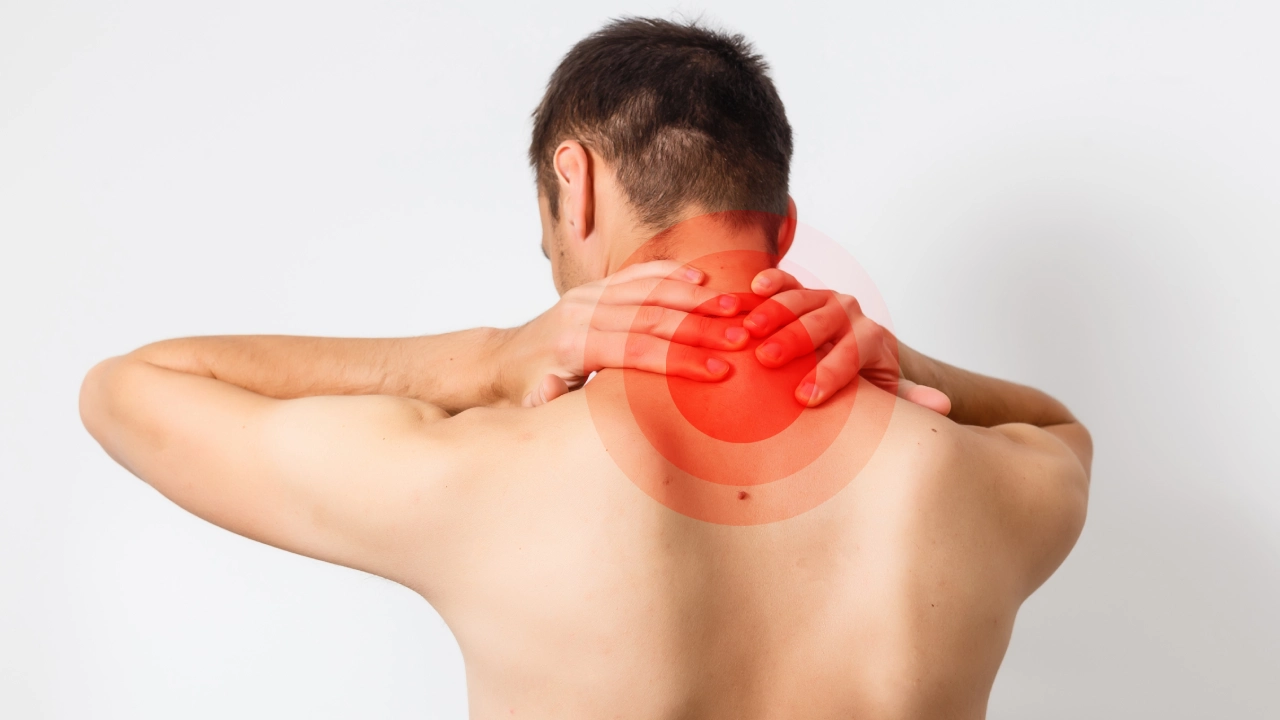
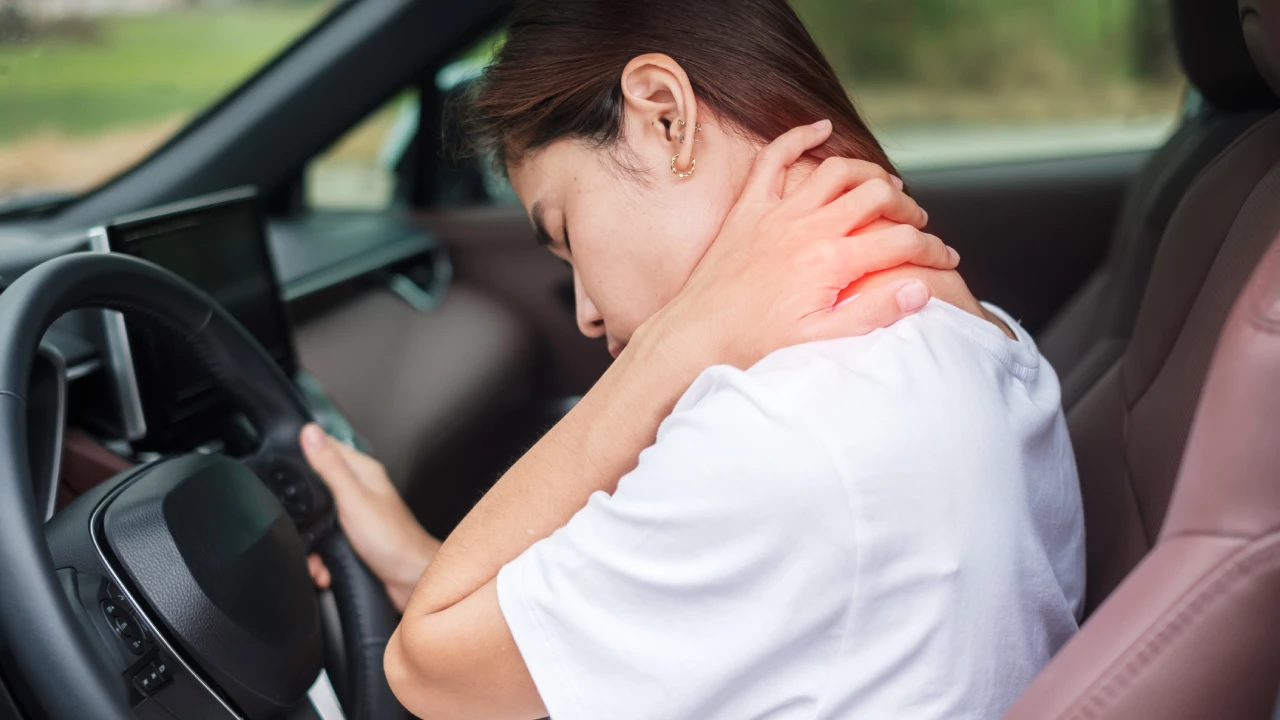
Whiplash and Neck Strain
Whiplash occurs when the head is forced forward and backward rapidly during impact. This motion may irritate the muscles, ligaments, and joints of the neck. Individuals with this type of Motor Vehicle Accident Injuries may notice neck stiffness, headaches, limited motion, or discomfort around the shoulders.
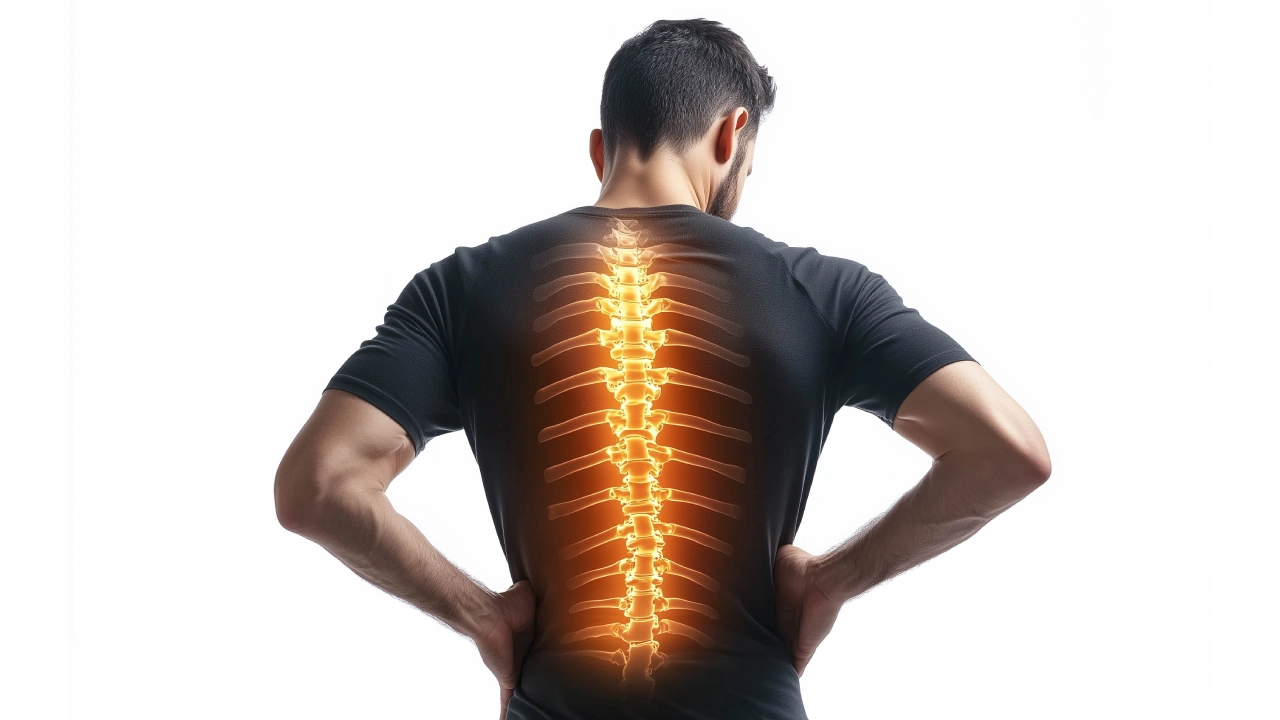
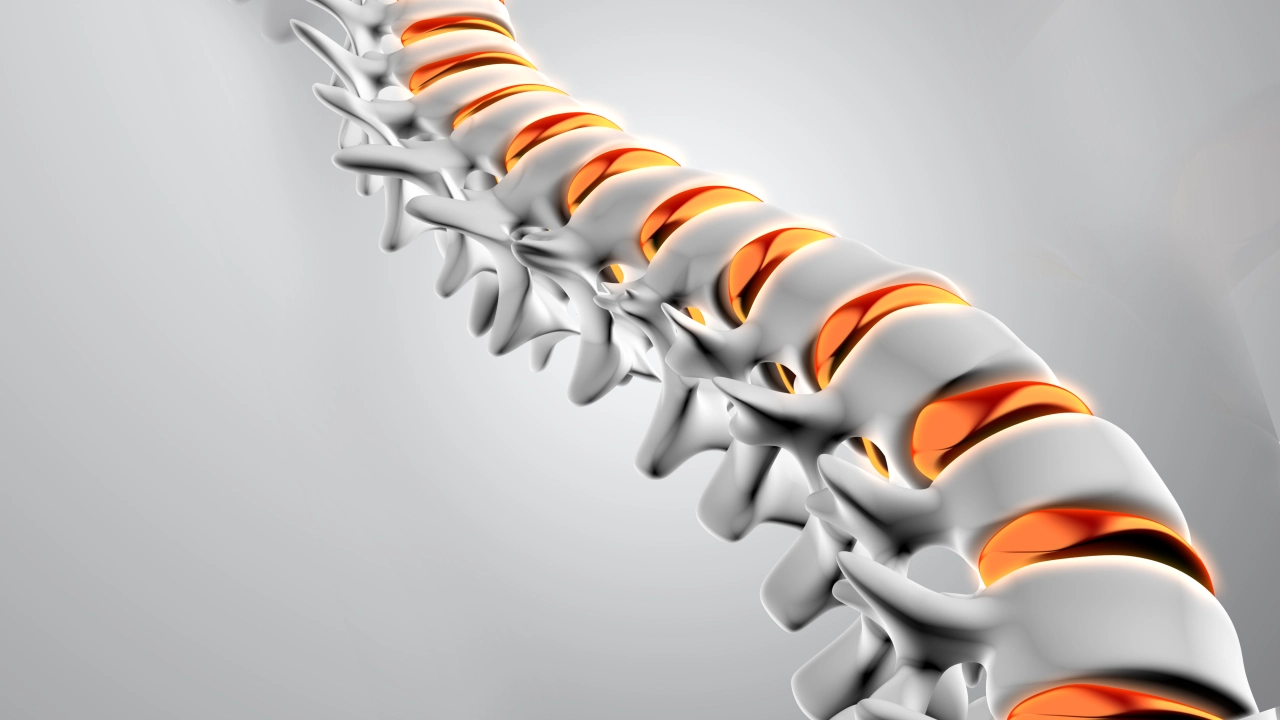
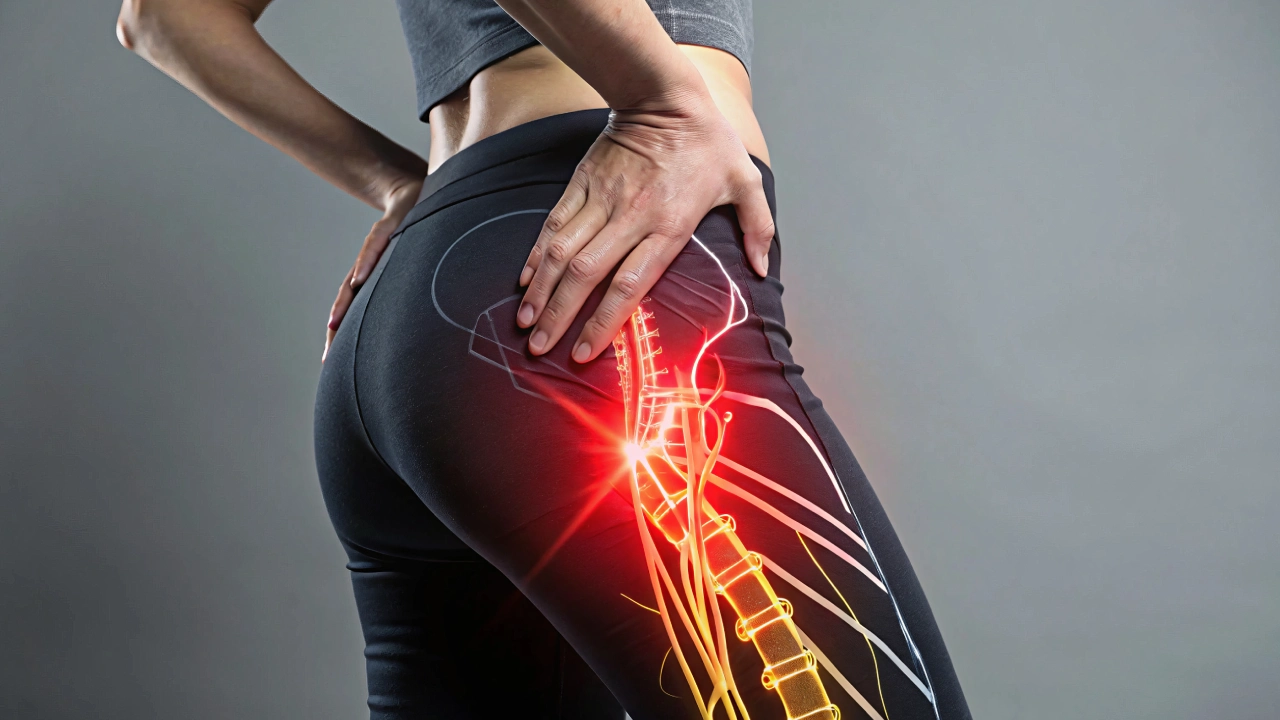
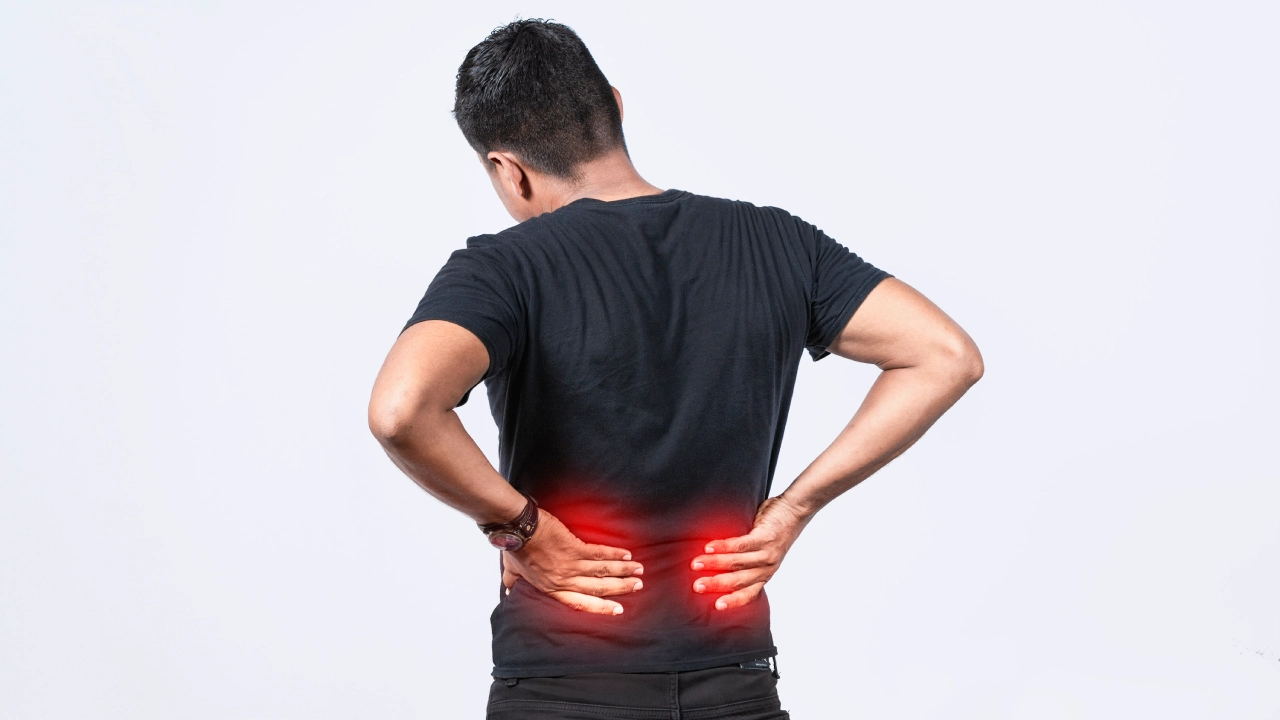
Back and Spine Conditions
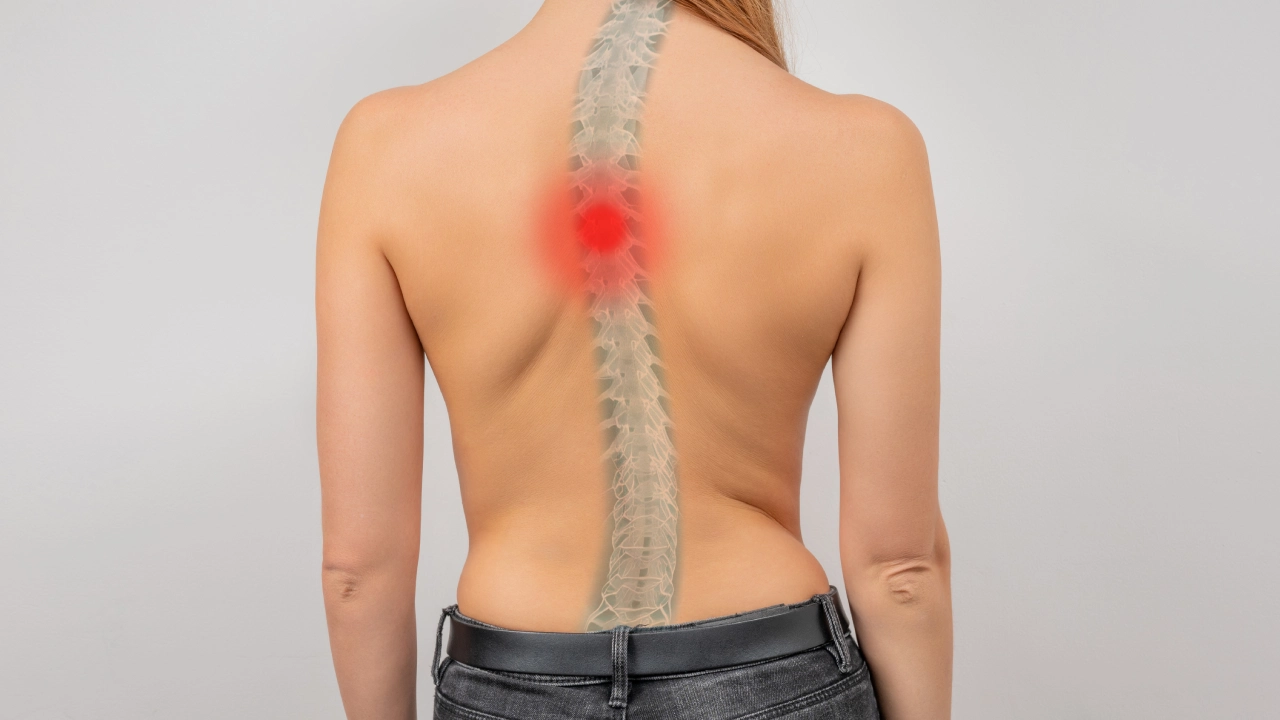
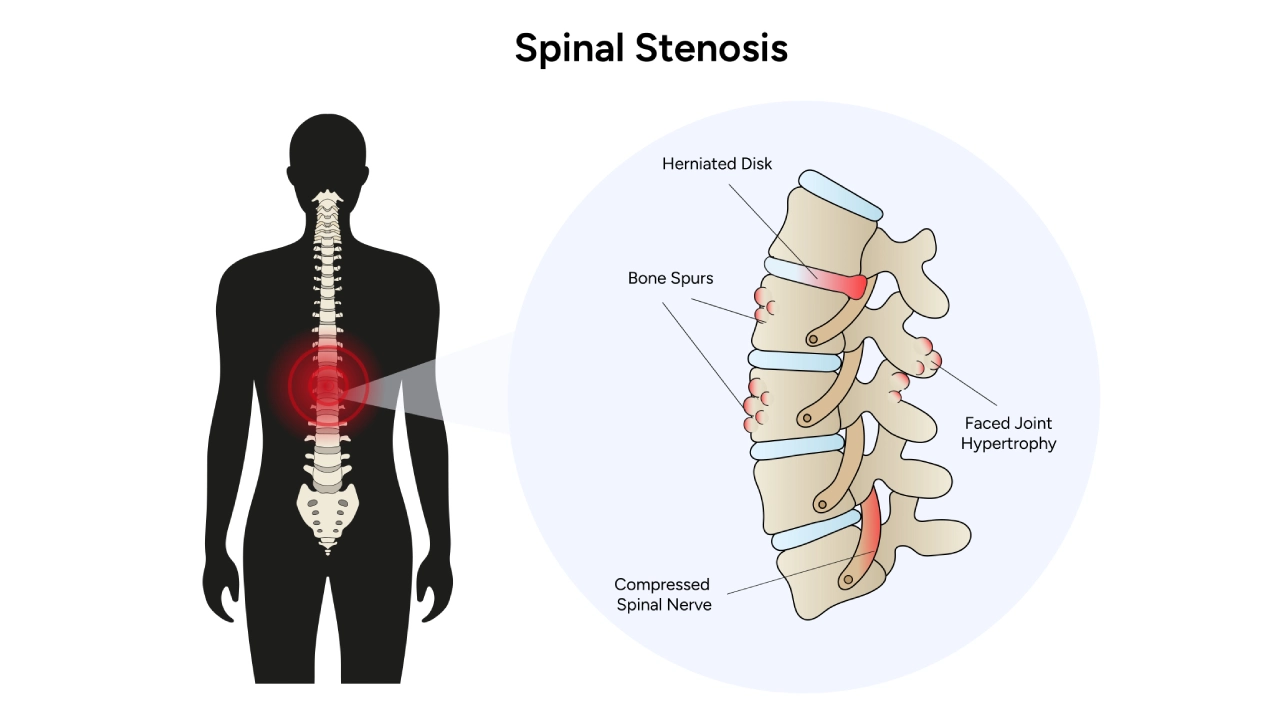
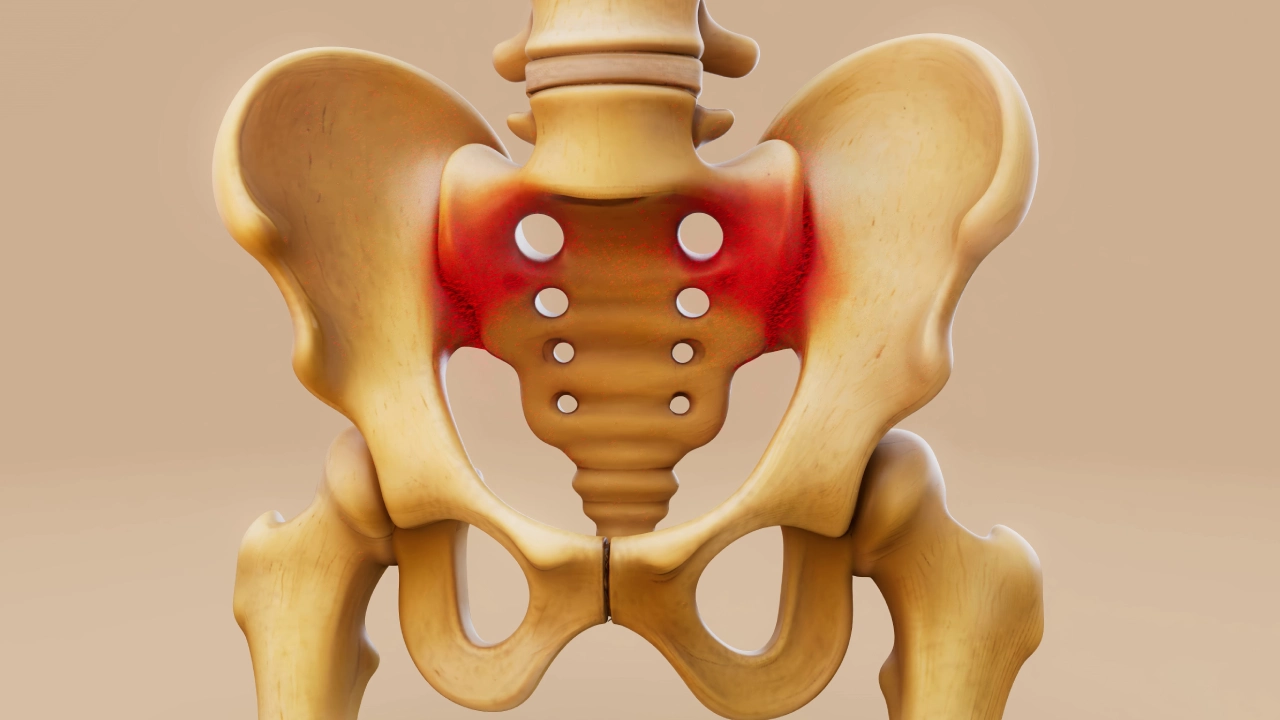
The spine absorbs significant force during a collision. This can result in mid-back or lower-back discomfort, muscle tension, or joint irritation. Many cases of Motor Vehicle Accident Injuries involve spinal strain that interferes with sitting, standing, or bending movements.
Shoulder and Arm Issues
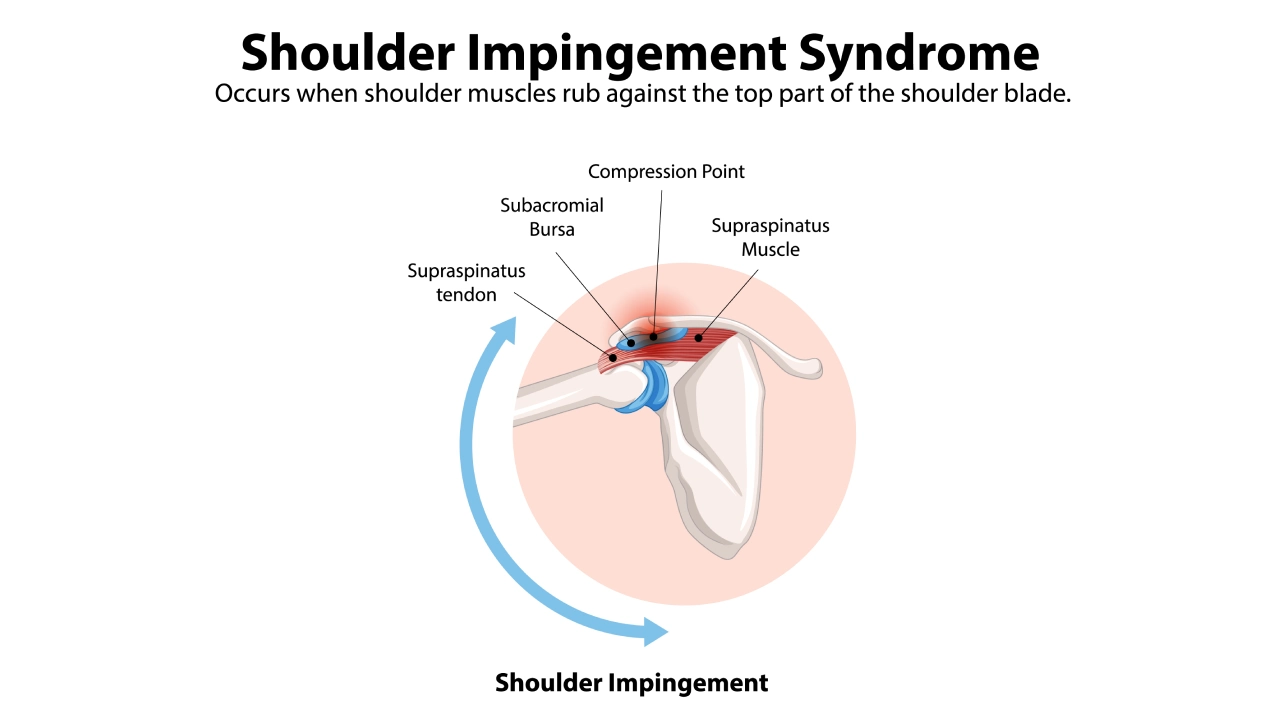
During a crash, drivers and passengers often brace themselves against the steering wheel or dashboard. This can lead to shoulder strain or restricted arm movement. Certain Motor Vehicle Accident Injuries may also involve irritation around the collarbone, upper arm, or shoulder blade.
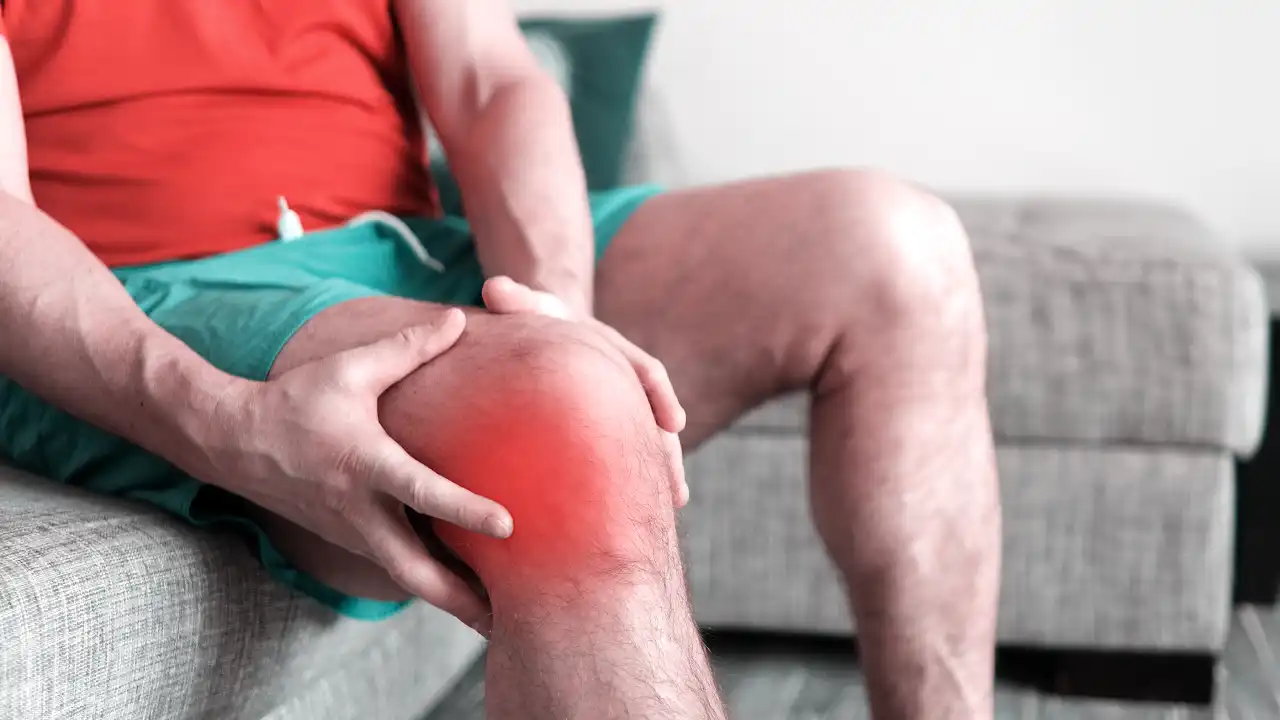
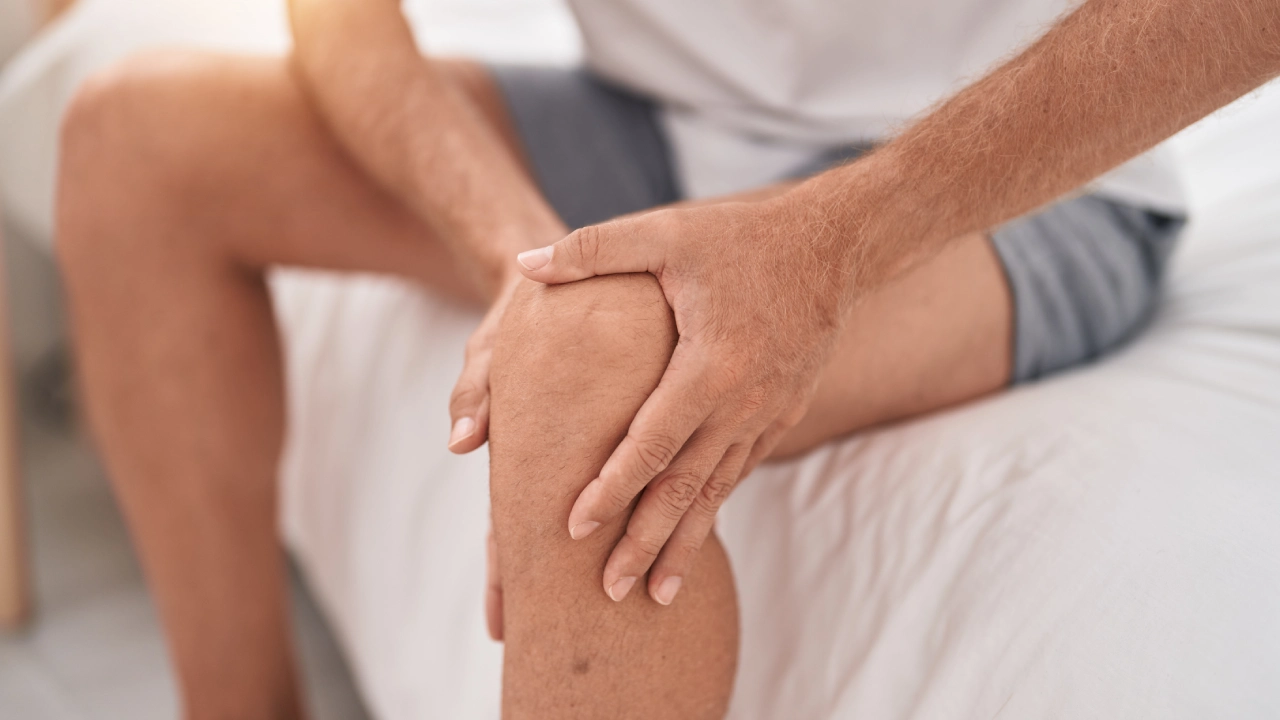
Knee and Leg Injuries
Impact from the dashboard or sudden braking can place pressure on the knees and legs. Some individuals with Motor Vehicle Accident Injuries notice difficulty walking, climbing stairs, or standing for long periods.
Why Early Care Matters After Motor Vehicle Accident Injuries
Many people delay seeking physical care after an accident because the symptoms appear minor. However, untreated Motor Vehicle Accident Injuries may gradually influence posture, muscle balance, and joint movement.
Early evaluation allows movement restrictions to be identified before they progress. Gentle rehabilitation may help reduce stiffness, restore joint mobility, and encourage normal movement patterns.
At Prime Health Physiotherapy, physical assessments focus on how the body moves rather than only where discomfort occurs. This approach can reveal hidden effects of Motor Vehicle Accident Injuries, including joint stiffness, muscle imbalance, or reduced range of motion.
Assessment Process at Prime Health Physiotherapy
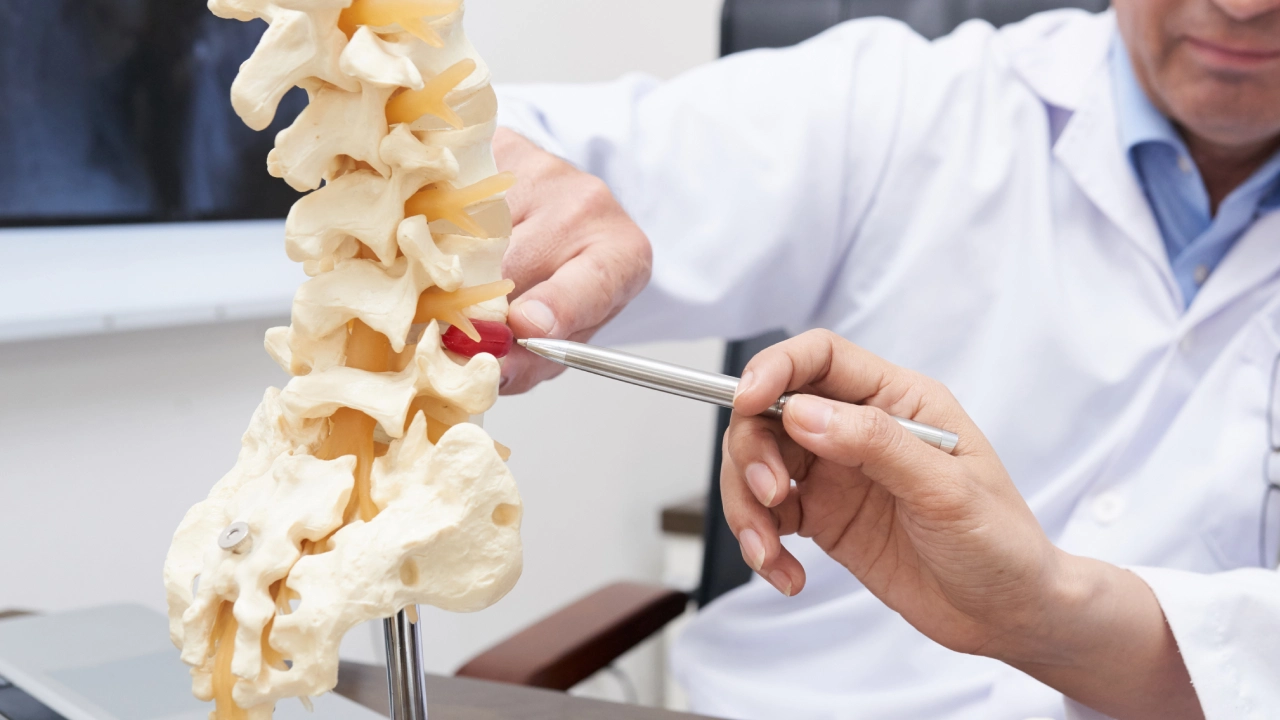
Every accident affects the body differently. For that reason, a structured evaluation is performed to understand the nature of Motor Vehicle Accident Injuries and how they influence daily movement.
Movement Evaluation
The process often begins with observing posture, walking patterns, and joint mobility. This helps determine how Motor Vehicle Accident Injuries are influencing body mechanics.
Functional Testing
Simple movements such as reaching, bending, or turning may be assessed to identify restricted areas. These tests help determine how Motor Vehicle Accident Injuries are affecting normal activities.
Rehabilitation Planning
Once the movement patterns are understood, a rehabilitation plan is developed to support gradual improvement in mobility, strength, and coordination following Motor Vehicle Accident Injuries.
Physiotherapy Methods Used for Motor Vehicle Accident Injuries
Physical rehabilitation can play an important role in restoring mobility after a collision. Several movement-focused techniques may be used to support recovery from Motor Vehicle Accident Injuries.
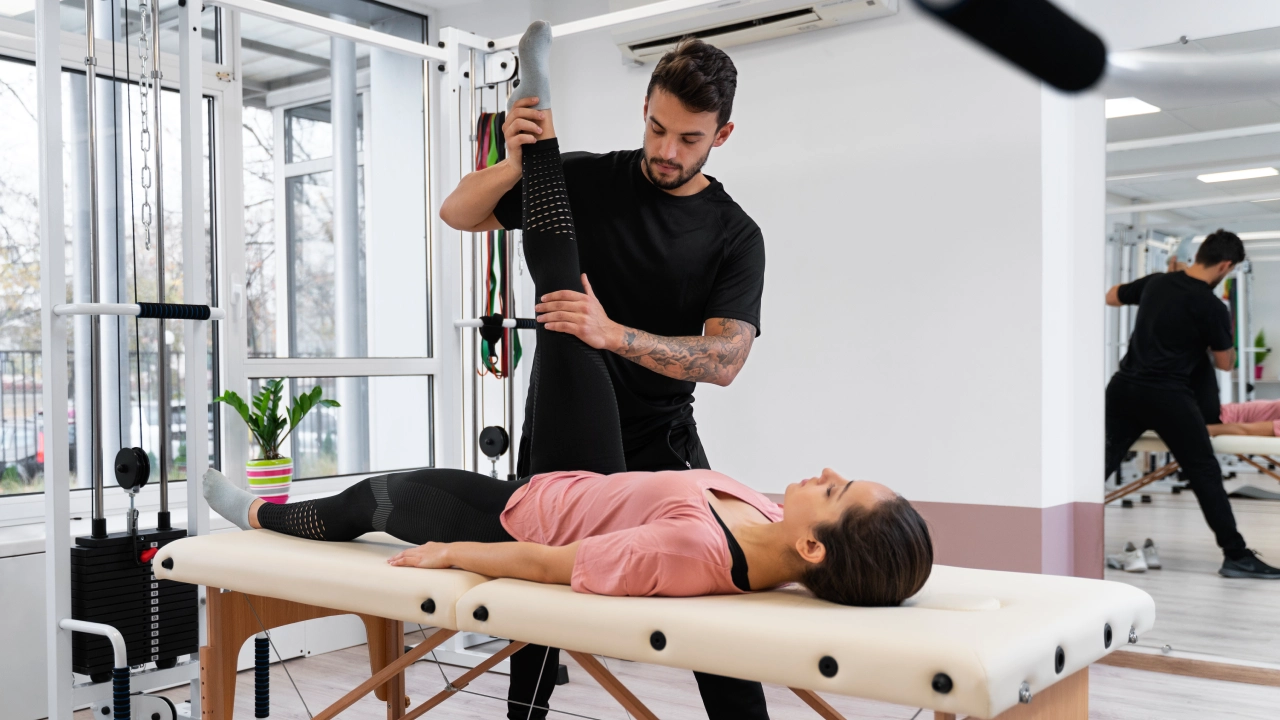
Guided Mobility Exercises
Targeted movements may help loosen stiff joints and encourage improved motion. These exercises often form a central part of care for Motor Vehicle Accident Injuries.
Soft Tissue Techniques
Manual techniques may help address tight muscles and connective tissue restrictions that develop following Motor Vehicle Accident Injuries.
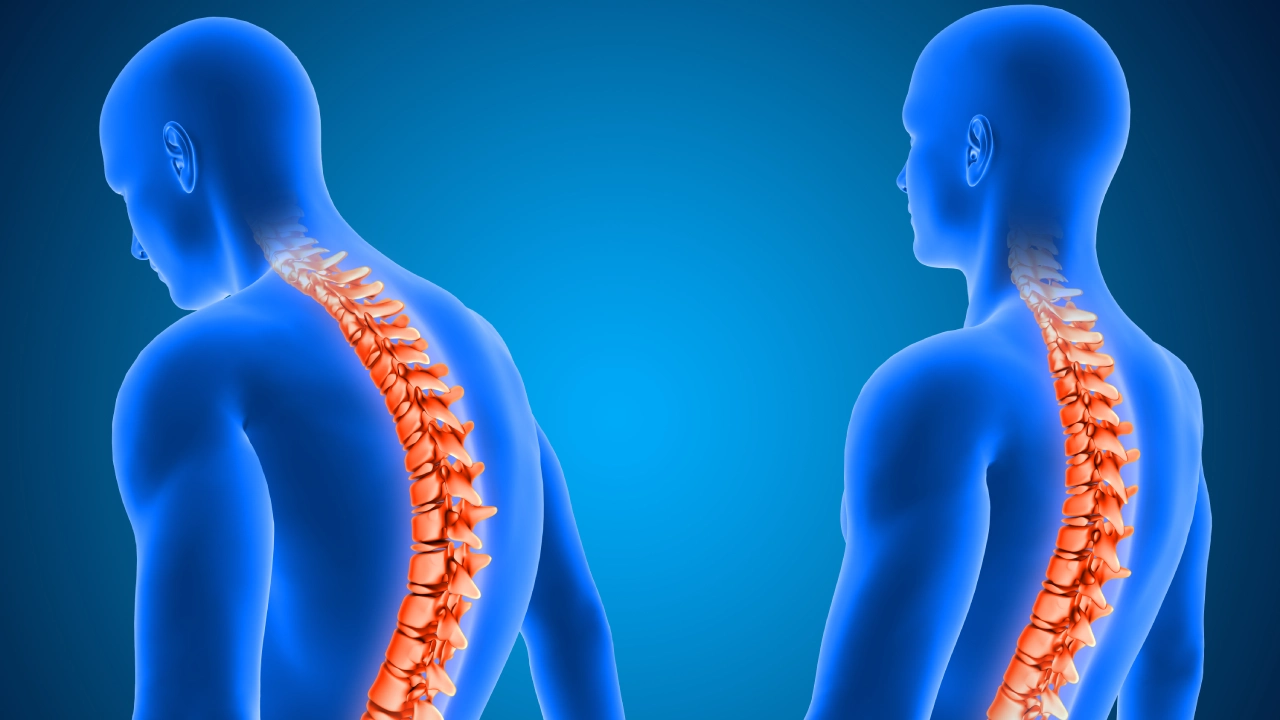
Postural Training
Accidents can change how the body holds itself during everyday activities. Postural training focuses on restoring balanced movement patterns following Motor Vehicle Accident Injuries.
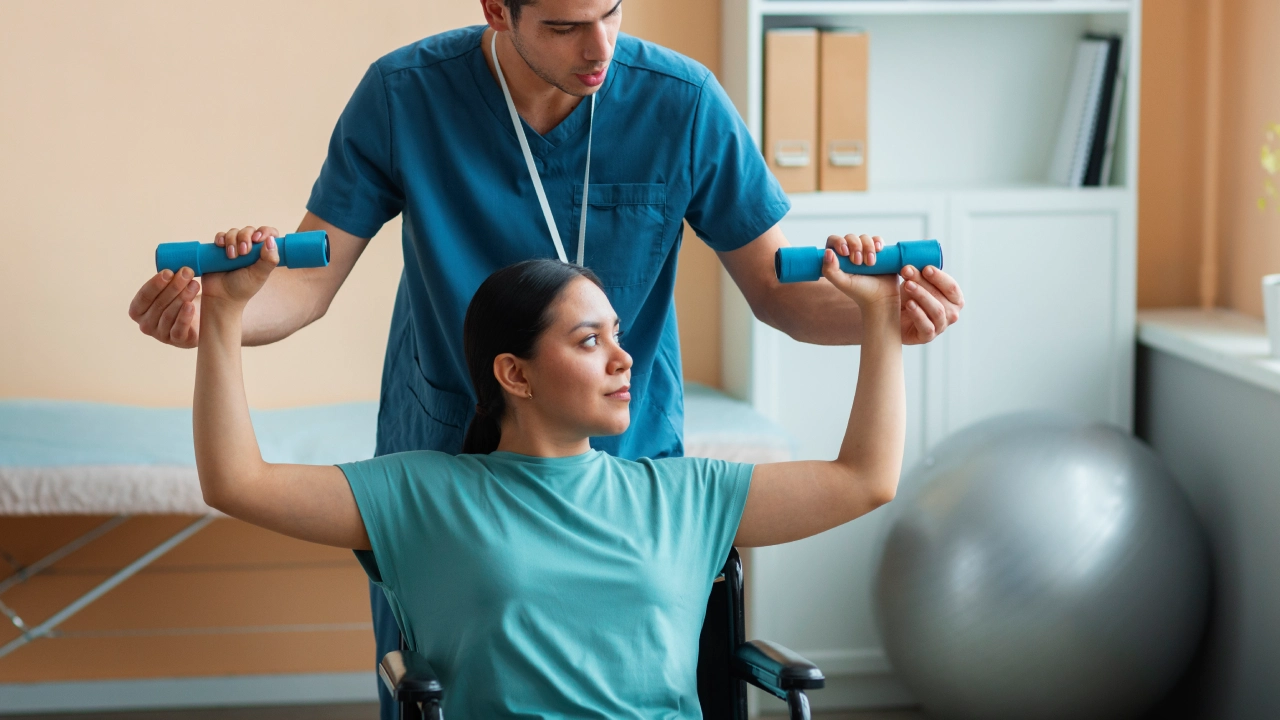
Strength and Stability Work
Muscles surrounding the spine and joints may weaken after trauma or inactivity. Strengthening exercises may support the body while recovering from Motor Vehicle Accident Injuries.
Recovery Timeline for Motor Vehicle Accident Injuries
Recovery from Motor Vehicle Accident Injuries varies depending on several factors, including the severity of the collision, physical condition before the accident, and the timing of rehabilitation.
Some individuals notice improvement within a few weeks, while others require a longer period of structured rehabilitation. Gradual progress in movement and flexibility is common as the body adapts and regains normal function.
Consistent participation in exercises and movement guidance can support recovery from Motor Vehicle Accident Injuries and help restore daily activity levels.
Everyday Activities Affected by Motor Vehicle Accident Injuries
Even mild collisions can influence many everyday movements. Individuals dealing with Motor Vehicle Accident Injuries often report challenges with:
- Sitting for long periods
- Driving or turning the head
- Lifting objects
- Walking long distances
- Sleeping comfortably
Addressing these limitations through movement-based rehabilitation can support the body as it adapts following Motor Vehicle Accident Injuries.
Motor Vehicle Accident Injury Care at Prime Health Physiotherapy
At Prime Health Physiotherapy, the focus is on helping individuals regain comfortable movement and return to their normal routines after Motor Vehicle Accident Injuries.
The clinic provides a supportive environment where physical rehabilitation focuses on restoring joint mobility, muscle balance, and overall body function after an accident. Each stage of the process focuses on improving how the body moves while encouraging a gradual return to everyday activities.
If you have experienced a collision and are noticing stiffness, discomfort, or reduced mobility, addressing Motor Vehicle Accident Injuries early may help prevent further movement limitations.
Prime Health Physiotherapy provides movement-focused care designed to help the body recover from the physical effects of a crash while restoring confidence in daily movement.
Frequently Asked Question (FAQ)
Motor Vehicle Accident Injuries refer to physical conditions that occur after a road collision. These may affect the neck, back, shoulders, knees, or other areas of the body due to sudden impact or rapid movement during the crash.
It is often helpful to seek physiotherapy soon after Motor Vehicle Accident Injuries occur, even if symptoms appear mild. Early evaluation can identify movement limitations that may develop later.
Common symptoms include neck stiffness, back discomfort, headaches, reduced range of motion, muscle tightness, and difficulty performing daily activities.
Recovery time varies depending on the type and severity of Motor Vehicle Accident Injuries. Some individuals notice improvement within a few weeks, while others may require a longer period of rehabilitation.
Yes. Physiotherapy focuses on restoring mobility, improving joint function, and supporting the body’s movement after Motor Vehicle Accident Injuries through guided exercises and physical rehabilitation techniques.