Call UsBook Appointment

Spondylosis

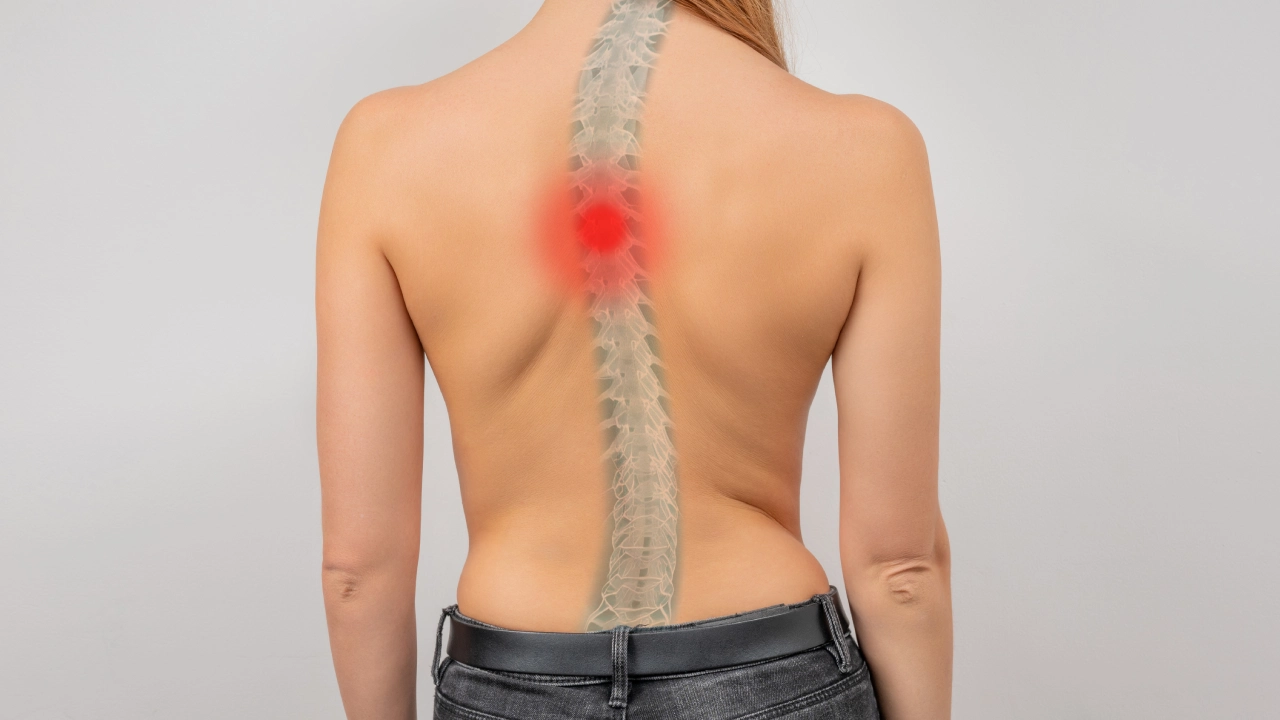
Spondylosis is a common condition linked to age-related changes in the spine. It can affect the neck (cervical spine), mid-back (thoracic spine), or lower back (lumbar spine), often leading to stiffness, discomfort, and reduced movement. At Prime Health Physiotherapy, care focuses on improving mobility, reducing strain, and helping individuals return to daily activities with greater ease.

What Is Spondylosis?

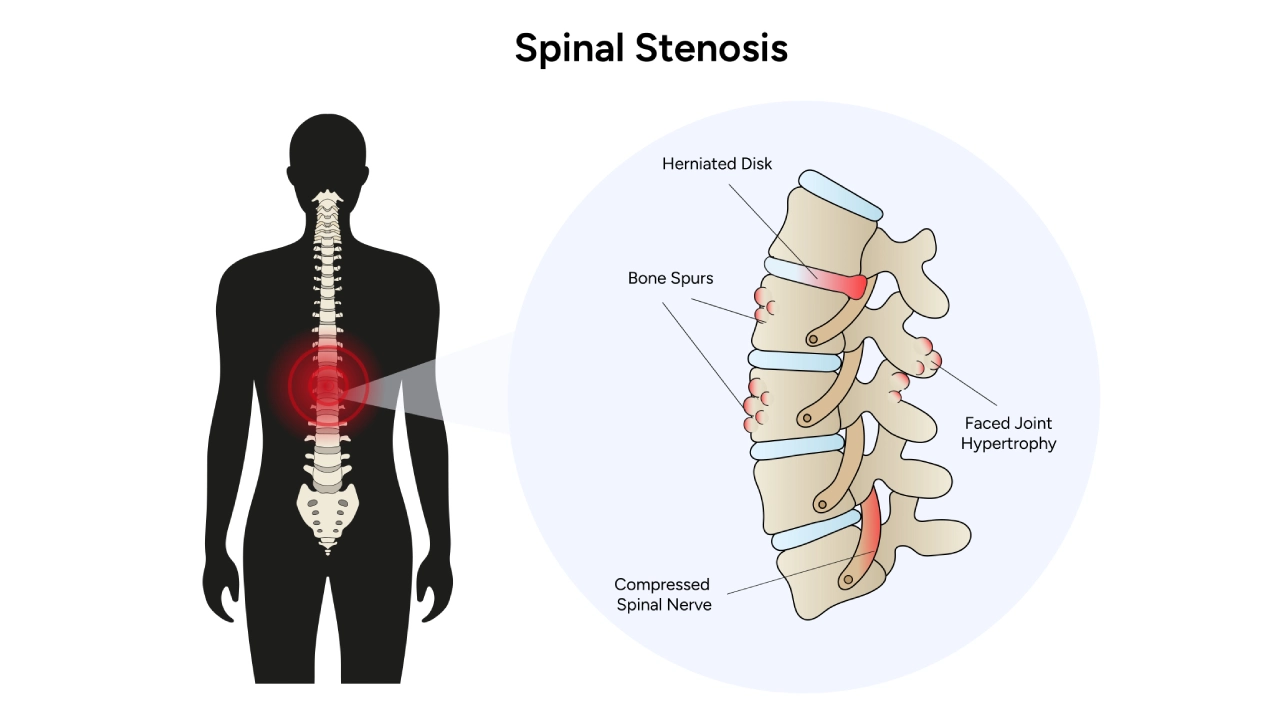
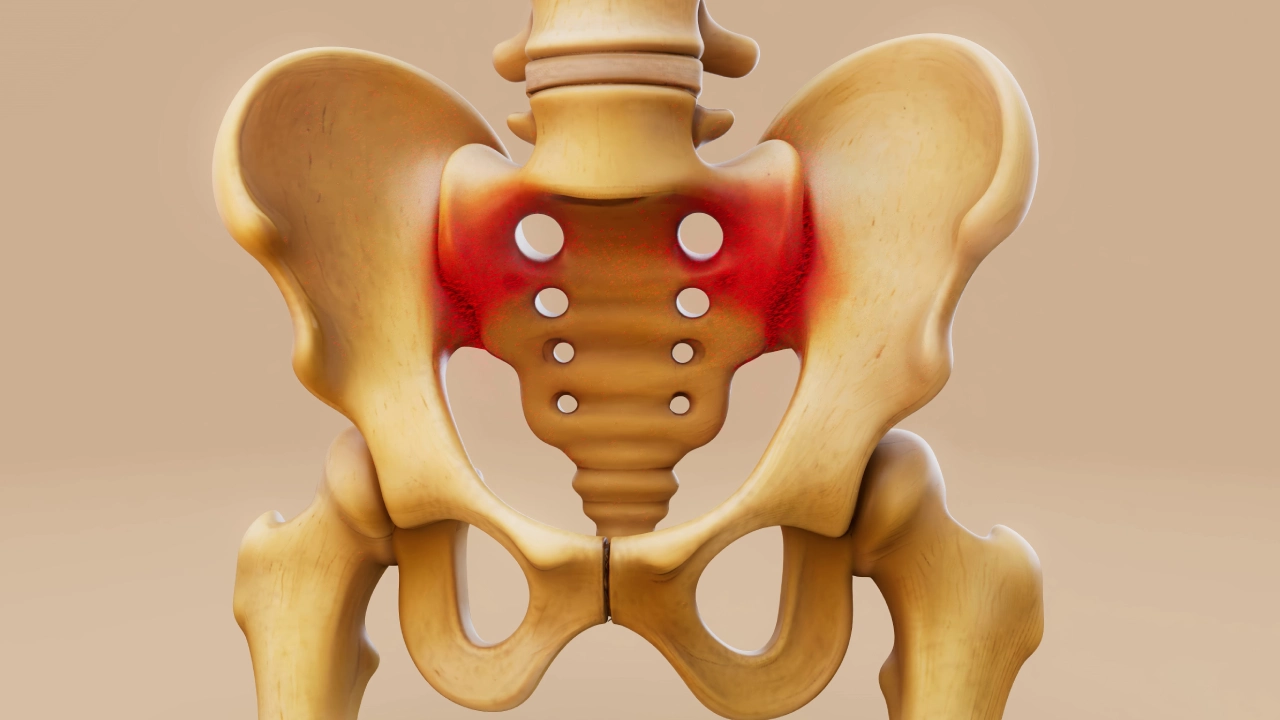
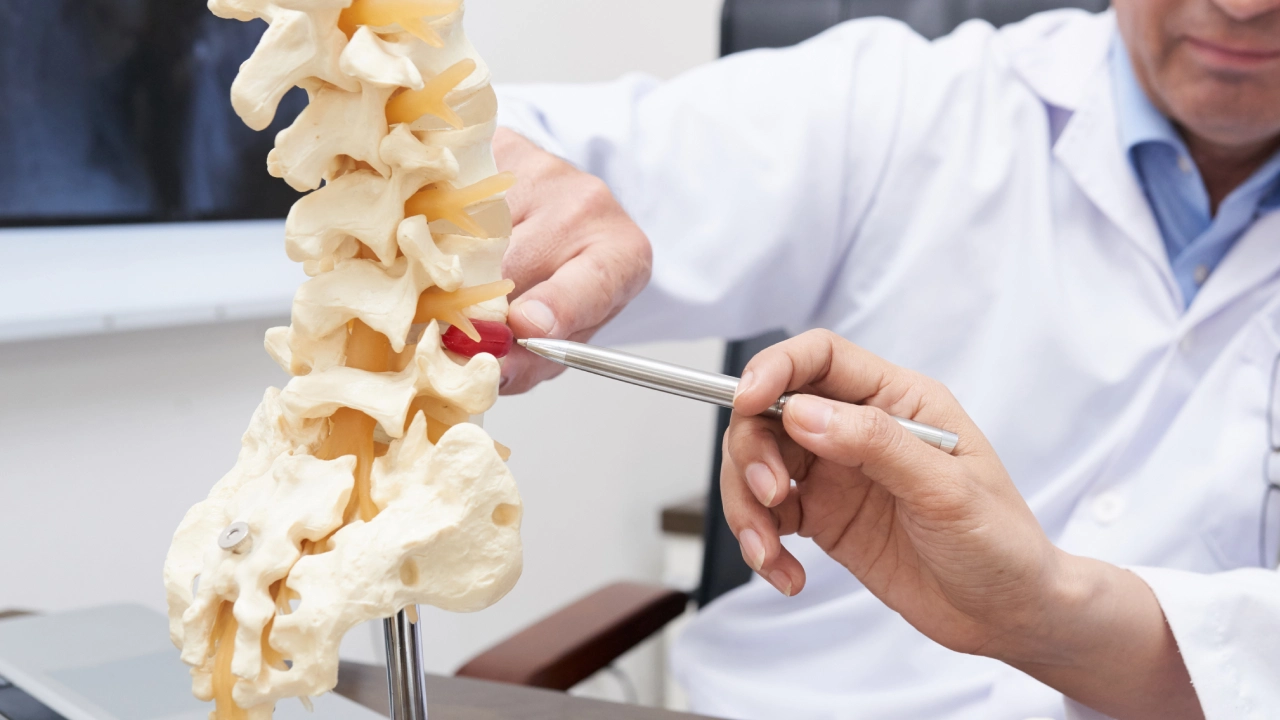
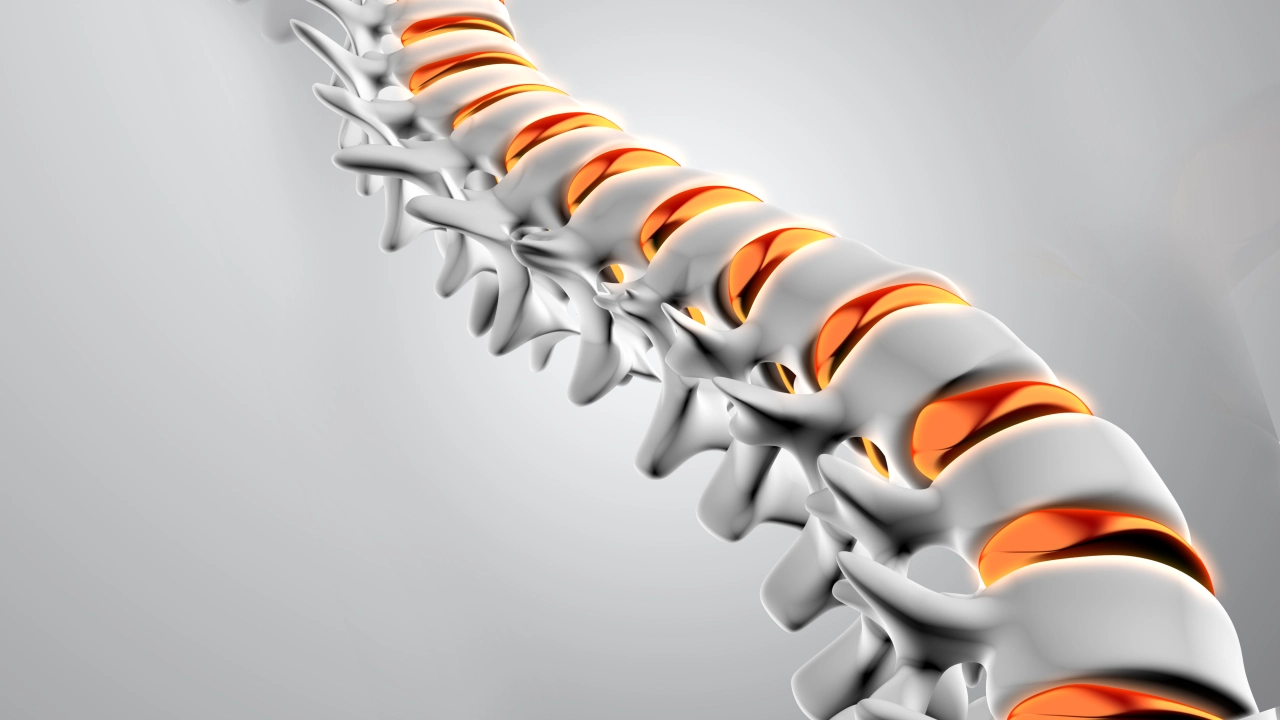
Spondylosis refers to the wear and tear that affects the spinal discs, joints, and bones over time. As the spine changes, discs may lose hydration and height, while bone spurs can form. These structural changes may contribute to pressure on nearby nerves and soft tissues.

Common Types of Spondylosis

  • Cervical spondylosis – affects the neck.
  • Thoracic spondylosis – impacts the mid-back
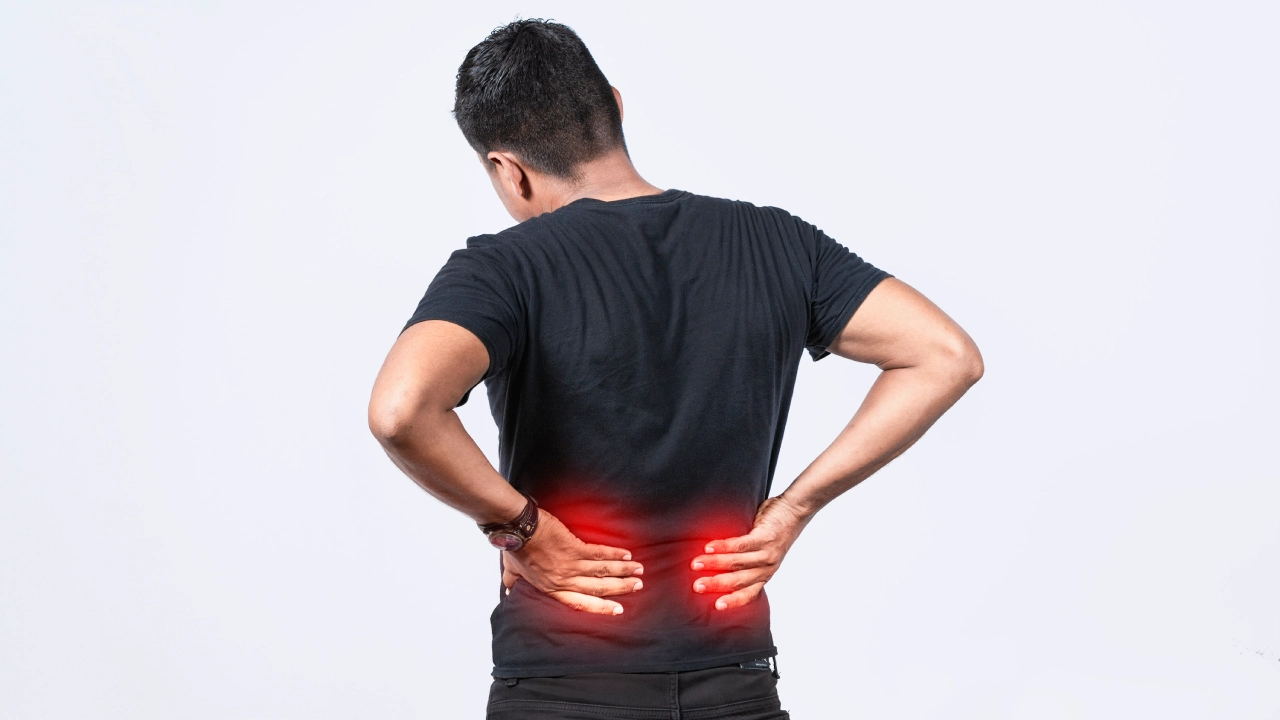
  • Lumbar spondylosis – occurs in the lower back.

Each type may present differently, depending on the area involved and the extent of degeneration.

Causes of Spondylosis

Spondylosis develops gradually and is often associated with natural aging. However, several contributing factors may influence its onset and progression:

Contributing Factors

  • Age-related disc degeneration
  • Repetitive movements or occupational strain
  • Previous spinal injuries
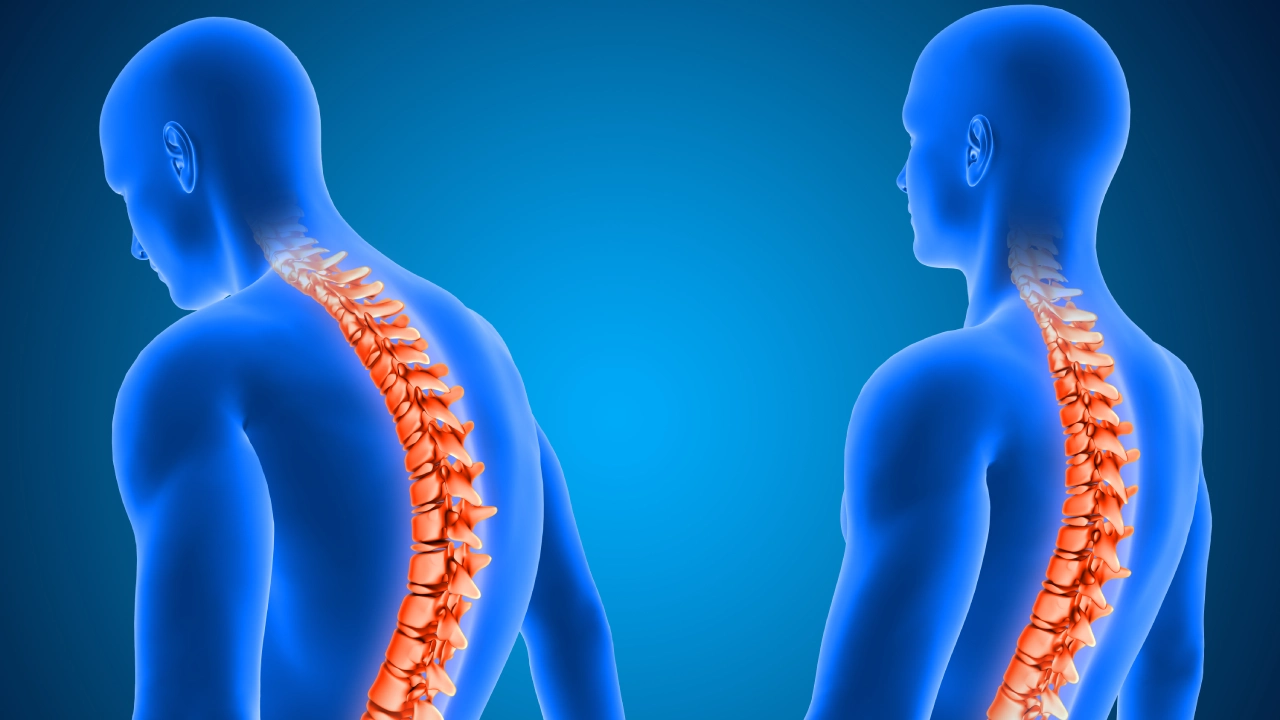
  • Poor posture over long periods
  • Sedentary lifestyle
  • Genetic predisposition

These factors may increase stress on spinal structures, leading to progressive changes over time.

Symptoms of Spondylosis

Symptoms can vary widely depending on the affected region and severity. Some individuals may experience mild stiffness, while others may notice more persistent discomfort.

Common Signs

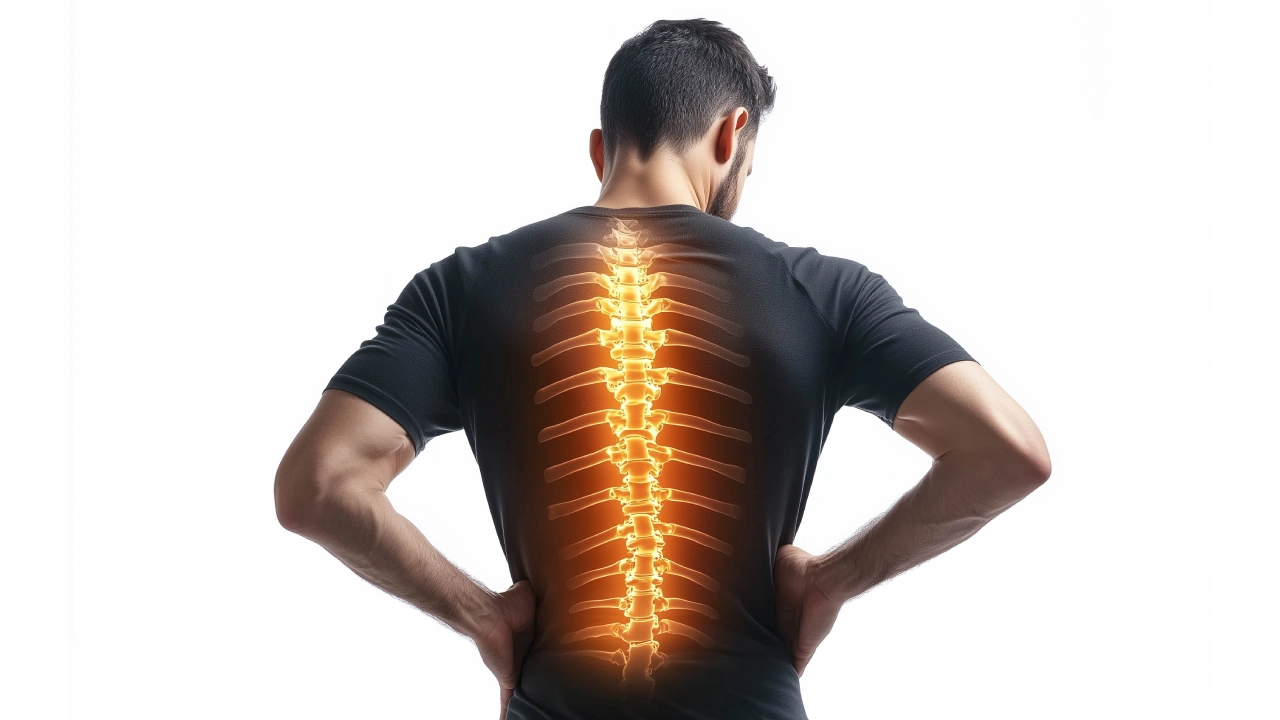
  • Neck or back stiffness
  • Pain that worsens with movement
  • Reduced range of motion
  • Muscle tightness or spasms
  • Headaches (often linked to cervical involvement)
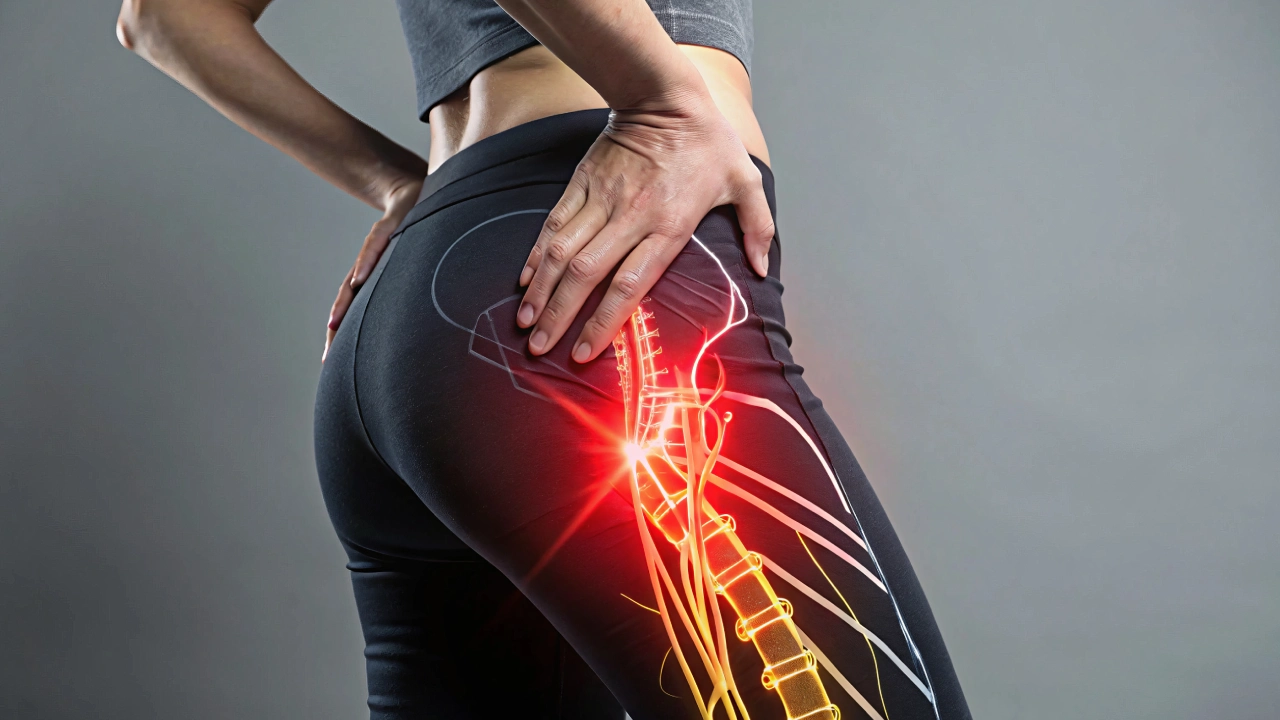
  • Numbness or tingling in arms or legs
  • Weakness in extremities in advanced cases

Symptoms may develop slowly and can fluctuate based on activity levels and posture.

How Spondylosis Affects Daily Life

Spondylosis can interfere with routine tasks such as sitting, standing, walking, or lifting. For individuals working at desks or performing repetitive physical work, symptoms may become more noticeable over time.

Without proper care, movement limitations may increase, leading to decreased activity levels. Addressing these issues early can help maintain function and prevent further decline.

Physiotherapy for Spondylosis

At Prime Health Physiotherapy, treatment plans are structured to address the specific needs of each individual. The focus is on improving spinal function, strengthening supporting muscles, and reducing mechanical stress on affected areas.

Key Treatment Approaches

1. Movement-Based Therapy

Targeted exercises help improve flexibility, coordination, and spinal stability.

2. Manual Therapy

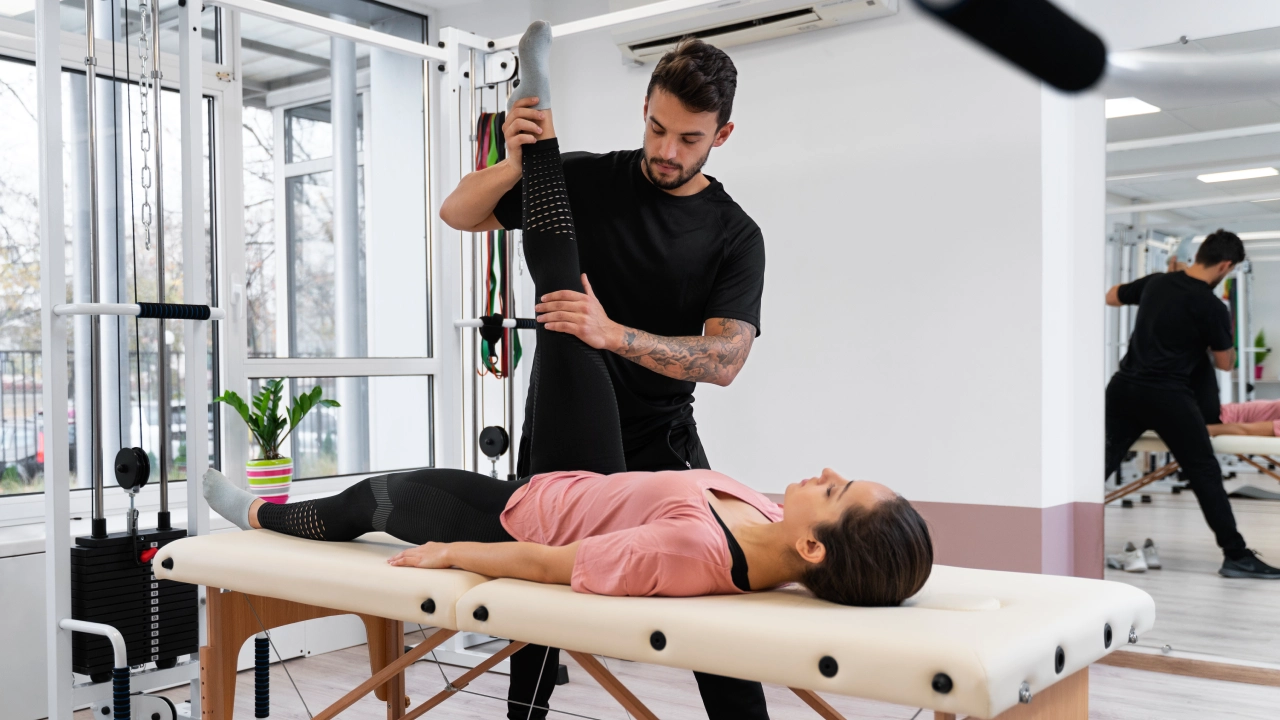
Hands-on techniques may assist in reducing joint stiffness and improving mobility.

3. Postural Correction

Education on posture helps reduce unnecessary strain on the spine during daily activities.

4. Strength Training

Strengthening core and back muscles supports the spine and reduces pressure on joints.

5. Activity Modification

Adjustments to daily habits and work routines help minimize aggravation of symptoms.

Benefits of Physiotherapy for Spondylosis

Consistent physiotherapy care can help individuals manage symptoms and maintain an active lifestyle.

Expected Outcomes

  • Improved range of motion
  • Reduced stiffness
  • Enhanced muscle support around the spine
  • Increased tolerance for daily activities
  • Better posture and body mechanics

These outcomes contribute to maintaining function and supporting long-term spinal health.

Preventing Progression of Spondylosis

While age-related changes cannot be reversed, certain habits may help slow progression and maintain spinal function.

Preventive Measures

  • Stay physically active with regular exercise.
  • Maintain proper posture during sitting and standing.
  • Use ergonomic work setups.
  • Avoid prolonged inactivity
  • Practice safe lifting techniques.
  • Incorporate stretching into daily routines.

Small, consistent adjustments can make a meaningful difference in spinal health over time.

When to Seek Physiotherapy Care

It may be time to consult a physiotherapy clinic if you notice:

  • Persistent neck or back stiffness
  • Difficulty performing routine movements
  • Pain that interferes with work or sleep
  • Tingling or numbness in limbs
  • Reduced flexibility or strength

An early assessment can help identify contributing factors and create a structured plan for managing symptoms.

Book an Appointment

If you are experiencing symptoms of spondylosis, the team at Prime Health Physiotherapy is here to help. A detailed assessment can identify the source of your discomfort and outline the next steps for improving mobility and function.

Book an Appointment today to start working toward improved spinal movement and daily comfort.

Frequently Asked Question (FAQ)

Spondylosis is common and often develops with age. While it may cause discomfort, many people manage symptoms effectively with appropriate care and lifestyle adjustments.

The structural changes in the spine do not reverse, but symptoms can be managed effectively. Physiotherapy and regular movement can help control discomfort and improve function.

Activities that involve heavy lifting, repetitive strain, or prolonged poor posture may aggravate symptoms. A physiotherapist can help identify movements to limit or modify.

Progress varies depending on the severity of the condition and consistency with therapy. Some individuals notice changes within a few weeks, while others may require longer care.

Yes, appropriate exercises are important for maintaining mobility and strength. A physiotherapy program ensures exercises are suitable for your condition and performed safely.

More Conditions