7 Reasons Shockwave Therapy Is Becoming Hard to Ignore for Stubborn Pain
The Small Ache You Ignored May Be Quietly Taking Over Your Daily Routine
You wake up hoping the pain will finally ease up. Instead, your shoulder still feels tight, your heel burns when you stand, or your knee complains the moment you start moving. Days turn into weeks, then months. That is often when people begin searching for Shockwave Therapy after rest, stretching, and temporary fixes stop making a real difference.
For many active adults in Edmonton, stubborn pain slowly starts taking over daily life. Sleep becomes interrupted. Workouts get skipped. Simple movements feel frustrating. The longer recurring discomfort is ignored, the harder normal routines can become.
Why Stubborn Pain Keeps Returning
Persistent pain rarely appears out of nowhere. In many cases, the body has been under repeated stress for a long time before symptoms finally become impossible to ignore.
Common causes include:
Repetitive strain from work duties
Sports-related stress from running or gym activity
Tendon overload from overuse
Tight muscles that never fully recover
Returning to activity too quickly after injury
Waiting too long before seeking attention
A small ache can slowly grow into constant irritation. Someone may continue pushing through discomfort until walking, lifting, exercising, or even sitting becomes difficult.
Many people searching for shockwave therapy for chronic pain describe the same cycle. The discomfort improves briefly, then comes back stronger after activity or long workdays.
What Shockwave Therapy Actually Does
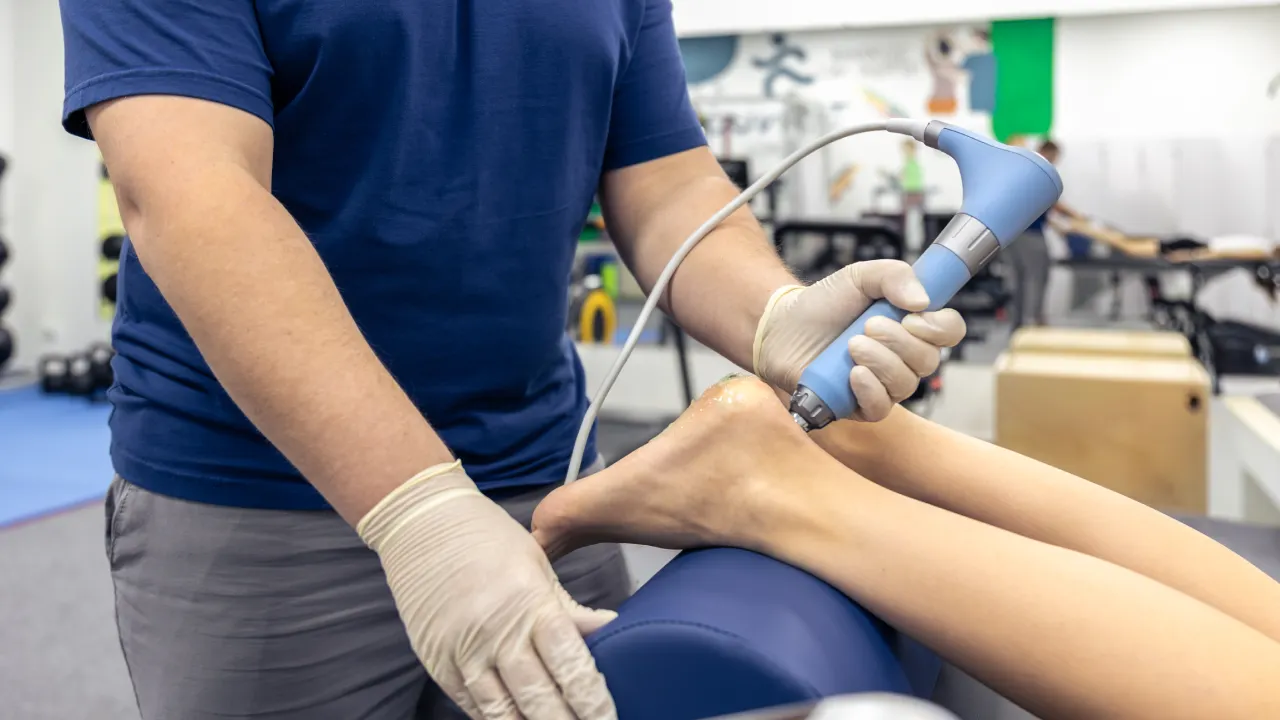
Shockwave Therapy is commonly used in physiotherapy settings to target stubborn muscle and tendon discomfort. It uses acoustic waves directed toward affected areas to stimulate tissue activity and movement function.
When pain continues for months, the body often adapts in unhealthy ways. Muscles tighten. Movement changes. Certain areas become weaker while others overwork to compensate.
A typical shockwave therapy treatment is often used alongside movement-based physiotherapy approaches. Sessions are usually short, and many people continue normal daily activities during care.
In many cases, Evidence-Based Practice and Client centred treatment approaches are combined to help identify movement patterns and habits contributing to recurring pain.
7 Reasons People Search for Shockwave Therapy
1. Pain Returns Every Morning
Some people wake up stiff every single day, no matter how early they sleep or how much they rest.
Heel discomfort during the first few steps in the morning is one common reason people look into Shockwave Therapy. Others notice shoulder or back stiffness before the day even begins.
2. Tight Muscles Never Seem to Relax
Muscle tension that keeps returning can affect posture, workouts, and even concentration during work hours.
Many seeking shockwave therapy for muscle tension report feeling constantly tight despite stretching, massage, or taking days off from activity.
3. Sports Injuries Keep Limiting Activity
Runners, gym-goers, and recreational athletes often struggle with recurring tendon or muscle discomfort that keeps interrupting training.
People seeking shockwave therapy for sports injuries are often frustrated by setbacks that continue to affect performance and mobility.
4. Tendon Pain Starts Affecting Everyday Movement
Tendon discomfort often builds slowly. At first, it may only appear during exercise. Later, stairs, walking, lifting, or standing can become difficult.
Many individuals seek shockwave therapy for tendon pain after realizing the issue is no longer limited to workouts.
5. Sleep Gets Interrupted by Ongoing Discomfort
Pain that lingers through the night can affect energy, mood, and concentration the next day.
Shoulder discomfort while lying down or calf tightness during sleep are common complaints connected to stubborn muscle and tendon irritation.
6. Sitting Too Long Creates Severe Stiffness
Office workers and drivers often notice stiffness building after long periods of sitting.
Once movement becomes difficult after standing up, people often seek options like Shockwave Therapy to address recurring tightness.
7. Work Duties Become Harder to Manage
Physically demanding jobs place constant stress on joints, tendons, and muscles.
Construction workers, warehouse staff, healthcare workers, and tradespeople often ignore early warning signs until lifting, bending, or climbing begins to affect their ability to work comfortably.
Common Areas Where Shockwave Therapy Is Often Used
Shoulder – People often notice pain when reaching overhead, lifting objects, or sleeping on one side.
Heel – Heel discomfort may feel sharp during the first steps in the morning or after long periods of sitting.
Knee – Knee pain commonly appears during stairs, squats, running, or prolonged walking.
Elbow – Elbow tension may develop from repetitive gripping, lifting, or sports activity.
Calf – Tight calf muscles can affect walking, running, and balance.
Back – Persistent back tightness often interferes with sitting, bending, and work-related tasks.
Mistakes That Can Make Stubborn Pain Worse
Ignoring Symptoms Too Long
Many people assume discomfort will disappear on its own. Unfortunately, ongoing strain can continue to build beneath the surface.
Stopping Movement Completely
Avoiding all activity may lead to more stiffness and reduced mobility over time.
Depending Only on Temporary Fixes
Ice packs, pain creams, or occasional stretching may briefly calm symptoms without addressing the movement issues that contribute to recurring discomfort.
Returning to Sports Too Quickly
Resuming full activity before proper recovery can trigger recurrent flare-ups.
Self-Diagnosing Online
Not every injury or pain pattern has the same cause. Delayed assessment may allow the issue to progress further.
Why Active Adults in Edmonton Commonly Deal With Recurring Pain
Edmonton’s lifestyle often places significant stress on the body year-round.
Many adults balance gym activity, running, recreational sports, physically demanding work, and long commutes. Winter conditions can also reduce mobility and increase stiffness.
Snow shovelling, icy walking surfaces, and reduced activity during winter frequently contribute to recurring muscle and tendon irritation.
Because of this, many active adults eventually search for Shockwave Therapy after repeated discomfort starts interfering with daily routines.
FAQs
When should someone consider Shockwave Therapy?
People often consider it when muscle or tendon discomfort continues returning despite rest or activity modification.
Can Shockwave Therapy help old sports injuries?
It is commonly used in physiotherapy settings for ongoing sports-related muscle and tendon issues.
Is Shockwave Therapy used for tendon discomfort?
Yes. Tendon-related irritation in areas like the heel, elbow, knee, and shoulder is commonly discussed during assessment.
How many sessions are commonly needed?
The number of sessions varies depending on the severity, duration, and location of symptoms.
Can office workers develop muscle tension issues?
Yes. Long hours sitting, poor posture, and repetitive desk activity can contribute to ongoing tightness and stiffness.
Is a doctor referral required in Edmonton?
Many physiotherapy clinics in Edmonton accept direct bookings without a physician referral.
Moving Forward
Stubborn pain rarely stays small forever. What begins as mild tightness can slowly interfere with sleep, work performance, workouts, sports activity, and simple movement throughout the day.
Ignoring recurring symptoms may make muscle and tendon problems harder to manage over time. Early attention often helps people return to movement before discomfort starts controlling daily routines.
If recurring pain has started affecting your mobility or activity levels, Contact Prime Health Physiotherapy at 9228 144 Ave NW #11, Edmonton, AB T5E 6C6, Canada to book an assessment and discuss the next steps for your recovery.