Call UsBook Appointment

Shoulder Pain

Shoulder discomfort can interfere with daily movement, work duties, sleep, and recreation. When the joint becomes irritated or strained, even simple actions such as lifting a bag, reaching overhead, or putting on a jacket may become difficult. Shoulder Pain can develop gradually from repeated activity or appear suddenly after a strain or fall.

At Prime Health Physiotherapy, care focuses on restoring natural shoulder movement, improving joint stability, and addressing the factors contributing to Shoulder Pain. The shoulder is one of the most mobile joints in the human body, and that wide range of movement also makes it vulnerable to irritation, weakness, and structural imbalance.

Common Causes of Shoulder Pain

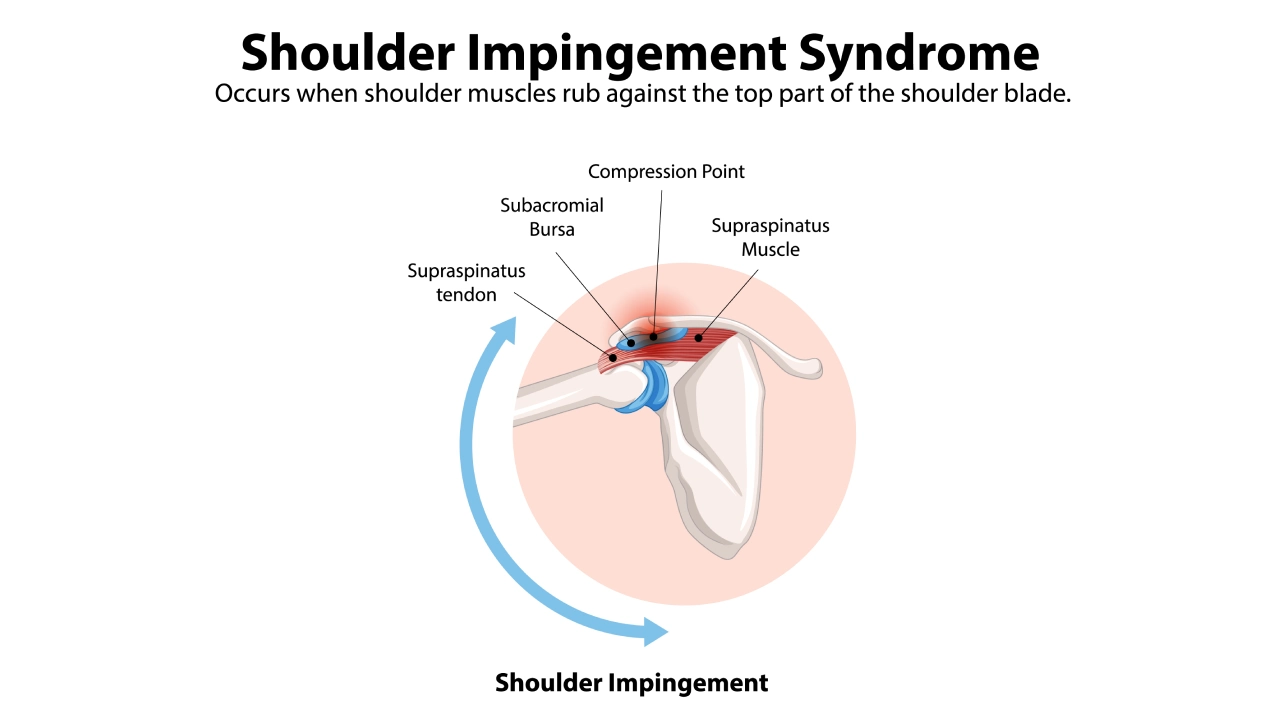
Many different factors may contribute to Shoulder Pain, and identifying the source is an important step before starting any treatment plan. The shoulder joint involves bones, tendons, ligaments, cartilage, and muscles that must work together smoothly.

Some common contributors include:

  • Rotator cuff strain
  • Tendon irritation
  • Bursitis
  • Joint instability
  • Frozen shoulder (adhesive capsulitis)
  • Muscle imbalance
  • Sports strain or repetitive movement
  • Postural strain from desk work

Work environments that involve repeated lifting, pushing, or overhead activity can also lead to Shoulder Pain over time. Similarly, long hours at a desk with rounded shoulders may place constant tension on surrounding tissues.

Without proper management, mild discomfort may gradually become persistent Shoulder Pain that affects mobility and daily activity.

How Shoulder Pain Can Affect Daily Life

The shoulder plays a major role in upper-body movement. Almost every arm action depends on coordinated activity between the scapula, upper arm bone, and surrounding muscles.

When Shoulder Pain develops, people may notice:

  • Reduced arm strength
  • Difficulty lifting objects
  • Limited overhead reach
  • Discomfort during sleep
  • Stiffness during morning movement

In many cases, people begin adjusting their posture or movement patterns to avoid discomfort. Over time, these adjustments can place extra strain on the neck, upper back, and opposite shoulder.

Because of this chain reaction, addressing Shoulder Pain early can help maintain balanced movement across the entire upper body.

Assessment for Shoulder Pain

At Prime Health Physiotherapy, each visit begins with a detailed assessment. The goal is to identify movement limitations, muscle imbalance, and joint behaviour related to Shoulder Pain.

This assessment may include:

Movement Testing

Your physiotherapist observes how the shoulder moves during reaching, lifting, and rotation.

Strength Evaluation

Muscles supporting the shoulder blade and rotator cuff are tested to determine whether weakness contributes to Shoulder Pain.

Joint Mobility Check

Joint stiffness or instability may influence shoulder function and contribute to ongoing symptoms.

These findings guide the treatment plan so that therapy addresses the specific mechanical factors connected with Shoulder Pain.

Physiotherapy Methods Used for Shoulder Pain

A structured physiotherapy plan may include several techniques working together to improve movement and restore shoulder function.

Therapeutic Exercise

Movement-based exercise plays a central role in addressing Shoulder Pain. Carefully selected exercises strengthen the rotator cuff, shoulder blade stabilizers, and upper-back muscles.

Exercises may focus on:

  • Controlled strengthening
  • Shoulder blade stability
  • Range-of-motion improvement
  • Coordination between the shoulder and the upper back

Gradual progress helps the joint handle daily activity without provoking Shoulder Pain again.

Manual Therapy

Hands-on techniques may also be used to improve joint mobility and reduce stiffness associated with Shoulder Pain. These techniques target surrounding muscles and joint structures to support smoother movement patterns.

Manual therapy may assist with:

  • Soft tissue tension
  • Restricted joint motion
  • Muscle guarding around the shoulder.

Postural Training

Posture can strongly influence shoulder mechanics. Forward head posture or rounded shoulders may increase stress on tendons and muscles.

Correcting posture through strengthening and movement training can reduce mechanical stress linked with Shoulder Pain.

Activity Modification and Prevention

Daily habits often contribute to the development of Shoulder Pain. Small adjustments to workstations, lifting technique, and physical activity can make a significant difference.

Physiotherapists may discuss:

  • Safe lifting mechanics
  • Desk setup adjustments
  • Gradual return to sports activity
  • Stretching for the upper body

These strategies help support shoulder function and reduce strain on the joint during daily tasks.

When to Seek Physiotherapy for Shoulder Pain

It may be helpful to consult a physiotherapist if:

  • Shoulder discomfort lasts longer than a few days.
  • Arm movement becomes limited.
  • Pain appears during lifting or reaching.
  • Sleep is disturbed by shoulder discomfort.

Early attention to Shoulder Pain can prevent further joint stiffness and reduce the likelihood of compensatory strain in nearby areas.

Shoulder Pain Care at Prime Health Physiotherapy

At Prime Health Physiotherapy, the focus is on restoring healthy shoulder mechanics and improving functional movement. Each session works toward improving mobility, strengthening key muscles, and supporting coordinated upper-body motion.

With a structured plan that addresses movement, strength, and posture, individuals with Shoulder Pain can gradually return to daily activities with greater comfort and confidence.

Frequently Asked Question (FAQ)

Shoulder Pain may develop from muscle strain, rotator cuff irritation, tendon inflammation, bursitis, joint stiffness, or repetitive overhead activity. Workplace posture, sports activity, and sudden strain can also contribute. A proper physiotherapy assessment helps determine which structures are involved.

If Shoulder Pain continues for more than a few days, limits arm movement, disrupts sleep, or makes lifting and reaching difficult, a physiotherapy visit may help identify the cause and guide recovery. Early attention may prevent further joint restriction.

Yes. Physiotherapy focuses on improving joint mobility, strengthening supporting muscles, and correcting movement patterns that may contribute to Shoulder Pain. Exercise programs and manual therapy techniques are commonly used to support shoulder function.

Recovery time for Shoulder Pain varies depending on the cause, the severity of tissue irritation, and the duration of the issue. Some conditions improve within a few weeks, while others may require a longer rehabilitation process.

Certain movements may aggravate Shoulder Pain if performed incorrectly or too early during recovery. A physiotherapist provides structured exercises designed to strengthen the shoulder safely while restoring range of motion and stability.

More Conditions