Arthritis
Arthritis Care
Living with Arthritis can affect how a person moves, works, and participates in daily activities. Joint stiffness, swelling, and reduced mobility can make simple movements feel difficult over time. Many individuals begin to notice discomfort during walking, climbing stairs, lifting objects, or performing repetitive tasks.
At Prime Health Physiotherapy, the focus is on helping people manage Arthritis through structured movement care and physical rehabilitation. Rather than focusing solely on symptoms, the approach centres on improving joint mobility, strengthening muscles, and encouraging safe daily movement.
Joint conditions associated with Arthritis can affect multiple areas of the body, including the knees, hips, shoulders, hands, and spine. With appropriate physiotherapy strategies, individuals can maintain mobility, build joint stability, and continue participating in everyday routines with greater confidence.
What Is Arthritis?
Arthritis is a condition that involves inflammation and structural changes in the joints. It may develop gradually as joint cartilage changes over time, or it may appear due to autoimmune or inflammatory processes. Regardless of the cause, the condition can influence how joints move and respond to daily physical activity.
Common signs associated with Arthritis include:
- Joint stiffness, especially after rest
- Swelling around affected joints
- Reduced range of motion
- Sensitivity during movement
- Difficulty performing repetitive tasks
There are multiple types of Arthritis, each affecting the joints differently. Some forms develop due to wear and tear, while others are linked to immune system activity. Because the condition can vary from person to person, movement-focused care is important for maintaining joint function.
How Arthritis Affects Movement and Daily Activities
Over time, Arthritis may affect how joints absorb force, stabilize the body, and coordinate movement. When the cartilage inside a joint changes, the surrounding muscles often compensate in order to maintain stability.
This compensation can lead to:
- Muscle tightness
- Reduced flexibility
- Limited joint motion
- Changes in posture or walking patterns
These changes can place extra stress on nearby structures, which may gradually affect multiple areas of the body. When movement patterns are adjusted through physiotherapy, individuals can learn ways to support joint function while continuing everyday activities.
At Prime Health Physiotherapy, physiotherapists evaluate how Arthritis influences joint mechanics and overall movement patterns. This helps guide the development of structured rehabilitation plans that support safe and efficient motion.
Common Areas Affected by Arthritis
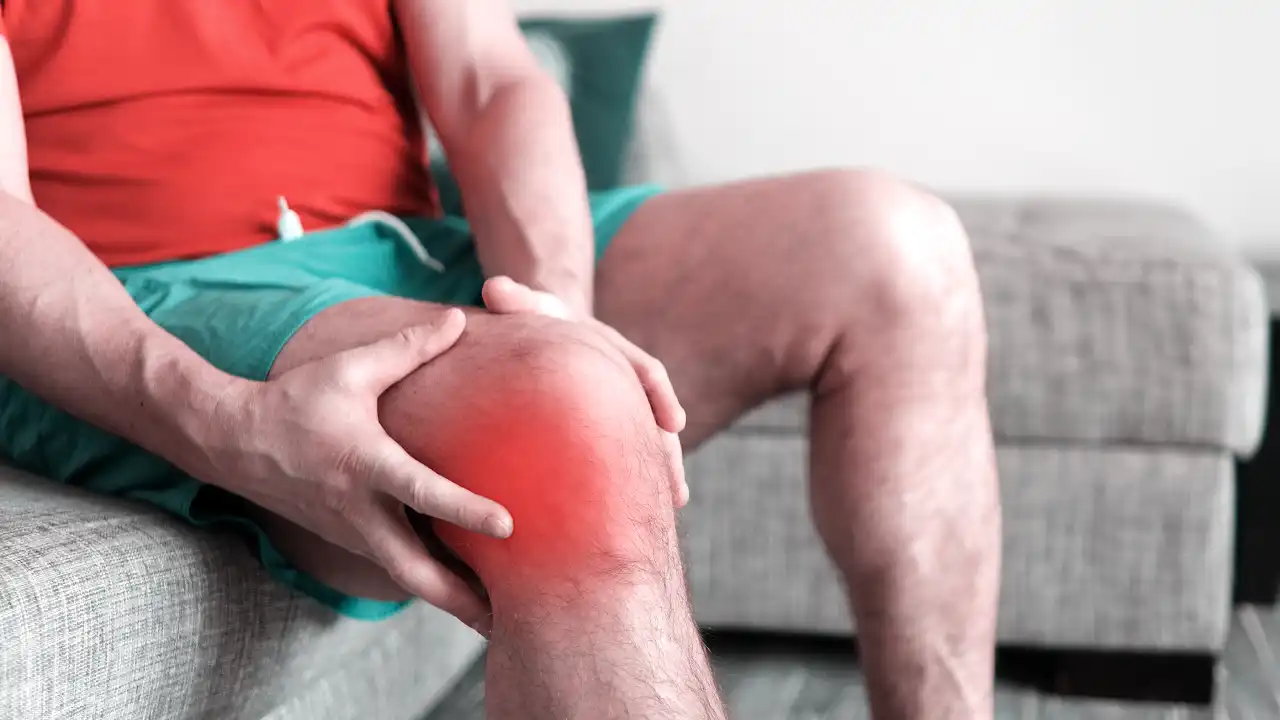
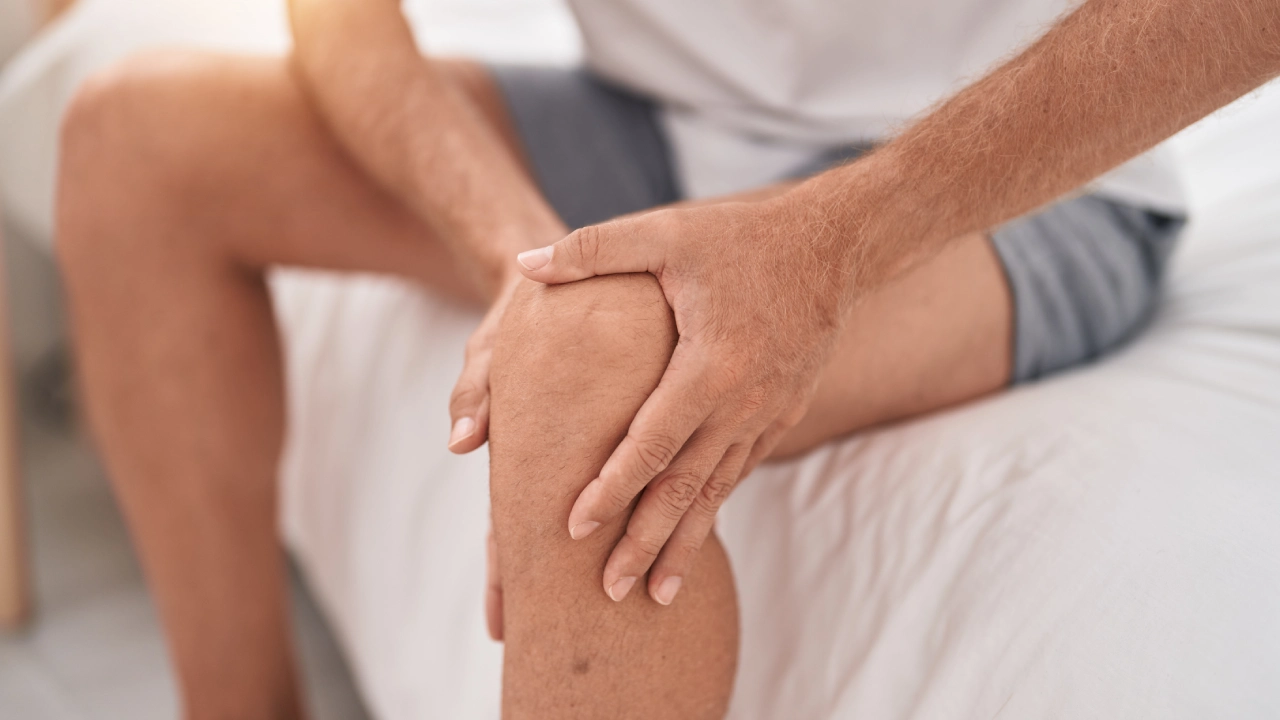
Knee Arthritis
The knee is one of the most frequently affected joints in Arthritis. Because the knee carries body weight during walking, running, and standing, joint changes in this area may influence mobility and balance. Individuals may experience stiffness when standing up, walking long distances, or climbing stairs.
Hip Arthritis
Arthritis affecting the hip joint can influence walking mechanics and pelvic stability. People may notice reduced hip flexibility, which can affect activities such as sitting, bending, and turning while walking.
Hand and Wrist Arthritis
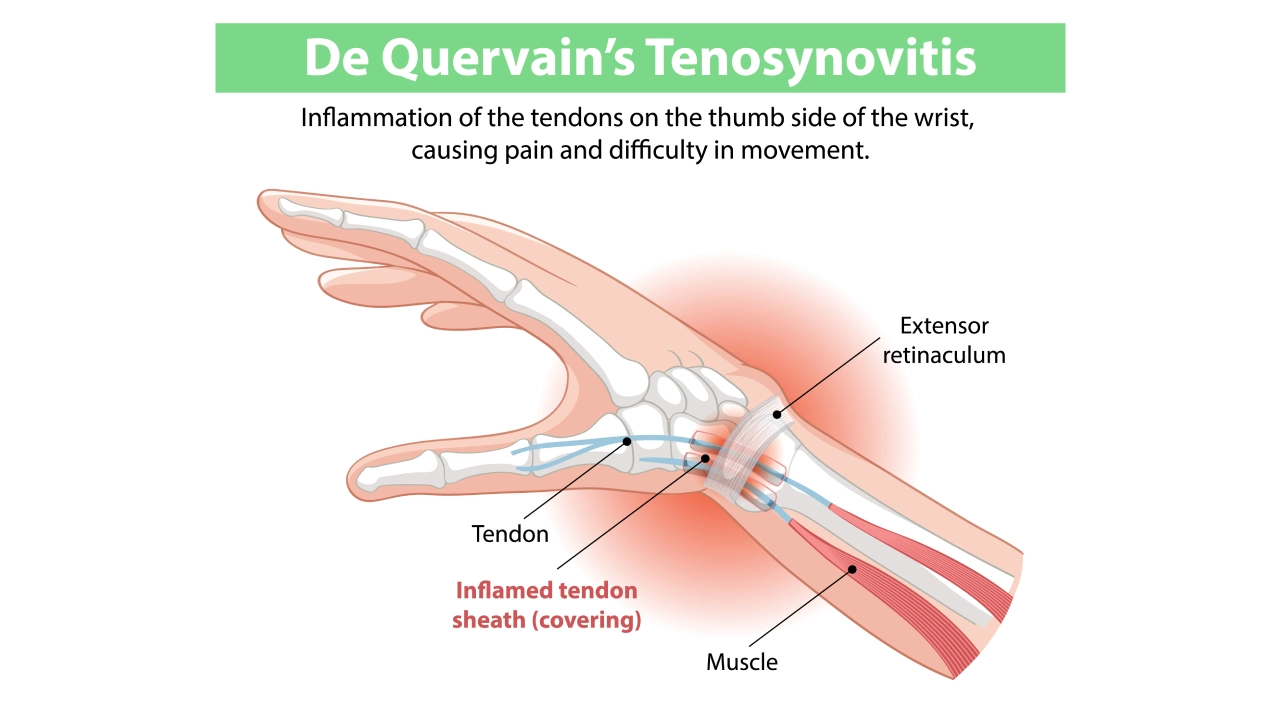
When Arthritis affects the hands or wrists, gripping and fine motor tasks may become difficult. Activities such as typing, writing, cooking, or holding objects may feel challenging due to joint stiffness.
Shoulder Arthritis
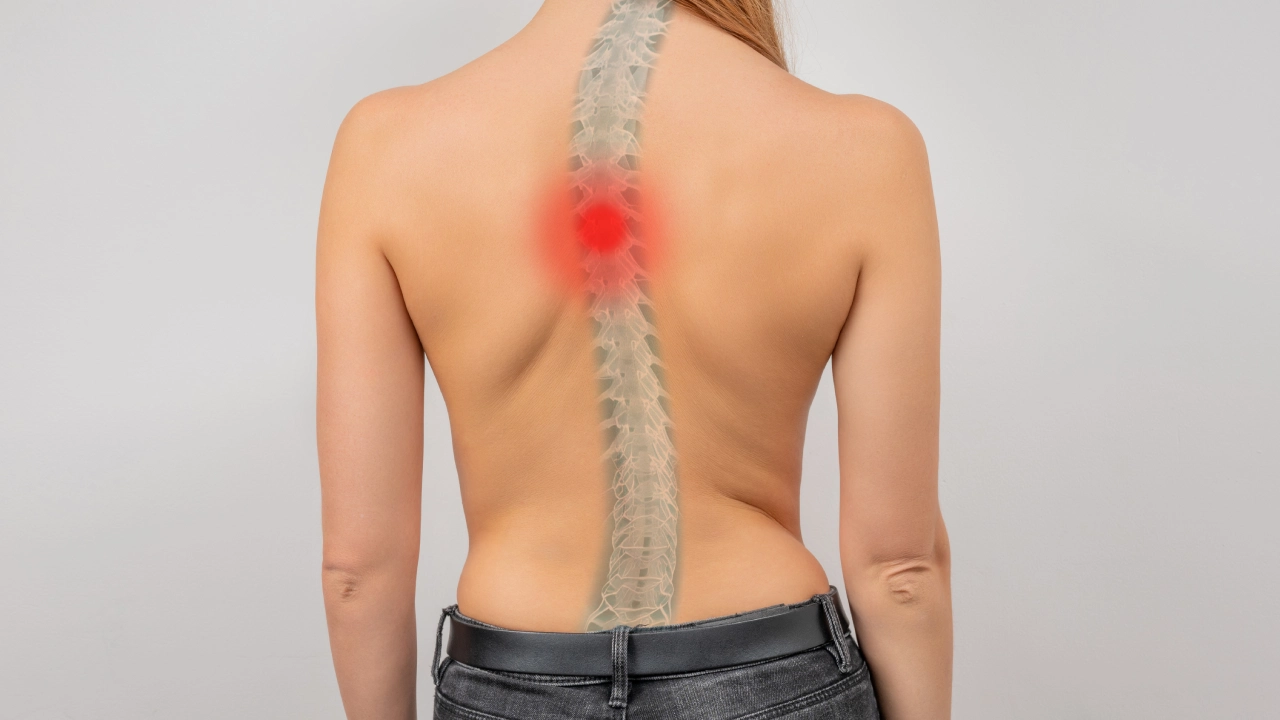
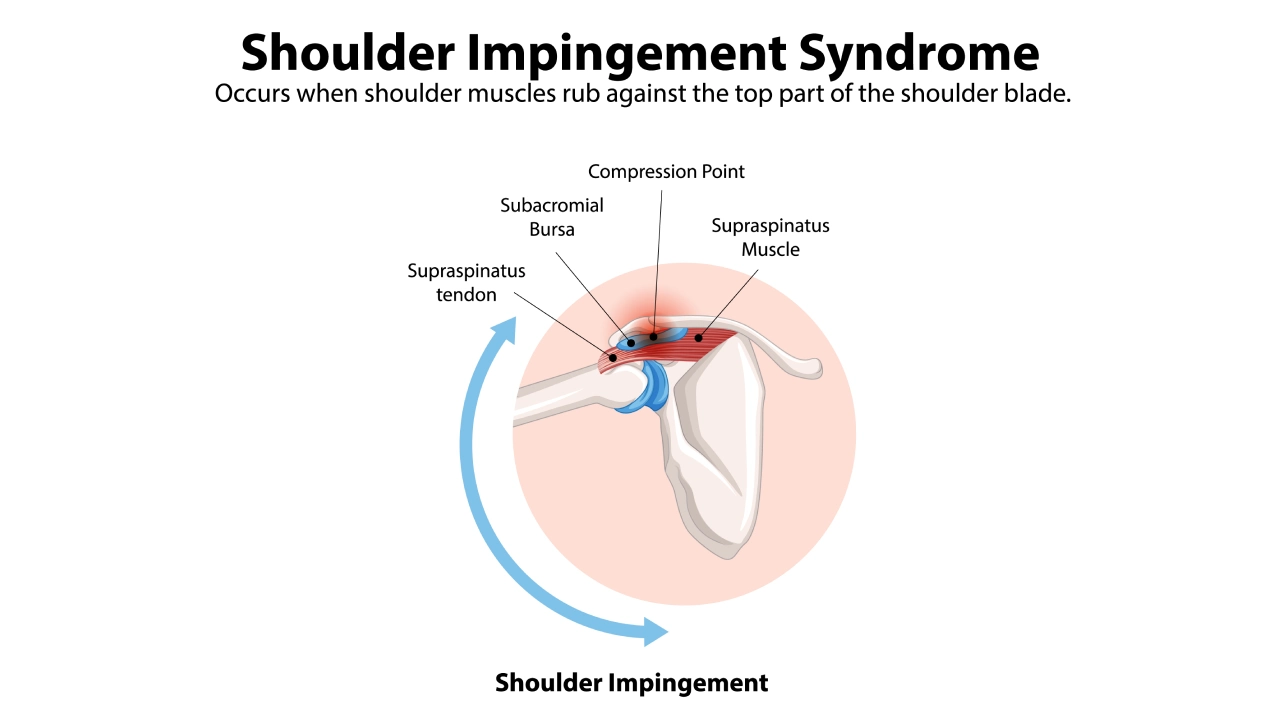
Shoulder Arthritis can influence arm movement, particularly during lifting or reaching overhead. Reduced joint mobility in this area may also affect posture and upper-body coordination.
Physiotherapy for Arthritis Management
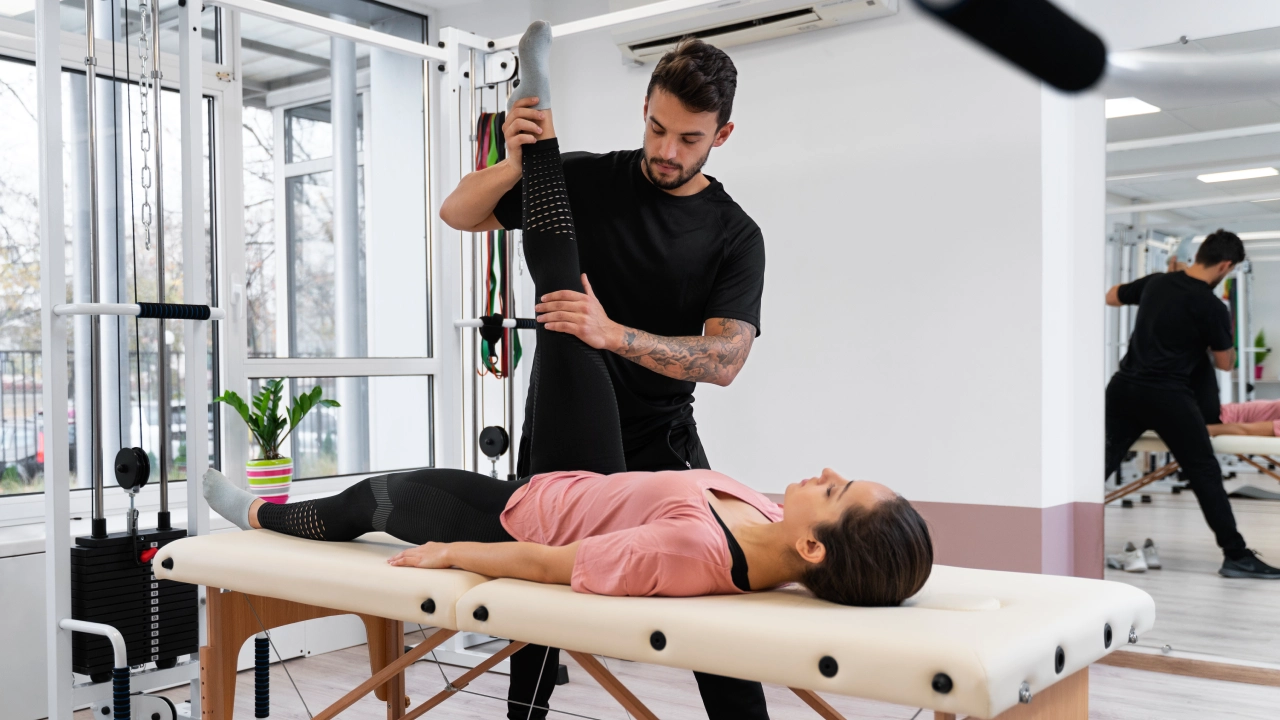
Physiotherapy plays an important role in supporting individuals living with Arthritis. Movement-based rehabilitation focuses on maintaining joint mobility, strengthening surrounding muscles, and improving body mechanics.
At Prime Health Physiotherapy, physiotherapy programs are structured around the individual’s condition, mobility level, and daily activities.
Movement and Mobility Exercises
Gentle mobility exercises help maintain joint range and reduce stiffness related to Arthritis. These movements encourage circulation around the joint structures and help maintain functional motion during daily activities.
Strength Development
Muscle strength is essential for supporting joints affected by Arthritis. Strengthening the surrounding muscles helps reduce mechanical stress on the joint surfaces during movement.
Joint Stability Training
Stability exercises help the body maintain controlled movement during walking, lifting, and other physical tasks. This type of training helps protect joints affected by Arthritis from unnecessary strain.
Posture and Movement Education
Physiotherapists also guide individuals in adjusting posture and movement habits. Learning efficient movement patterns can help reduce unnecessary stress on joints influenced by Arthritis.
The Role of Early Movement Care
Early management can help individuals maintain mobility and activity levels when dealing with Arthritis. Addressing joint stiffness and reduced movement early may help prevent additional strain on surrounding muscles and joints.
Movement-focused rehabilitation encourages:
- Improved joint mobility
- Greater muscular support around joints
- Safer movement patterns
- Continued participation in daily activities
At Prime Health Physiotherapy, individuals receive structured physiotherapy support to help them stay active and maintain joint function while living with Arthritis.
When to Seek Physiotherapy for Arthritis
People often seek physiotherapy when Arthritis begins to interfere with daily activities or physical movement. Signs that movement care may be helpful include:
- Persistent joint stiffness
- Difficulty walking or climbing stairs
- Reduced flexibility in affected joints
- Swelling after physical activity
- Limited range of motion
Early physiotherapy assessment helps individuals understand how Arthritis is influencing their movement patterns and which strategies may support long-term joint function.
Movement Support at Prime Health Physiotherapy
Living with Arthritis does not mean stopping physical activity. With guided physiotherapy and movement-based rehabilitation, individuals can maintain joint mobility, improve strength, and support their daily routines.
At Prime Health Physiotherapy, the focus remains on helping individuals understand how Arthritis influences their body while providing structured physiotherapy care that supports joint movement and functional mobility.
Through consistent physiotherapy and guided exercises, individuals living with Arthritis can continue participating in work, recreational activities, and daily life with greater comfort and improved movement control.
Book an Appointment
If Arthritis is affecting your mobility or making everyday movement difficult, physiotherapy may help support joint function and daily activity.
Prime Health Physiotherapy provides physiotherapy assessments and movement-based rehabilitation programs for individuals experiencing joint stiffness and mobility limitations related to Arthritis.
Contact Prime Health Physiotherapy today to schedule an appointment and begin working toward improved joint movement and physical function.
Frequently Asked Question (FAQ)
Arthritis refers to conditions that involve inflammation and structural changes within the joints. It can affect mobility, flexibility, and the smoothness of joint movement. Many people experience stiffness, swelling, and difficulty performing everyday activities when Arthritis progresses.
Arthritis can affect almost any joint in the body. However, it is frequently seen in weight-bearing joints such as the knees and hips. It may also develop in the hands, wrists, shoulders, and spine, affecting daily tasks and physical movement.
Physiotherapy focuses on improving joint movement, strengthening surrounding muscles, and supporting functional mobility. Many people with Arthritis participate in physiotherapy programs to maintain joint function, support movement patterns, and stay active in daily life.
Individuals with Arthritis may notice challenges with walking, climbing stairs, lifting objects, or performing repetitive tasks. Stiffness after periods of rest and reduced joint flexibility can also influence how comfortably a person performs daily activities.
It may be helpful to consider physiotherapy when Arthritis begins to influence movement or everyday routines. Signs can include persistent stiffness, swelling, reduced range of motion, or difficulty completing regular physical activities. A physiotherapy assessment can evaluate joint mobility and movement patterns.