Call UsBook Appointment

Spondylitis

Spondylitis is a condition that affects the spine, often leading to stiffness, discomfort, and reduced mobility. At Prime Health Physiotherapy, we focus on helping individuals manage symptoms, improve spinal function, and return to daily activities with greater ease. Whether symptoms are mild or more persistent, early attention can make a significant difference in maintaining spinal health.

What is Spondylitis?

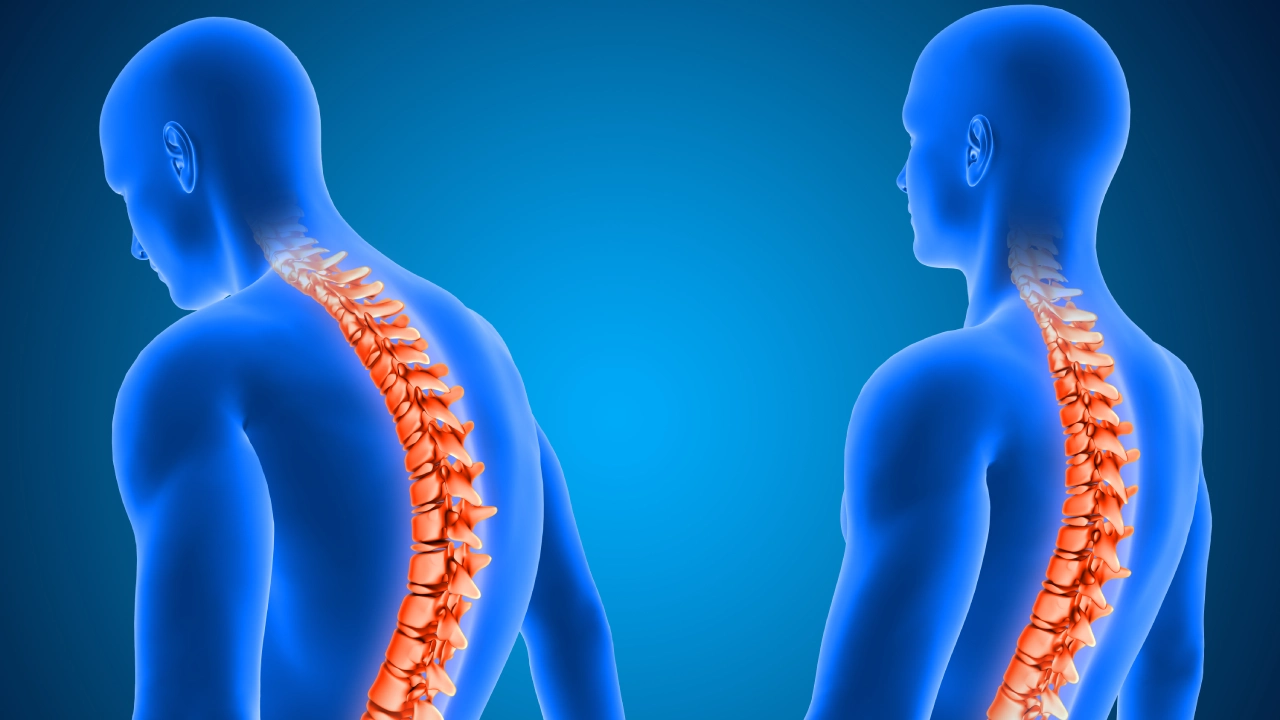
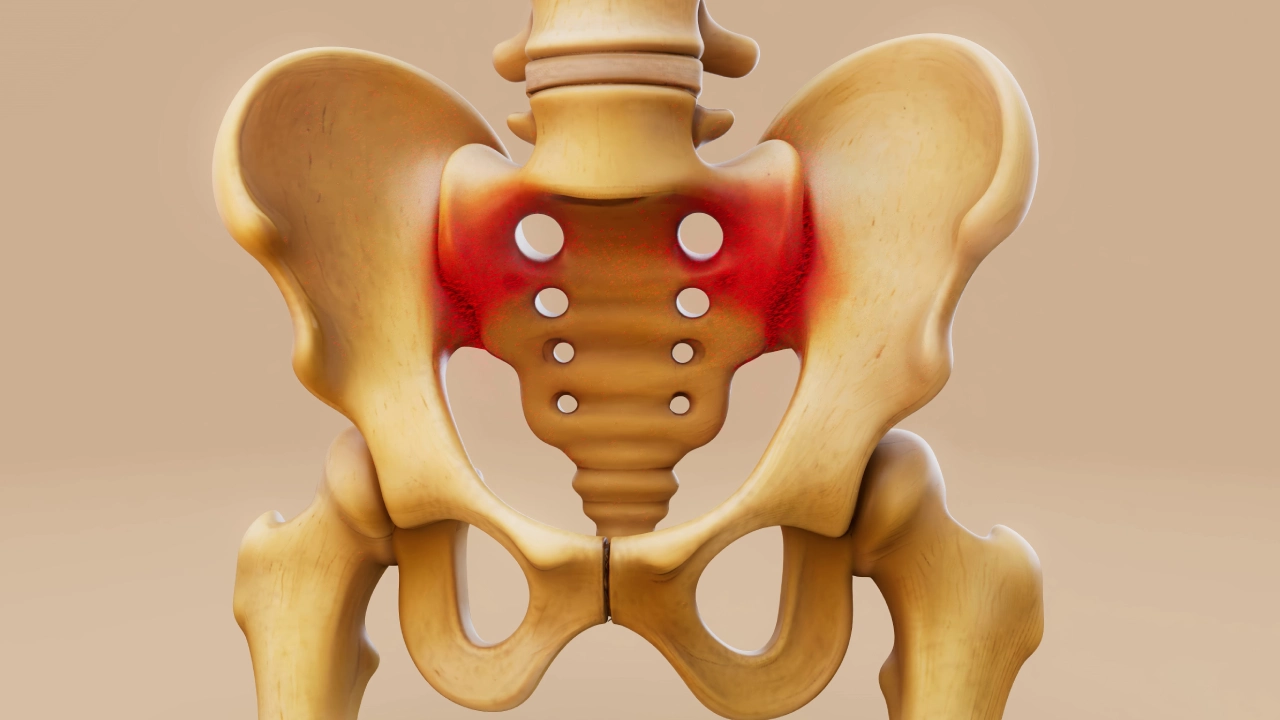
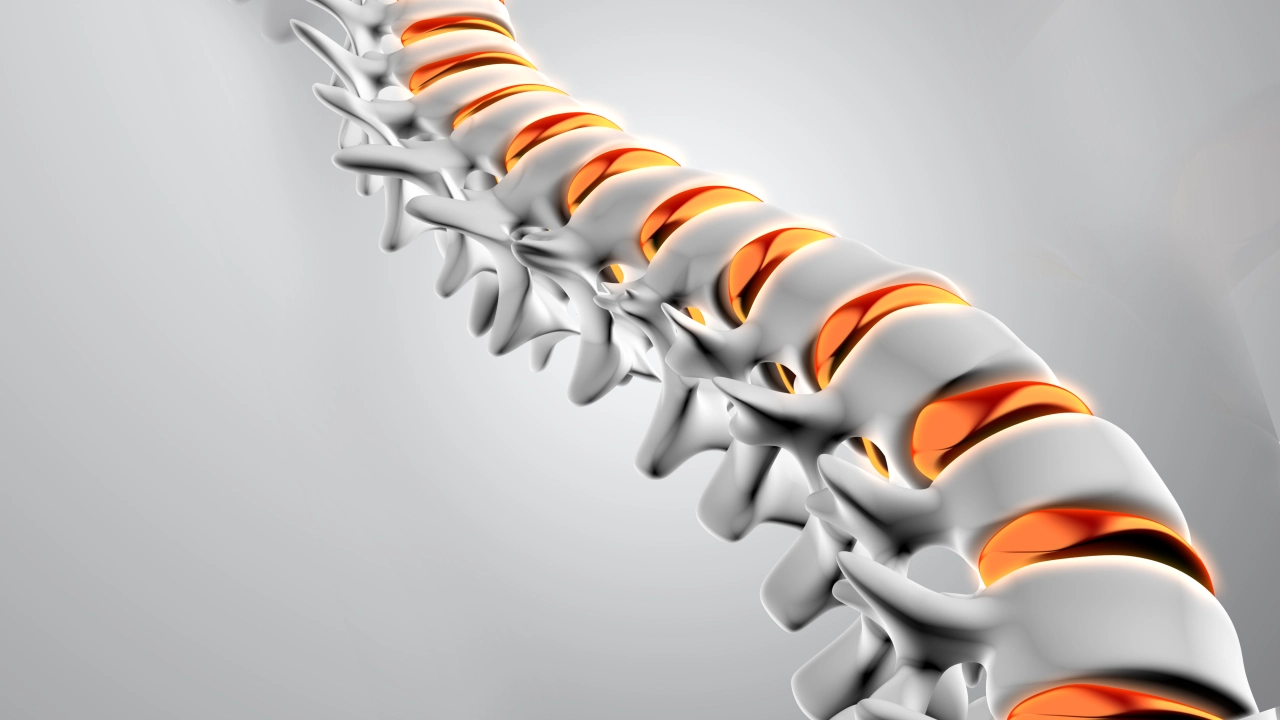
Spondylitis refers to inflammation of the vertebrae, which can lead to chronic stiffness and discomfort, especially in the lower back and hips. One of the better-known forms is ankylosing spondylitis, an inflammatory condition that may gradually affect spinal alignment.

Common Symptoms of Spondylitis

  • Persistent lower back stiffness, especially in the morning
  • Pain that improves with movement but worsens with inactivity
  • Reduced flexibility in the spine
  • Discomfort in the hips, shoulders, or neck
  • Fatigue associated with ongoing inflammation

These symptoms can vary in intensity and may develop gradually, making it important to seek care when changes in movement or comfort are noticed.

Causes and Risk Factors

Spondylitis is often associated with autoimmune responses, in which the body’s immune system attacks healthy tissues. While the exact cause may differ from person to person, several factors can increase the likelihood of developing the condition.

Key Risk Factors

  • Family history of spinal conditions
  • Presence of specific genetic markers such as HLA-B27
  • Age (commonly begins in early adulthood)
  • Gender (more common in men, though women are also affected)

Understanding these factors can help identify early signs and encourage timely care.

How Physiotherapy Supports Spondylitis

Physiotherapy plays a central role in managing spondylitis. A structured program focuses on maintaining flexibility, improving posture, and strengthening muscles that support the spine.

Movement and Mobility Work

Targeted exercises are used to improve spinal flexibility and maintain the range of motion. Regular movement can help reduce stiffness and prevent further restriction.

Strength Development

Building strength in the core and surrounding muscle groups supports spinal alignment and reduces strain during daily activities.

Postural Training

Posture plays a key role in spinal health. Physiotherapists work to correct imbalances and promote positions that reduce stress on the spine.

Manual Therapy

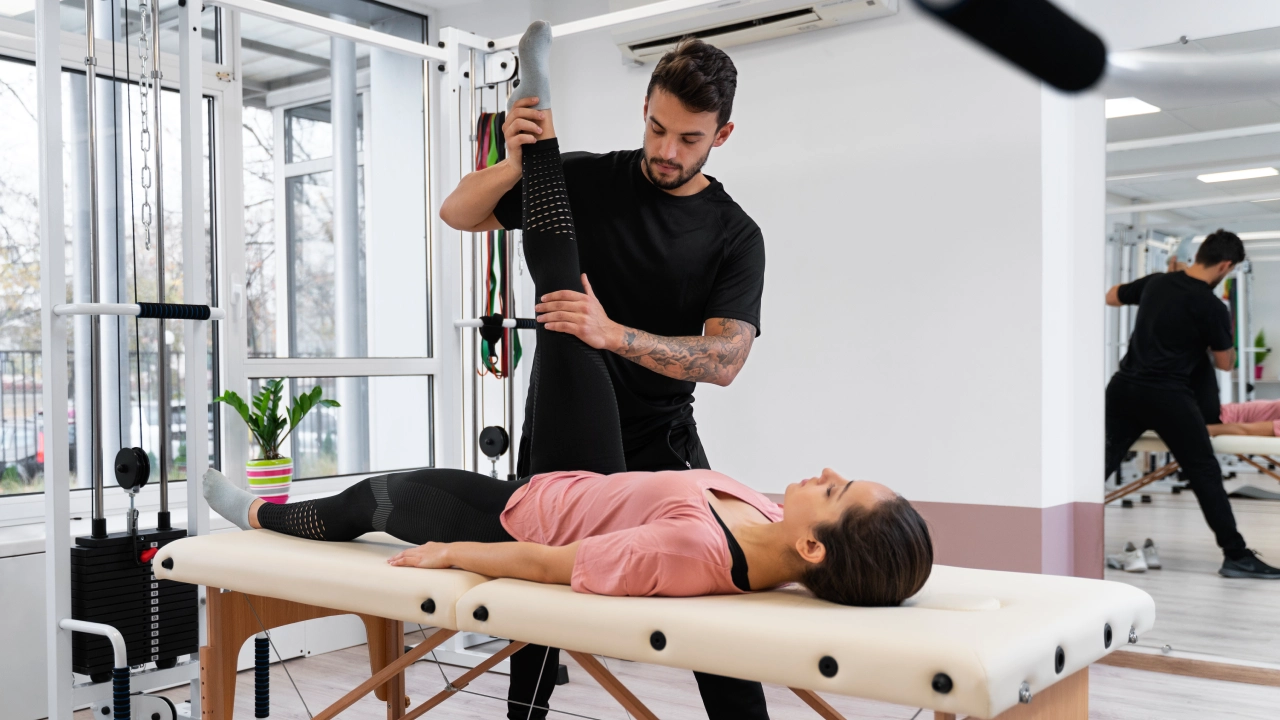
Hands-on techniques may be used to ease stiffness in joints and surrounding tissues, helping improve mobility.

Benefits of Early Care

Addressing spondylitis early can help slow progression and maintain quality of life. Without proper care, the condition may lead to reduced spinal flexibility and changes in posture.

What Early Care Can Support

  • Improved flexibility and movement
  • Reduced stiffness during daily routines
  • Enhanced posture and spinal alignment
  • Greater ease in performing work and recreational activities

Consistency with physiotherapy sessions and home exercises plays a major role in managing symptoms effectively.

What to Expect at Prime Health Physiotherapy

At Prime Health Physiotherapy, each individual receives a thorough assessment to identify movement limitations, posture concerns, and contributing factors. Based on these findings, a structured care plan is developed to address specific needs.

Initial Assessment

The first session includes a detailed review of symptoms, medical history, and physical evaluation. This helps determine the current stage of spondylitis and areas that require attention.

Ongoing Sessions

Follow-up visits focus on guided exercises, progress tracking, and program adjustments as needed. Education on posture and daily habits is also included to support ongoing improvement.

Daily Tips for Managing Spondylitis

In addition to physiotherapy, certain lifestyle habits can support spinal health and reduce discomfort.

Stay Active

Regular low-impact activities such as walking, swimming, or cycling can help maintain mobility.

Maintain Good Posture

Be mindful of posture while sitting, standing, and working. Small adjustments can reduce strain on the spine.

Stretch Regularly

Gentle stretching helps keep muscles flexible and reduces stiffness.

Use Supportive Furniture

Chairs and mattresses that support spinal alignment can make a noticeable difference in daily comfort.

When to Seek Physiotherapy

If you notice ongoing stiffness, reduced mobility, or spine discomfort that does not improve with rest, it may be time to consider physiotherapy. Early assessment can help identify the condition and guide appropriate care.

Book an Appointment

If spondylitis is affecting your daily life, the team at Prime Health Physiotherapy is here to help. A structured physiotherapy plan can support improved movement and help you stay active.

Contact Prime Health Physiotherapy today to schedule your appointment and take the next step toward improved spinal function.

Frequently Asked Question (FAQ)

Spondylitis is typically a long-term condition, but its progression and symptoms can be managed with consistent care and active lifestyle choices.

Yes, regular physiotherapy sessions focused on movement and strengthening can help reduce stiffness and improve flexibility over time.

The frequency depends on the severity of symptoms and individual goals. A physiotherapist will recommend a schedule based on your condition.

Yes, when guided by a physiotherapist, exercises are designed to support spinal health without causing strain.

Yes, in some cases it may affect joints such as hips and shoulders, and occasionally other areas like the eyes or chest.

More Conditions