Call UsBook Appointment

Nerve Root Radiculopathy

Nerve Root Radiculopathy

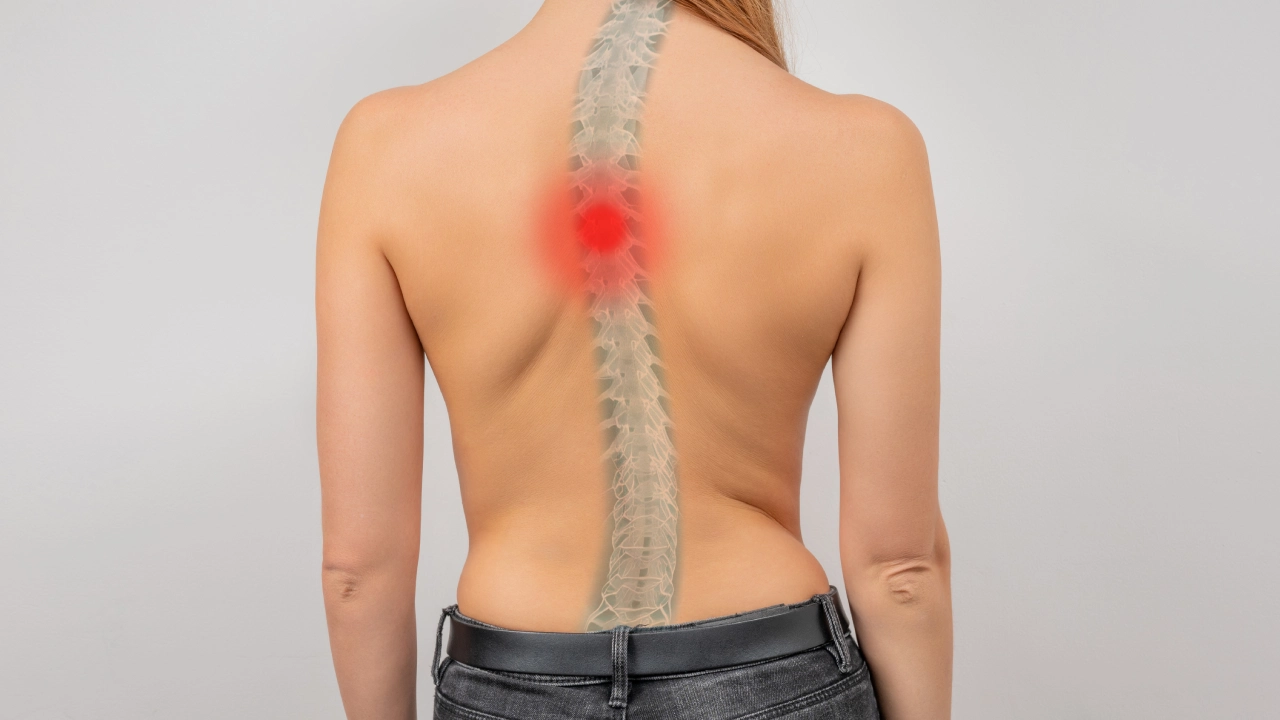
Nerve root radiculopathy can disrupt daily life with sharp, radiating discomfort that travels from the spine into the arms or legs. At Prime Health Physiotherapy, our approach focuses on identifying the root cause and supporting recovery through structured, evidence-based physiotherapy methods.

This condition often develops when a nerve root in the spine becomes compressed or irritated. Whether it affects the neck (cervical spine) or the lower back (lumbar spine), nerve root radiculopathy may cause symptoms beyond simple stiffness, including tingling, numbness, or weakness.

What Is Nerve Root Radiculopathy?

Understanding the Condition

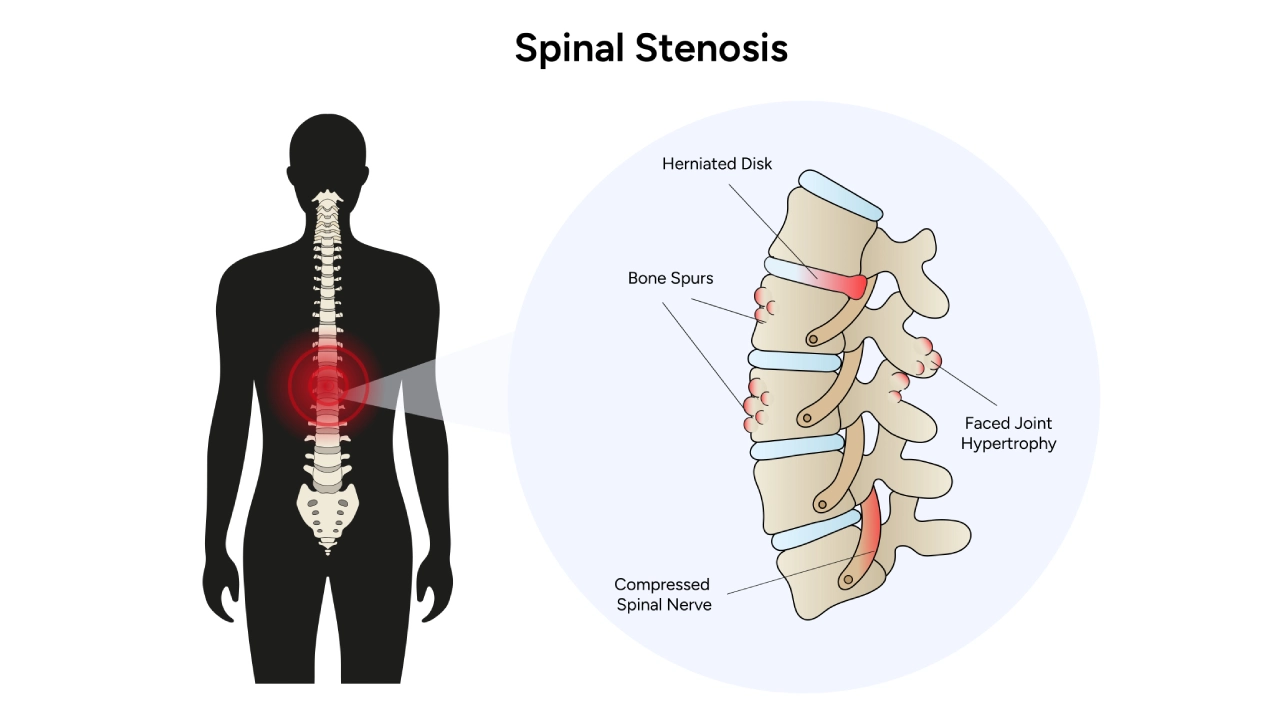
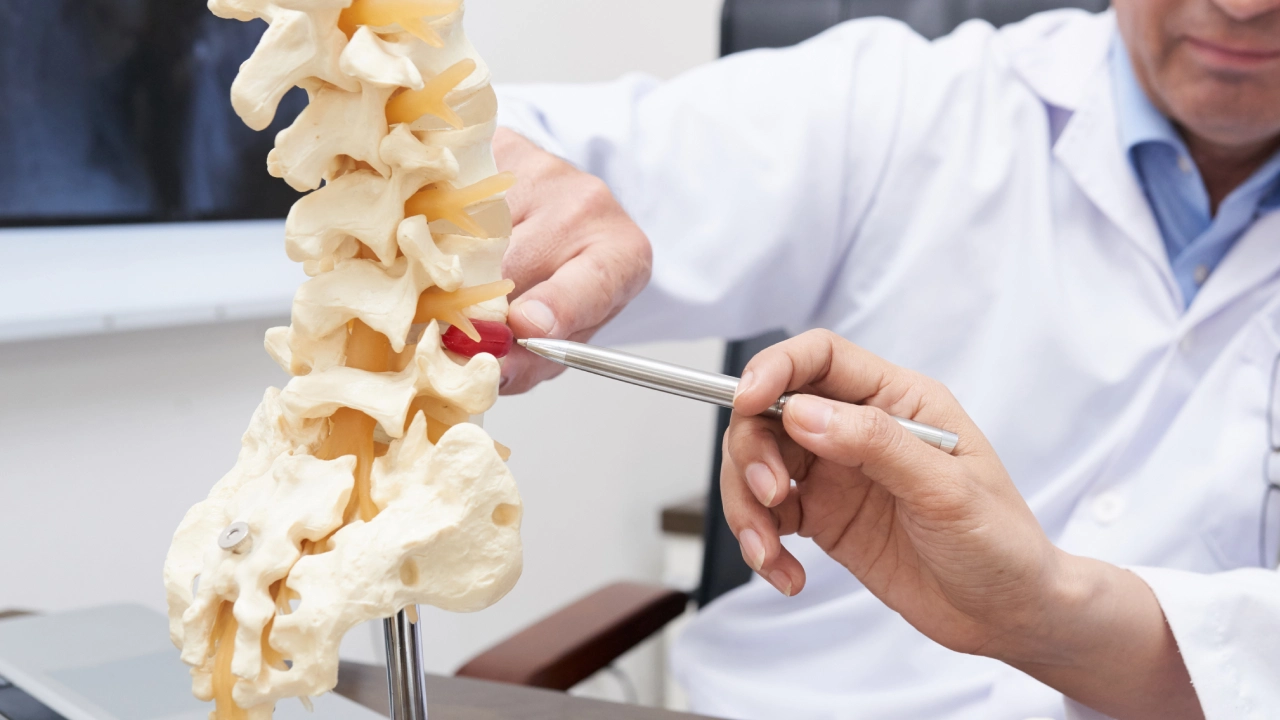
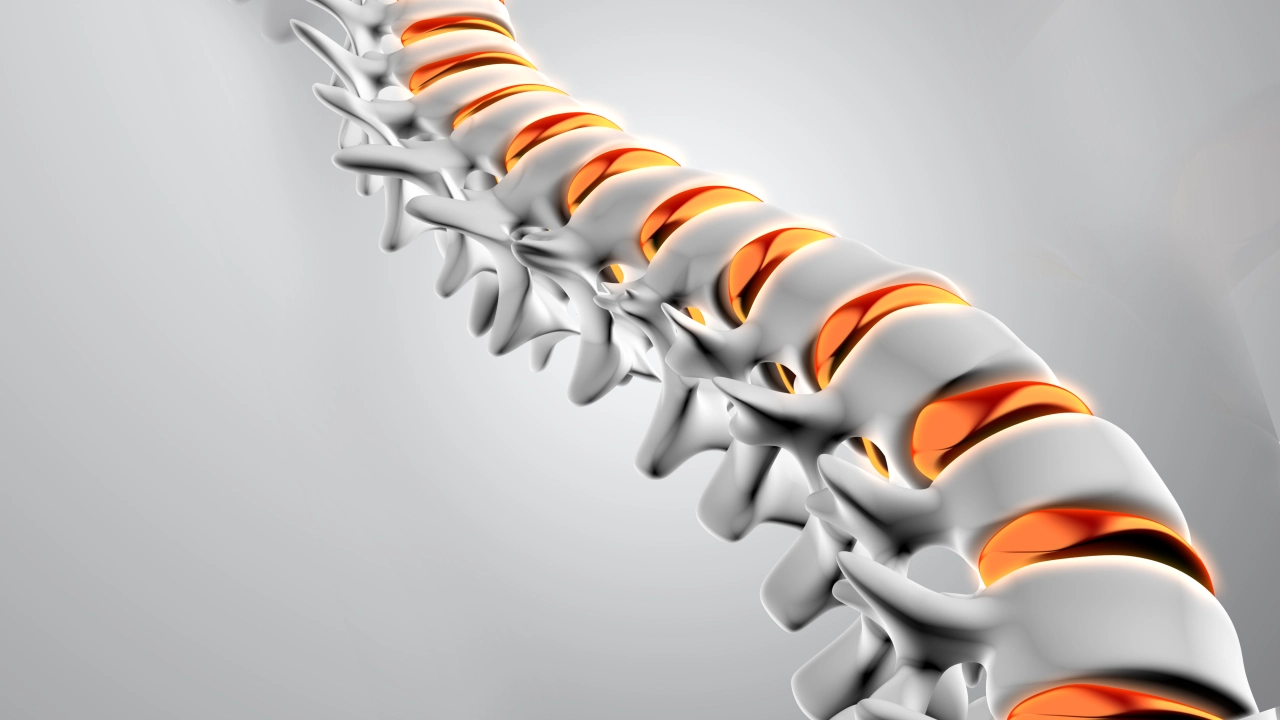
Nerve root radiculopathy occurs when a spinal nerve root is compressed or inflamed. This pressure can interfere with nerve signals, leading to discomfort along the nerve’s pathway.

The condition is commonly associated with:

  • Herniated discs
  • Degenerative spinal changes
  • Bone spurs
  • Spinal narrowing

Depending on the affected area, symptoms may appear in different parts of the body. Cervical radiculopathy may impact the shoulders and arms, while lumbar radiculopathy often affects the hips, legs, or feet.

Common Symptoms of Nerve Root Radiculopathy

Recognizing Early Signs

Symptoms can vary in intensity and may develop gradually or suddenly. Some of the most reported signs include:

  • Radiating discomfort from the spine to the limbs
  • Tingling or “pins and needles” sensations
  • Numbness in specific areas
  • Muscle weakness
  • Reduced coordination or grip strength

These symptoms may worsen with certain movements such as bending, twisting, or prolonged sitting.

Causes and Risk Factors

Why Nerve Root Compression Happens

Several factors can contribute to nerve root radiculopathy. Age-related wear and tear is one of the most common causes, but lifestyle and physical stress also contribute.

Key contributors include:

  • Repetitive strain from work or sports
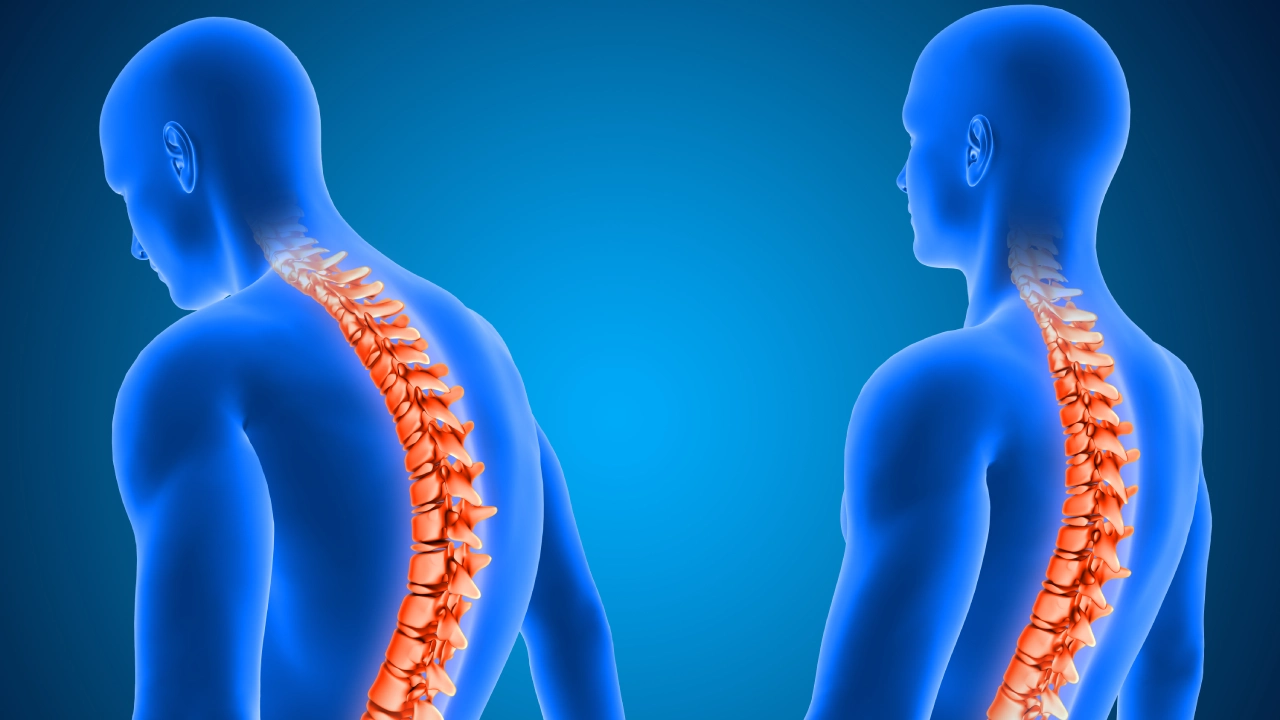
  • Poor posture over time
  • Sudden injury or trauma
  • Sedentary habits
  • Lifting heavy objects incorrectly

Identifying these contributing factors is an important step toward improving mobility and preventing recurrence.

How Physiotherapy Supports Recovery

Structured Care for Nerve Function and Mobility

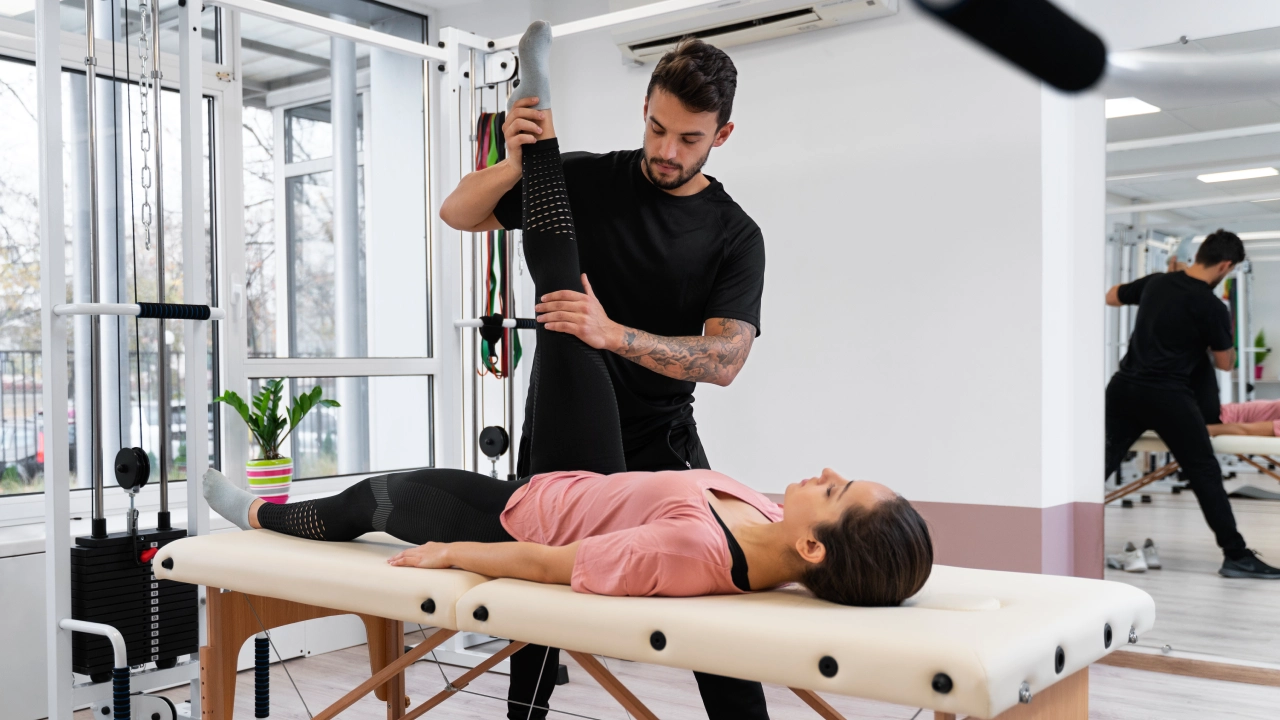
At Prime Health Physiotherapy, treatment plans are built around restoring movement, reducing nerve irritation, and strengthening the surrounding structures.

Your care plan may include:

  • Guided movement exercises to improve flexibility.
  • Strength-building routines for spinal support
  • Postural correction strategies
  • Manual therapy techniques to reduce tension
  • Nerve gliding exercises to promote proper nerve movement

Each step is focused on improving how your body moves while reducing pressure on affected nerves.

Benefits of Early Intervention

Addressing Symptoms Before They Progress

Seeking physiotherapy care early can help prevent symptoms from worsening. When nerve irritation is left unaddressed, it may lead to long-term movement restrictions or muscle weakness.

Early care can help:

  • Reduce the intensity of symptoms.
  • Improve range of motion.
  • Support muscle strength
  • Restore normal daily function.
  • Minimize the risk of recurring issues.

Daily Habits That Can Make a Difference

Supporting Your Recovery Outside the Clinic

Alongside physiotherapy sessions, small changes in daily routines can help maintain progress.

Consider:

  • Maintaining proper posture while sitting and standing
  • Taking breaks during long periods of desk work
  • Using ergonomic chairs or workstations
  • Practising safe lifting techniques
  • Staying active with low-impact exercises

Consistency with these habits plays a key role in long-term spinal health.

When to Seek Professional Care

Signs You Should Not Ignore

If symptoms persist or begin interfering with daily tasks, it is important to seek professional evaluation.

You should consider booking an appointment if you notice:

  • Persistent radiating discomfort
  • Numbness that does not improve
  • Weakness in arms or legs
  • Difficulty performing routine activities
  • Symptoms worsening over time

A timely assessment can help determine the source of the issue and guide appropriate care.

Why Choose Prime Health Physiotherapy?

Focused Approach to Spinal Conditions

At Prime Health Physiotherapy, care is centred around accurate assessment and structured rehabilitation. Each individual receives a plan tailored to their condition, mobility level, and recovery goals.

Our clinic emphasizes:

  • One-on-one physiotherapy sessions
  • Evidence-based techniques
  • Clear progress tracking
  • Education on movement and posture
  • Support throughout the recovery process

Book an Appointment

If you are experiencing symptoms related to nerve root radiculopathy, taking action early can help restore comfort and function.

Contact Prime Health Physiotherapy today to schedule your assessment and begin your path toward improved mobility.

Frequently Asked Question (FAQ)

It is most often caused by compression or irritation of a spinal nerve root, often due to disc issues, bone changes, or spinal narrowing.

In some cases, mild symptoms may ease over time. However, persistent or worsening symptoms should be assessed to avoid further complications.

Recovery time varies depending on the severity of the condition and individual factors. Some people notice improvement within weeks, while others may require a longer period of structured care.

Yes, physiotherapy focuses on reducing nerve irritation, improving mobility, and strengthening the body to support recovery and prevent recurrence.

Many daily activities can be continued with modifications. A physiotherapist can provide direction on safe movement and activity levels based on your condition.

More Conditions