Spinal Stenosis
Spinal Stenosis Care
Spinal stenosis can affect everyday movement, making simple tasks like walking, bending, or standing for extended periods feel difficult. At Prime Health Physiotherapy, our focus is on helping individuals manage symptoms, improve mobility, and return to daily routines with confidence.
What is Spinal Stenosis?
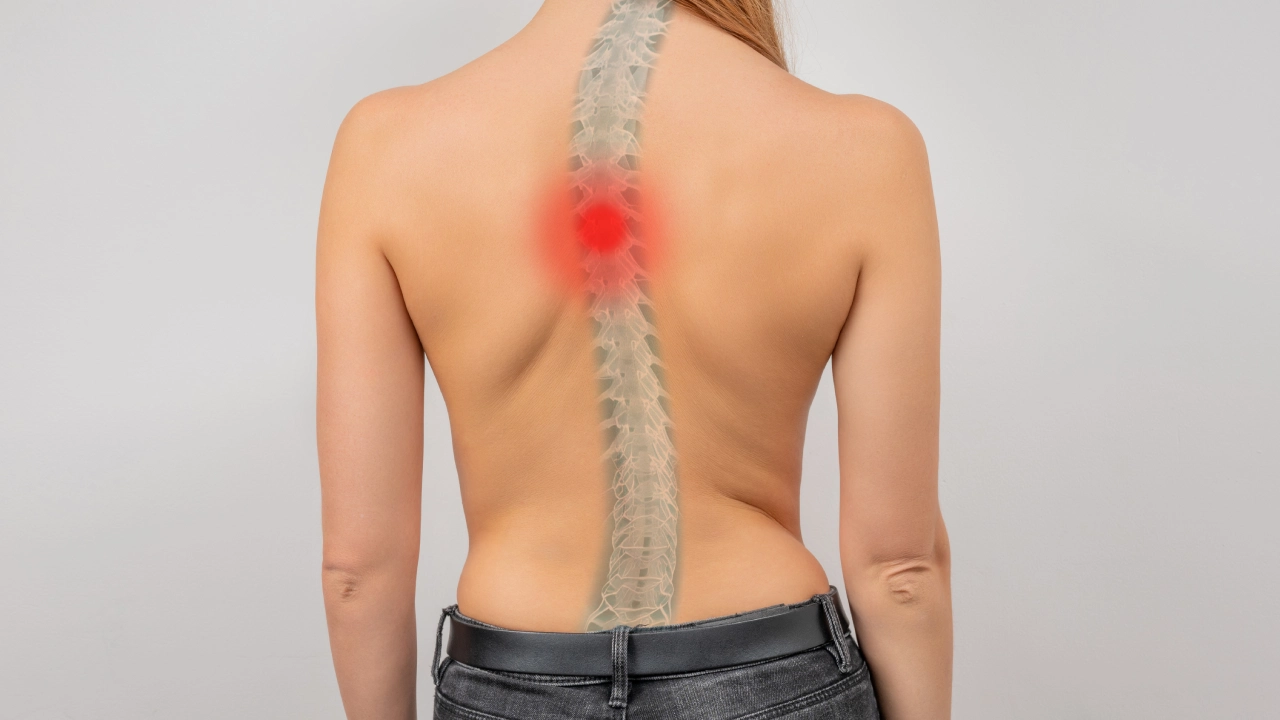
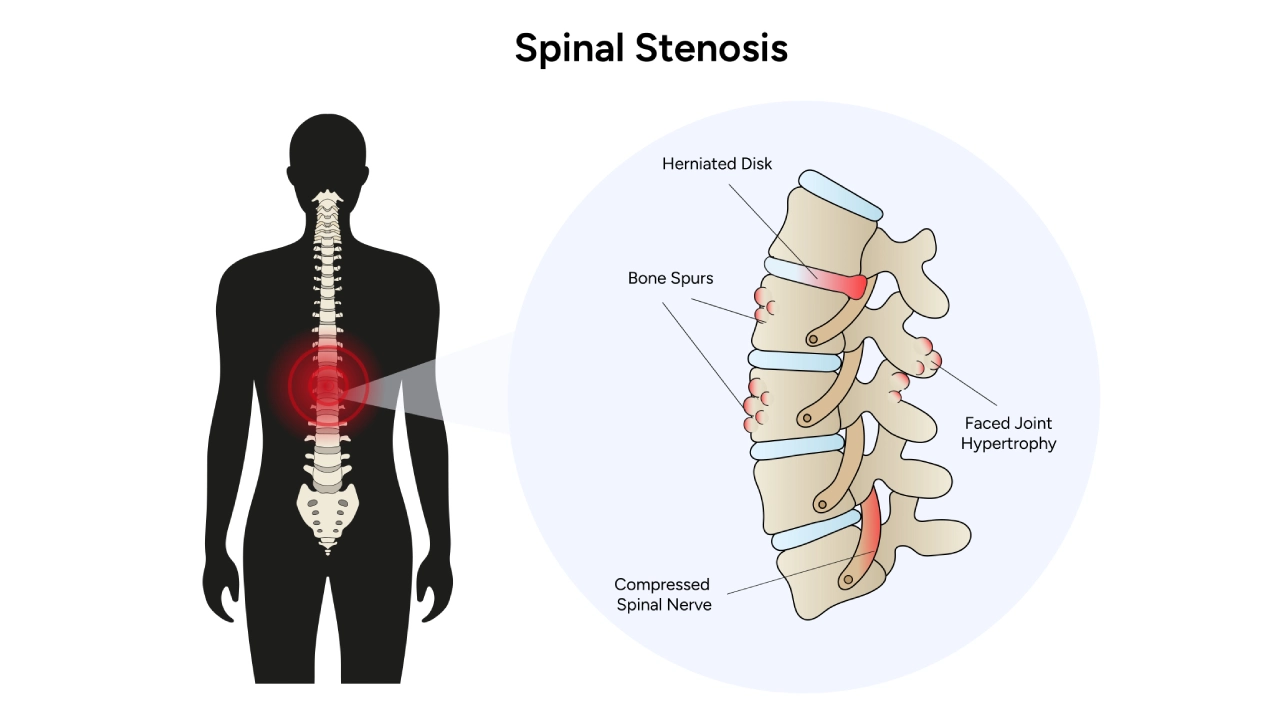
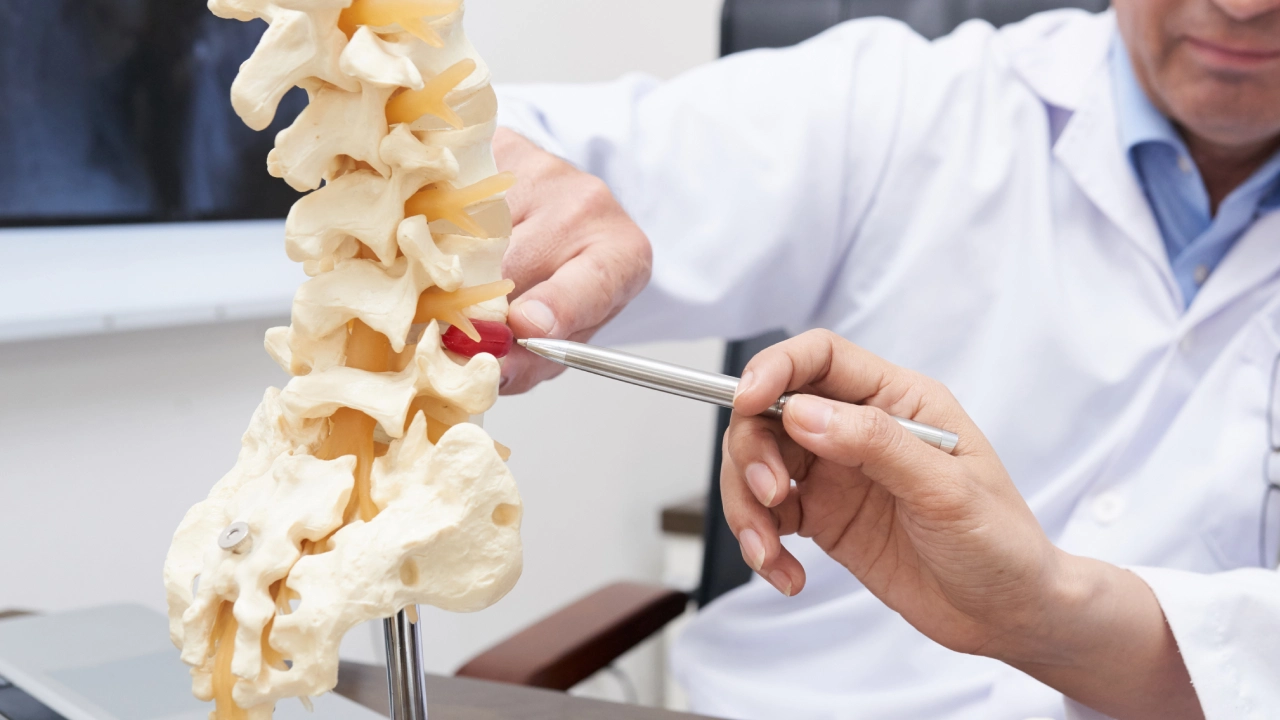
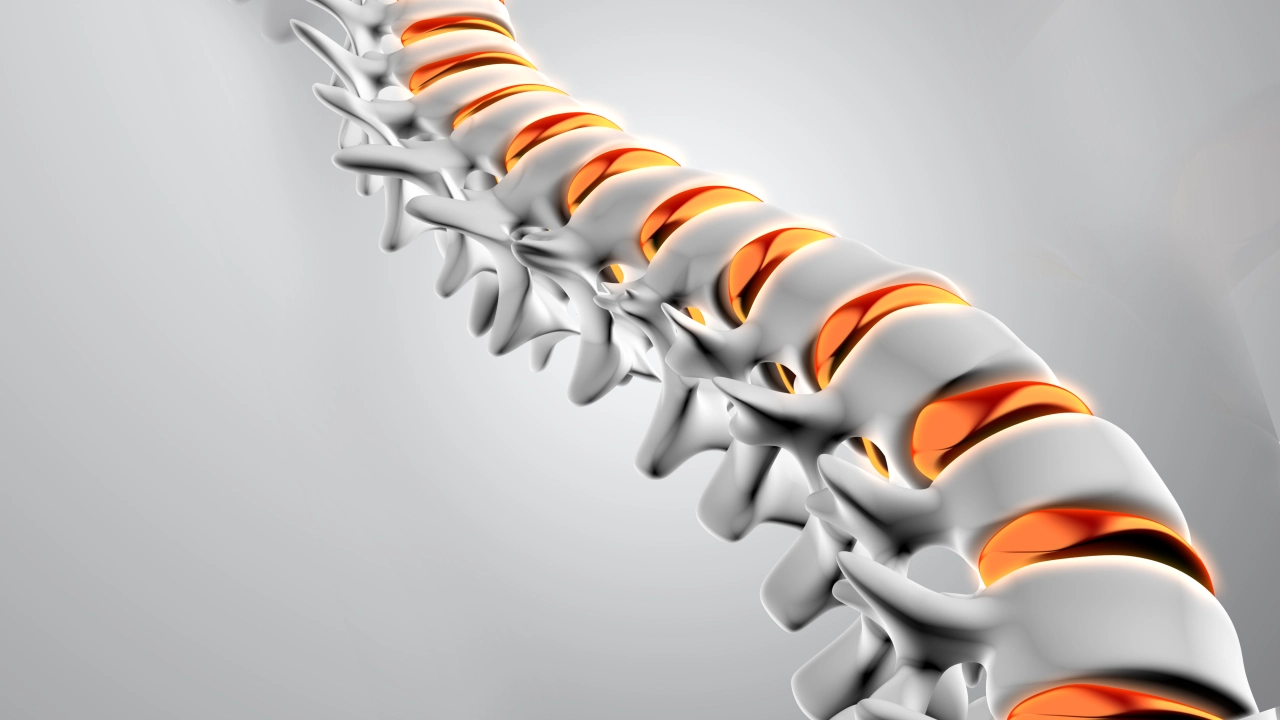
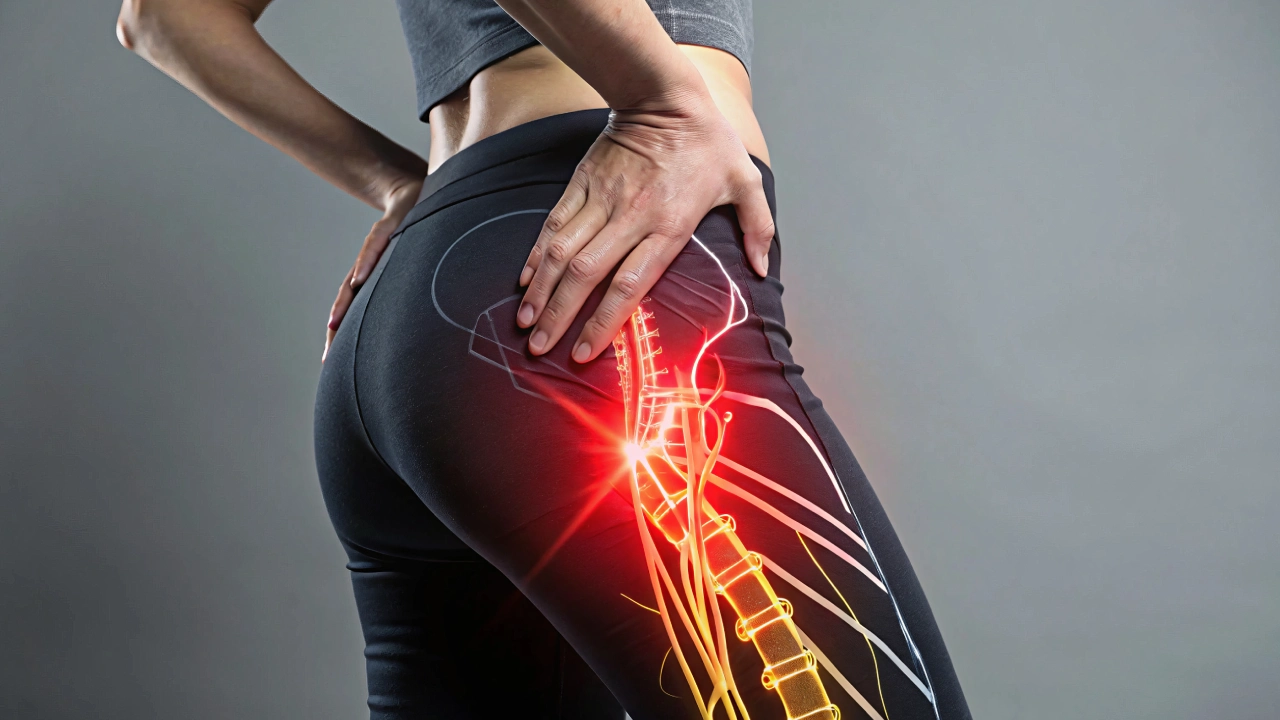
Spinal stenosis refers to a narrowing of spaces within the spine, which can place pressure on the spinal cord and nerves. This condition often develops gradually and is commonly linked to age-related changes in the spine.
It can occur in different areas, including:
- Cervical spine (neck)
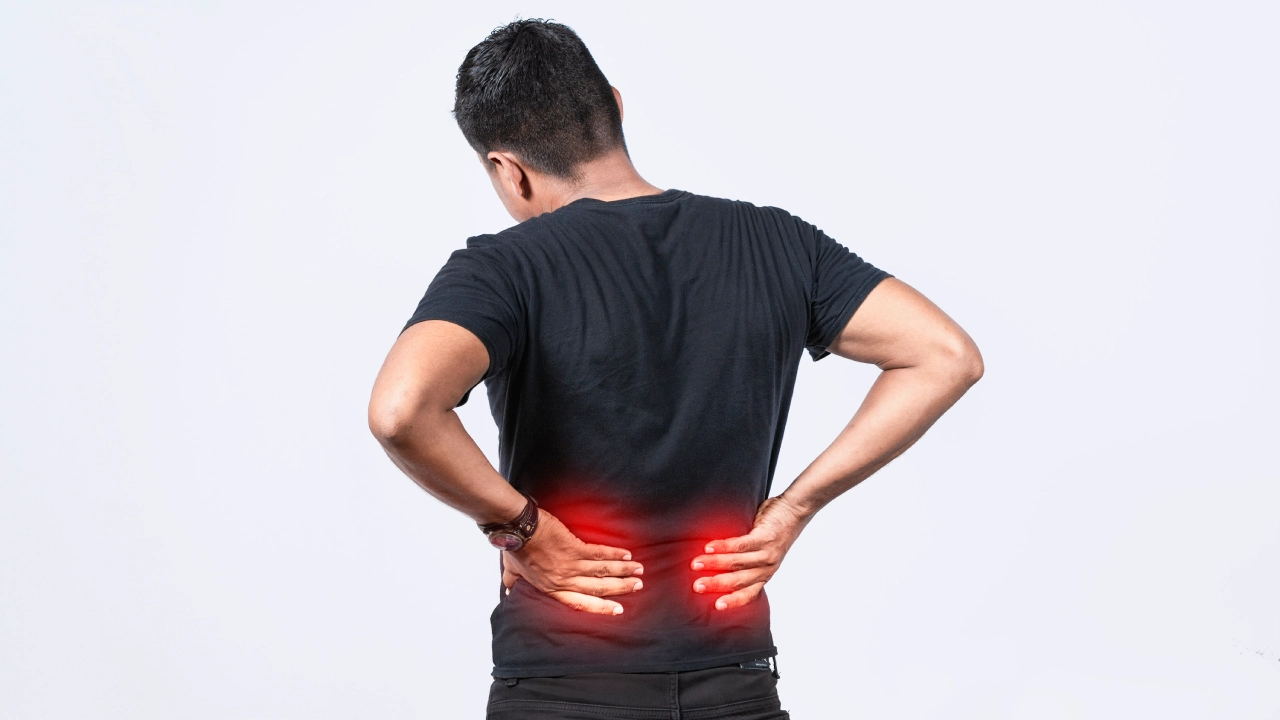
- Lumbar spine (lower back)
Lumbar spinal stenosis is more common and often affects walking and posture.
Common Signs and Symptoms
Recognizing Spinal Stenosis Early
Symptoms can vary depending on the severity and location of the narrowing. Some individuals may notice mild discomfort, while others may experience more noticeable limitations.
Common symptoms include:
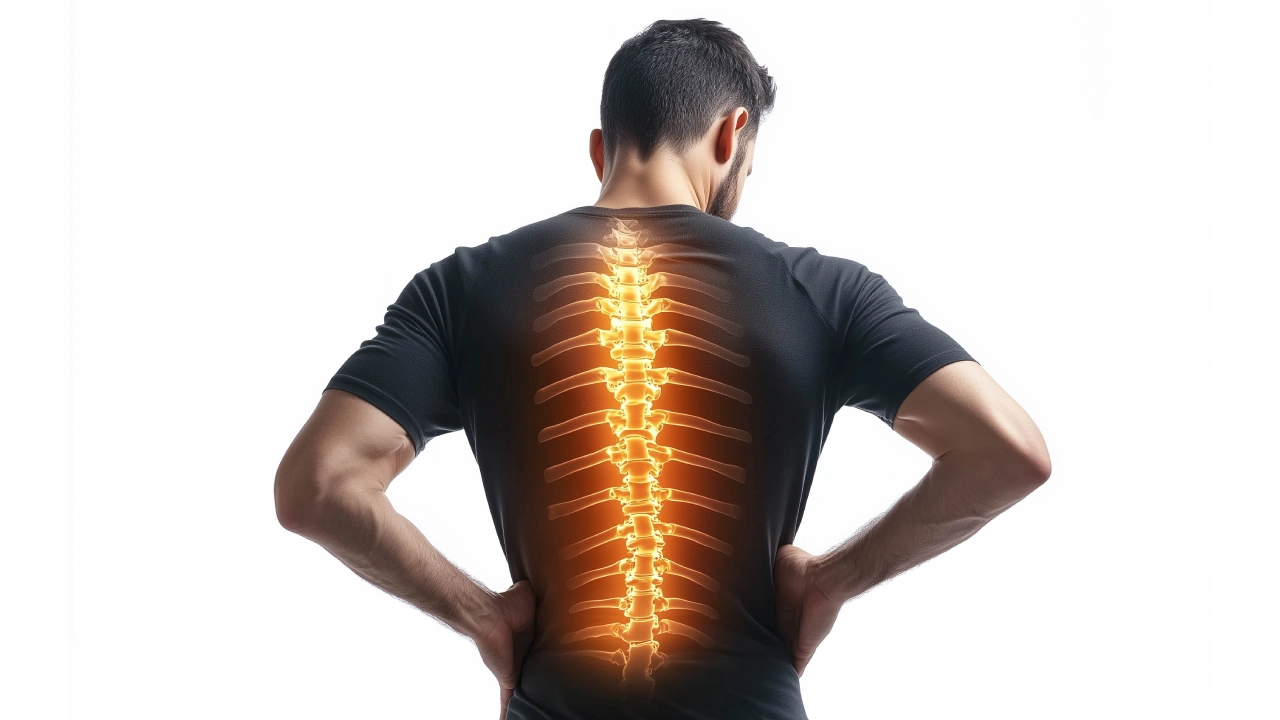
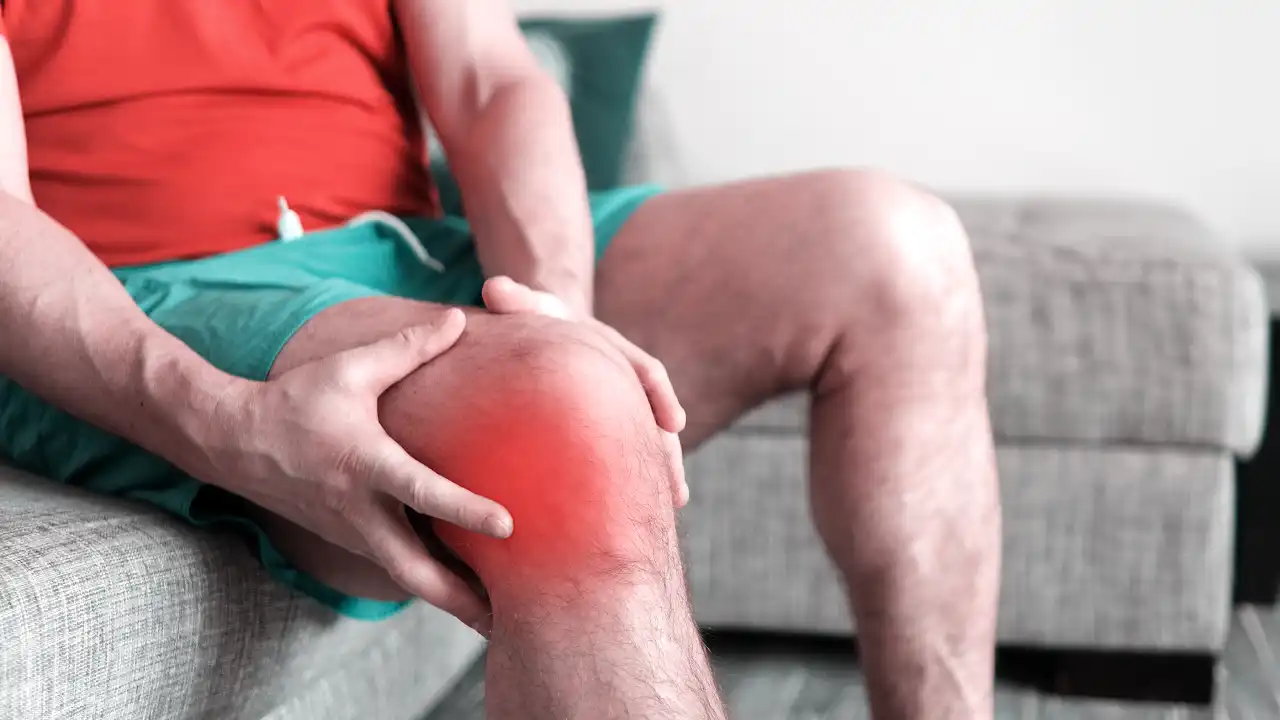
- Pain in the lower back or neck
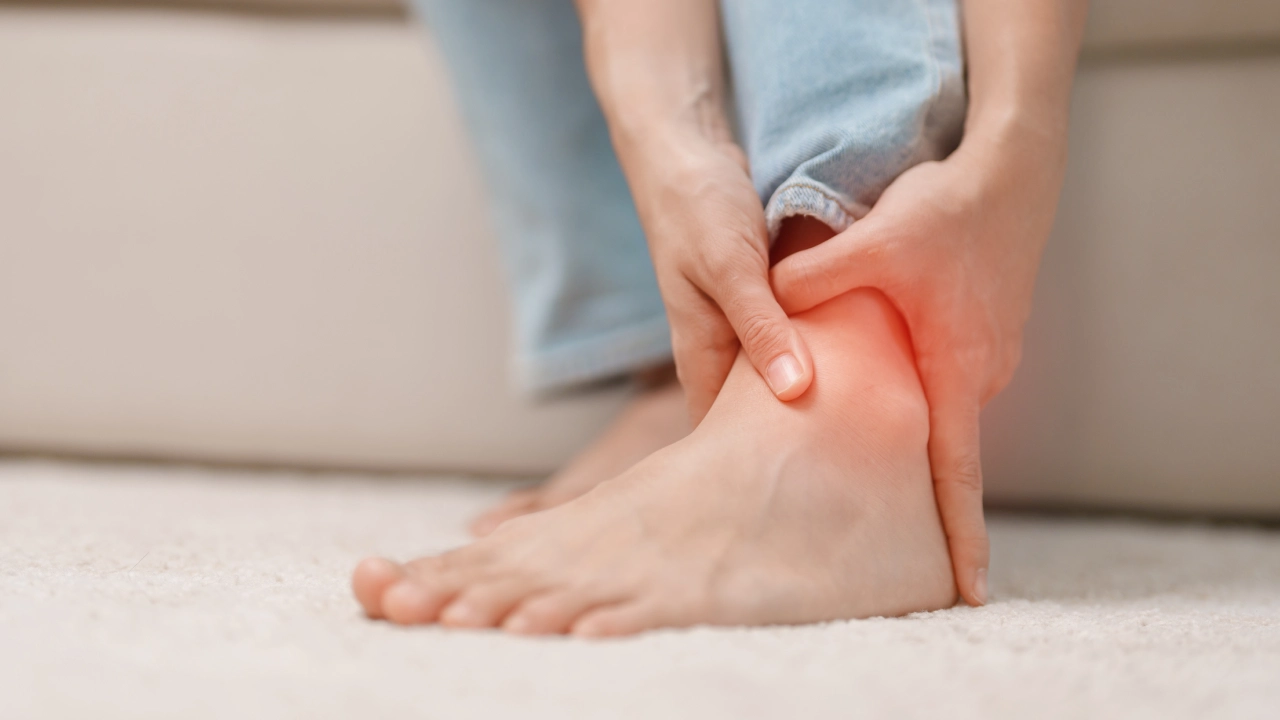
- Numbness or tingling in arms, legs, or feet
- Weakness in muscles
- Difficulty walking or standing for long periods
- Pain that improves when bending forward or sitting
If these symptoms persist, it may indicate spinal stenosis and should be assessed by a physiotherapy clinic.
Causes of Spinal Stenosis
Why Does Spinal Narrowing Occur?
Several factors can contribute to spinal stenosis, including:
- Age-related degeneration
- Thickened ligaments
- Herniated discs
- Bone spurs
- Previous injuries or trauma
These changes can reduce the available space for nerves, leading to discomfort and reduced mobility.
How Physiotherapy Can Help
Managing Spinal Stenosis Through Movement
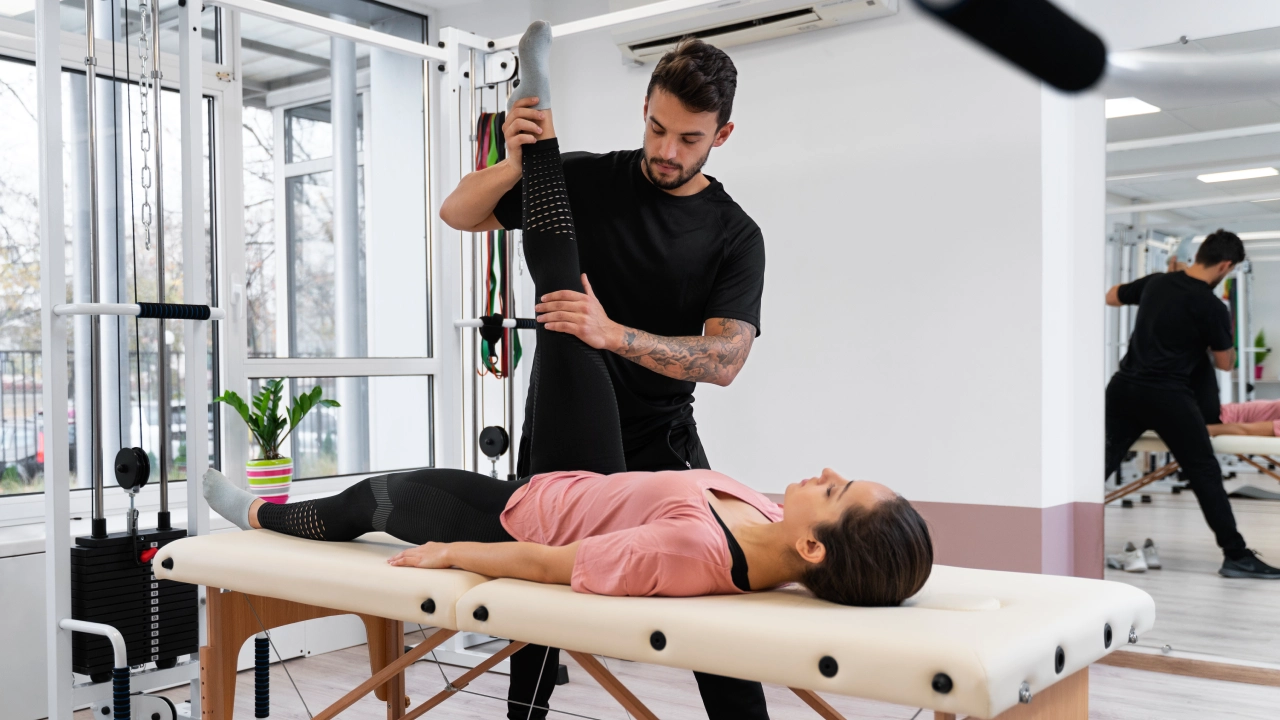
Physiotherapy plays a key role in managing spinal stenosis. At Prime Health Physiotherapy, treatment plans focus on improving strength, flexibility, and posture to reduce strain on the spine.
Key Approaches Include:
1. Targeted Exercises
Exercises help strengthen muscles that support the spine, improving stability and reducing stress on affected areas.
2. Stretching Programs
Stretching helps maintain flexibility and can reduce stiffness in the back, hips, and legs.
3. Posture Correction
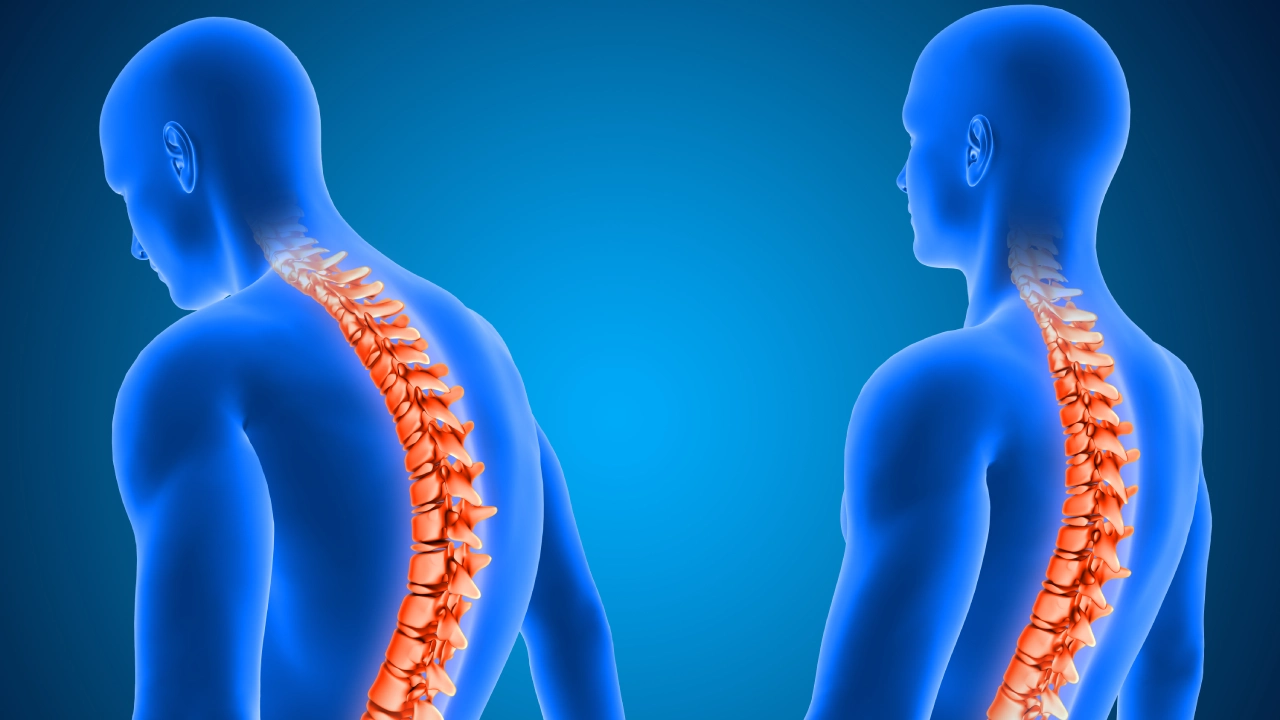
Improving posture can help reduce pressure on the spinal canal and nerves.
4. Manual Therapy
Hands-on techniques may help improve joint mobility and ease stiffness.
5. Activity Modification
Simple adjustments to daily activities can reduce discomfort and support safer movement patterns.
Benefits of Physiotherapy for Spinal Stenosis
Improving Daily Function
With consistent care, physiotherapy may help:
- Increase mobility and flexibility.
- Reduce stiffness
- Improve walking tolerance
- Support better posture
- Strengthen supporting muscles
These improvements can make daily tasks more manageable and reduce the impact of symptoms on routine activities.
When to Seek Physiotherapy
Don’t Ignore Persistent Symptoms
Consider visiting Prime Health Physiotherapy if you experience:
- Ongoing back or neck discomfort
- Difficulty standing or walking
- Numbness or tingling in limbs
- Reduced range of motion
Early assessment can help identify the cause and begin an appropriate care plan.
What to Expect at Prime Health Physiotherapy
Your First Visit
During your initial appointment, a physiotherapist will:
- Review your symptoms and medical history.
- Assess movement, strength, and posture.
- Identify areas of concern.
- Develop a structured care plan.
Ongoing Care
Your sessions may include guided exercises, movement training, and progress tracking to support gradual improvement.
Preventing Symptom Progression
Everyday Tips for Spinal Health
While spinal stenosis may not always be preventable, certain habits can support spinal function:
- Stay active with low-impact exercises.
- Maintain a healthy posture.
- Avoid prolonged sitting or standing.
- Use proper lifting techniques.
- Keep core muscles engaged.
These practices can help reduce strain on the spine and support long-term mobility.
Book an Appointment
If spinal stenosis is affecting your daily routine, Prime Health Physiotherapy is here to help. A structured physiotherapy plan can support improved movement and help you return to your usual activities.
Book an appointment today and take the first step toward improved mobility.
Frequently Asked Question (FAQ)
The most common cause is age-related changes in the spine, such as disc wear, thickened ligaments, and bone growths.
Spinal stenosis does not typically reverse on its own, but symptoms can be managed with physiotherapy and lifestyle adjustments.
Yes, walking can be helpful, especially when done in moderation. Many people find relief when walking slightly bent forward.
Progress varies depending on the individual and the severity of the condition. Some people notice improvements within a few weeks of consistent sessions.
No, many cases can be managed without surgery through physiotherapy and activity modification.