Dizziness & Vertigo
Dizziness & Vertigo Care
Feeling unsteady, light-headed, or as though the room is spinning can interfere with daily activities and make even simple movements uncomfortable. Dizziness & vertigo are common concerns that affect people of different ages and lifestyles. These sensations can arise suddenly or develop gradually, often affecting balance, coordination, and the ability to focus on everyday tasks.
At Prime Health Physiotherapy, individuals experiencing dizziness & vertigo receive movement-focused physiotherapy care aimed at identifying the cause of imbalance and supporting the body’s natural balance system. Through structured assessment and targeted physical techniques, our team works to improve stability, coordination, and movement confidence.
This page explains common causes, symptoms, and physiotherapy approaches used for dizziness & vertigo, helping people understand how movement-based care can support daily functioning.
What Are Dizziness & Vertigo?
Although the terms are often used interchangeably, dizziness & vertigo refer to slightly different sensations.
Dizziness usually describes a feeling of light-headedness, imbalance, or faintness. It may feel as though the body is swaying or that the environment is unstable.
Vertigo, on the other hand, often involves a spinning or rotational sensation. People with vertigo may feel as if the room is moving around them or that they are rotating even while standing still.
Both dizziness and vertigo can disrupt routine activities such as walking, bending, driving, or reading. When these sensations persist or appear repeatedly, professional assessment can help determine the source of the problem.
Common Causes of Dizziness & Vertigo
There are many possible reasons why dizziness & vertigo occur. These sensations are frequently linked to the body’s balance system, which involves the inner ear, the brain, and sensory input from muscles and joints.
Inner Ear Conditions
Many cases of dizziness & vertigo originate in the inner ear, which plays a vital role in maintaining balance. Conditions such as benign paroxysmal positional vertigo (BPPV) occur when tiny crystals in the inner ear become displaced. This can cause sudden spinning sensations when the head changes position.
Vestibular System Changes
The vestibular system helps the brain interpret head movement and body orientation. When this system is disrupted, the brain may receive conflicting signals, leading to dizziness & vertigo.
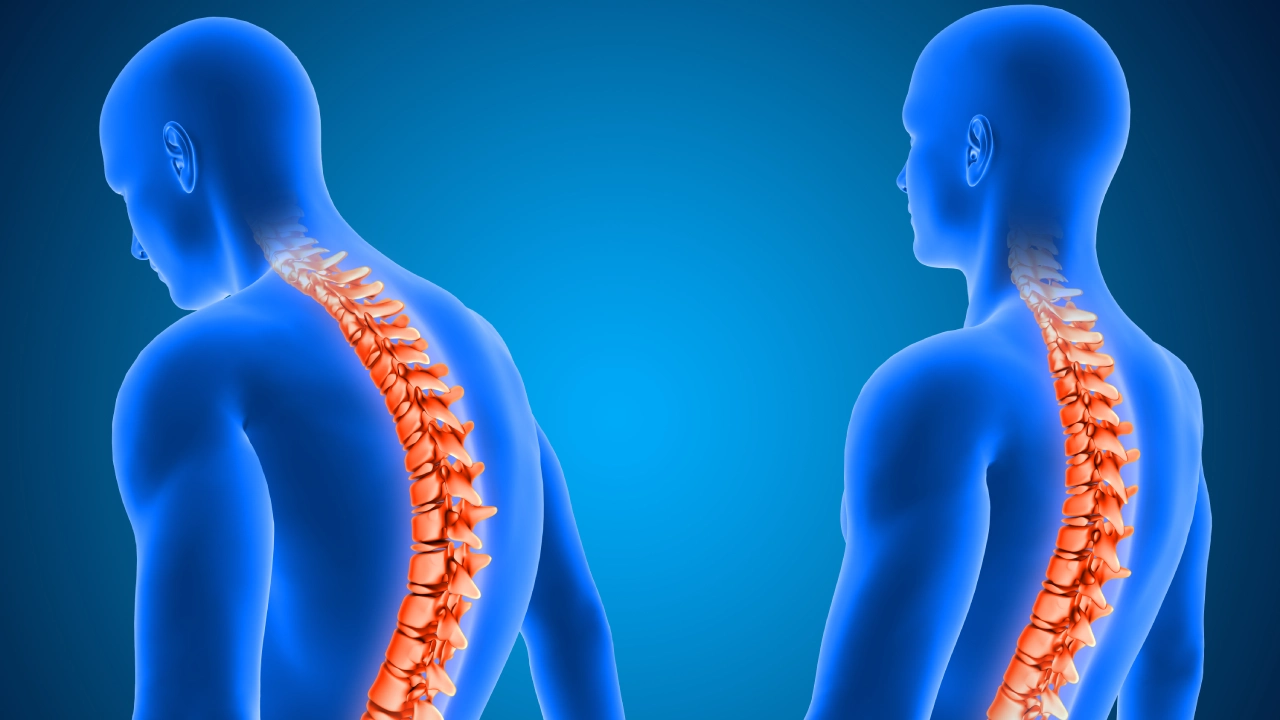
Head or Neck Strain
Tension, strain, or neck injury can sometimes contribute to balance disturbances. Changes in posture, prolonged desk work, or sudden movement may influence how the body processes spatial orientation.
Circulation or Sensory Factors
Circulatory changes, dehydration, or sensory disruptions can also trigger episodes of dizziness & vertigo. Because multiple systems work together to maintain balance, identifying the contributing factors is an important step in physiotherapy care.
Symptoms Often Linked to Dizziness & Vertigo
The experience of dizziness & vertigo varies widely from person to person. Some individuals may feel a mild sense of imbalance, while others experience more intense spinning sensations.
Common symptoms may include:
- A spinning or whirling sensation
- Feeling light-headed or faint
- Difficulty maintaining balance
- Nausea during movement
- Sensitivity to head position changes.
- Trouble focusing while walking or standing
Episodes may last seconds, minutes, or longer, depending on the underlying cause. If these sensations occur repeatedly or interfere with daily movement, a physiotherapy assessment can help determine the next steps.
How Physiotherapy Supports Dizziness & Vertigo
Movement-based care plays an important role in managing dizziness & vertigo. Physiotherapists trained in vestibular rehabilitation assess how the balance system responds to movement and develop strategies to improve stability.
Vestibular Assessment
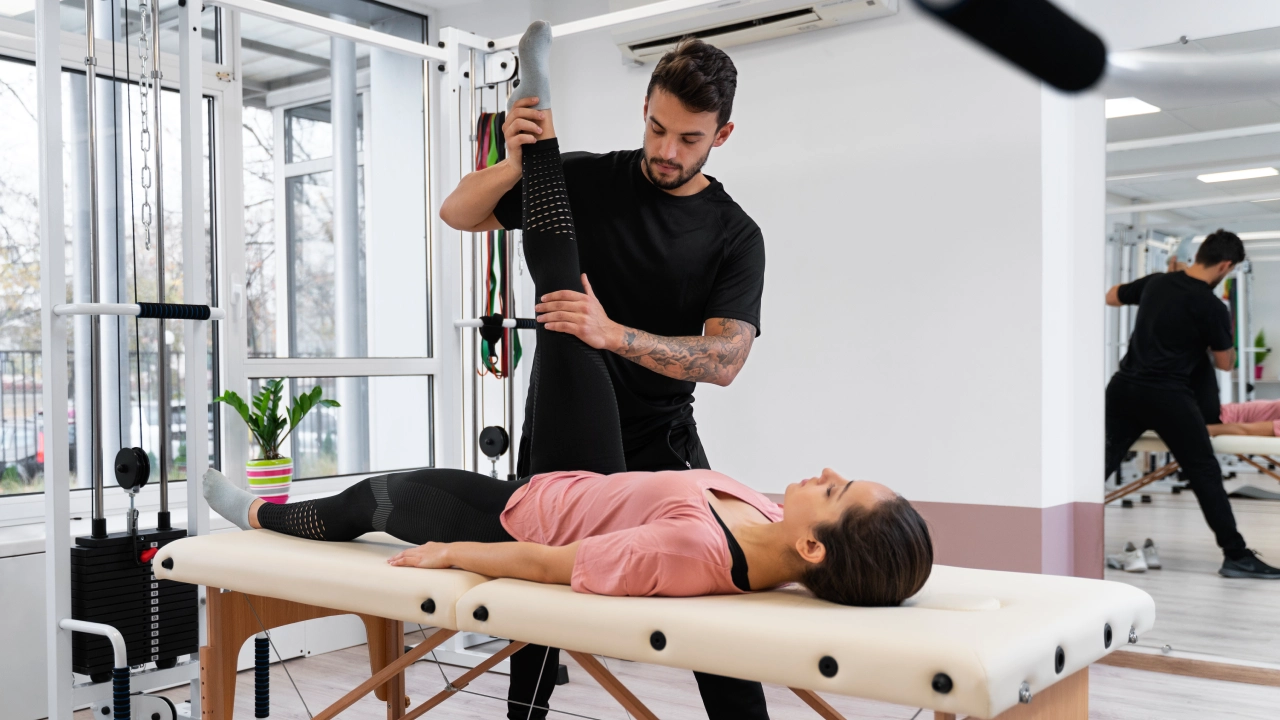
At Prime Health Physiotherapy, the process begins with a detailed movement and balance assessment. Physiotherapists evaluate head motion, eye coordination, posture, and walking patterns to determine how dizziness & vertigo affect daily activity.
This assessment helps identify whether the symptoms originate in the inner ear, from neck movement, from sensory processing, or from another contributing factor.
Repositioning Techniques
When dizziness & vertigo are related to BPPV, repositioning techniques may be used. These movements guide displaced inner-ear crystals back to their correct location. The process often involves controlled head and body positions performed under professional supervision.
Balance and Stability Exercises
Targeted balance exercises form an important part of physiotherapy for dizziness & vertigo. These activities encourage the brain and body to work together more efficiently when processing movement and orientation.
Exercises may involve:
- Controlled head movements
- Standing balance drills
- Walking coordination practice
- Visual tracking activities
Over time, these exercises help strengthen the connection between the vestibular system, vision, and body movement.
Movement Adaptation Strategies
In some cases, physiotherapy focuses on helping the body adapt to motion sensitivity. Gradual exposure to specific movements allows the brain to become more comfortable with motion signals, reducing the intensity of dizziness & vertigo during everyday activities.
Everyday Situations Affected by Dizziness & Vertigo
People experiencing dizziness & vertigo often notice symptoms during routine movements that involve head motion or changes in head position.
These situations may include:
- Getting out of bed
- Looking up or bending down
- Walking through busy environments
- Turning the head quickly
- Riding in vehicles or elevators
Because balance relies on coordination among multiple systems, physiotherapy addresses these movement patterns to support safer, more comfortable mobility.
When to Seek Physiotherapy for Dizziness & Vertigo
Occasional light-headedness may occur due to fatigue or dehydration. However, persistent or recurring dizziness & vertigo may indicate a balance system disruption that benefits from professional evaluation.
People often consider physiotherapy if they experience:
- Repeated episodes of spinning sensations
- Difficulty walking in straight lines
- Balance issues during daily tasks
- Symptoms triggered by head movement
- Ongoing motion sensitivity
A physiotherapy assessment can help determine whether vestibular rehabilitation or other movement-based strategies are appropriate.
Physiotherapy Environment at Prime Health Physiotherapy
At Prime Health Physiotherapy, individuals experiencing dizziness & vertigo receive structured physiotherapy care focused on balance and movement coordination. Each session is guided by physiotherapists trained in vestibular rehabilitation techniques.
The clinic environment encourages clear communication, steady progress, and consistent monitoring of movement patterns. By focusing on posture, balance, and controlled motion, physiotherapy helps individuals navigate daily tasks with greater stability.
Supporting Long-Term Balance and Movement
Balance is a complex process that depends on the cooperation of the inner ear, vision, muscles, and the nervous system. When one part of this system becomes disrupted, sensations such as dizziness & vertigo may develop.
Physiotherapy focuses on restoring coordination between these systems through structured exercises and guided movement techniques. By strengthening balance responses and improving motion tolerance, individuals often regain confidence in everyday activities such as walking, turning, and changing positions.
Through focused physiotherapy care, people experiencing dizziness & vertigo can work toward improved stability and more comfortable movement throughout their daily routines.
Frequently Asked Question (FAQ)
Although they are often used together, dizziness & vertigo describe different sensations. Dizziness usually refers to feeling light-headed, unsteady, or off balance. Vertigo typically involves a spinning or rotating sensation, as if the room or surroundings are moving.
There are several possible causes of dizziness & vertigo. Inner ear disturbances are among the most common reasons, particularly benign paroxysmal positional vertigo (BPPV). Neck strain, changes in circulation, or issues affecting the body’s balance system may also contribute to these sensations.
Physiotherapy can address dizziness & vertigo through vestibular rehabilitation techniques. These may include balance exercises, guided head movements, and repositioning manoeuvres for inner ear conditions. These methods focus on improving coordination between the brain, eyes, and balance system.
The duration of dizziness & vertigo depends on the underlying cause. Some people experience brief episodes lasting seconds or minutes, while others may have recurring symptoms over a longer period. A physiotherapy assessment can help determine the source of the issue and identify suitable movement-based strategies.
People often seek physiotherapy if dizziness & vertigo occur repeatedly, affect walking or balance, or appear when moving the head or changing positions. If these sensations interfere with daily activities such as standing, walking, or driving, a professional assessment may help identify the contributing factors.