Bursitis
Bursitis
At Prime Health Physiotherapy, we help individuals dealing with bursitis return to comfortable, everyday movement. Bursitis can affect your ability to work, exercise, or even complete simple daily tasks. With the right approach, it’s possible to reduce irritation and restore normal function without relying on invasive methods.
What Is Bursitis?
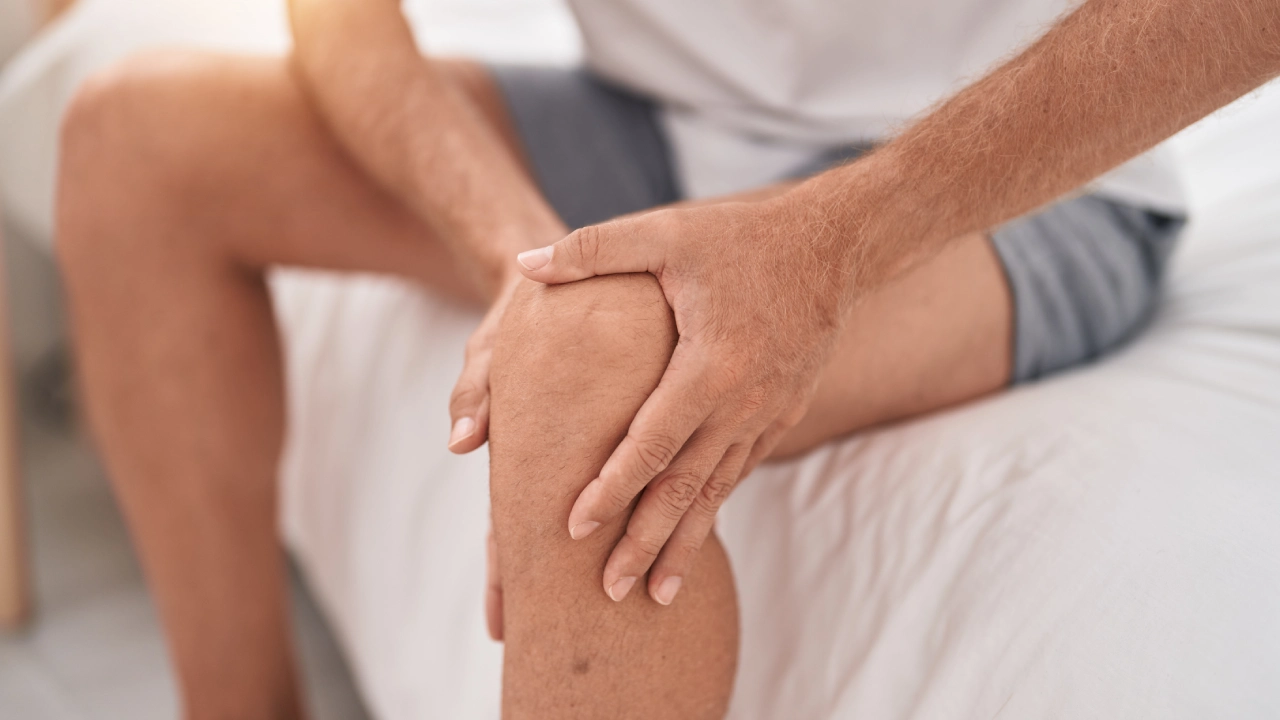
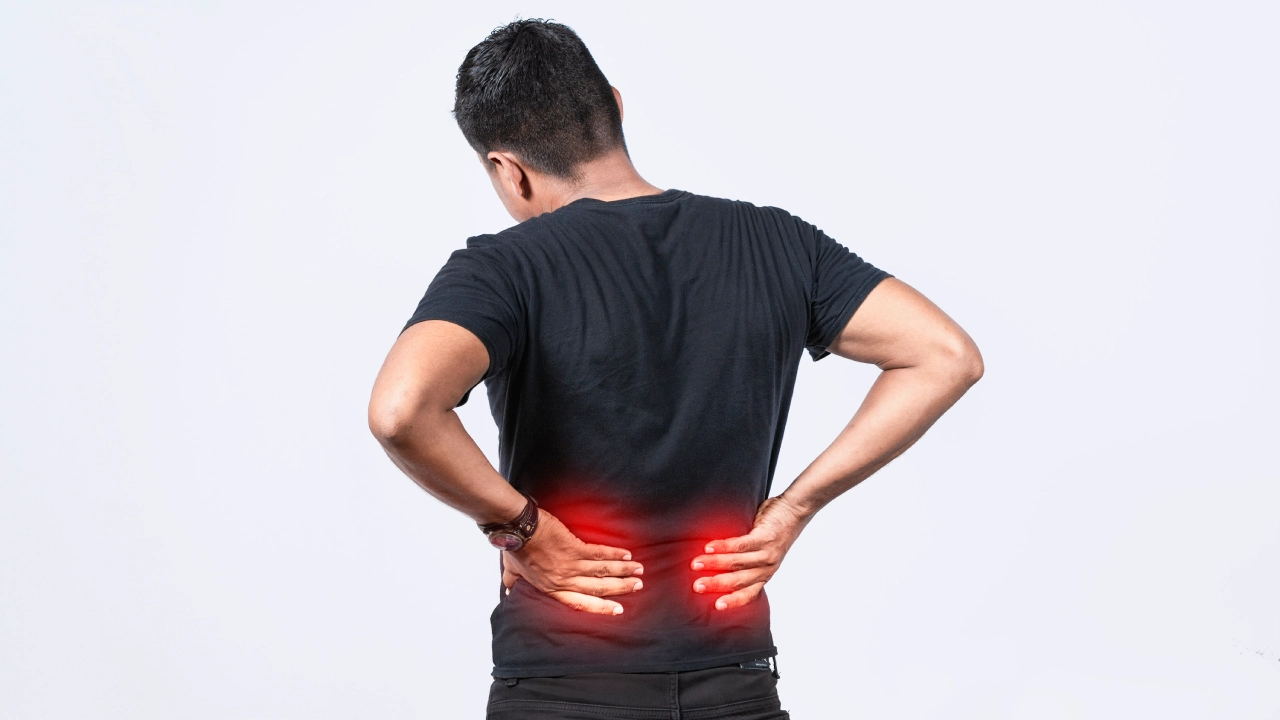
Bursitis refers to inflammation of a bursa — a small, fluid-filled sac that cushions bones, tendons, and muscles near joints. These sacs reduce friction during movement. When irritated, they can swell, causing pain, stiffness, and limited mobility.
Bursitis commonly affects areas such as:
- Shoulder
- Hip
- Elbow
- Knee
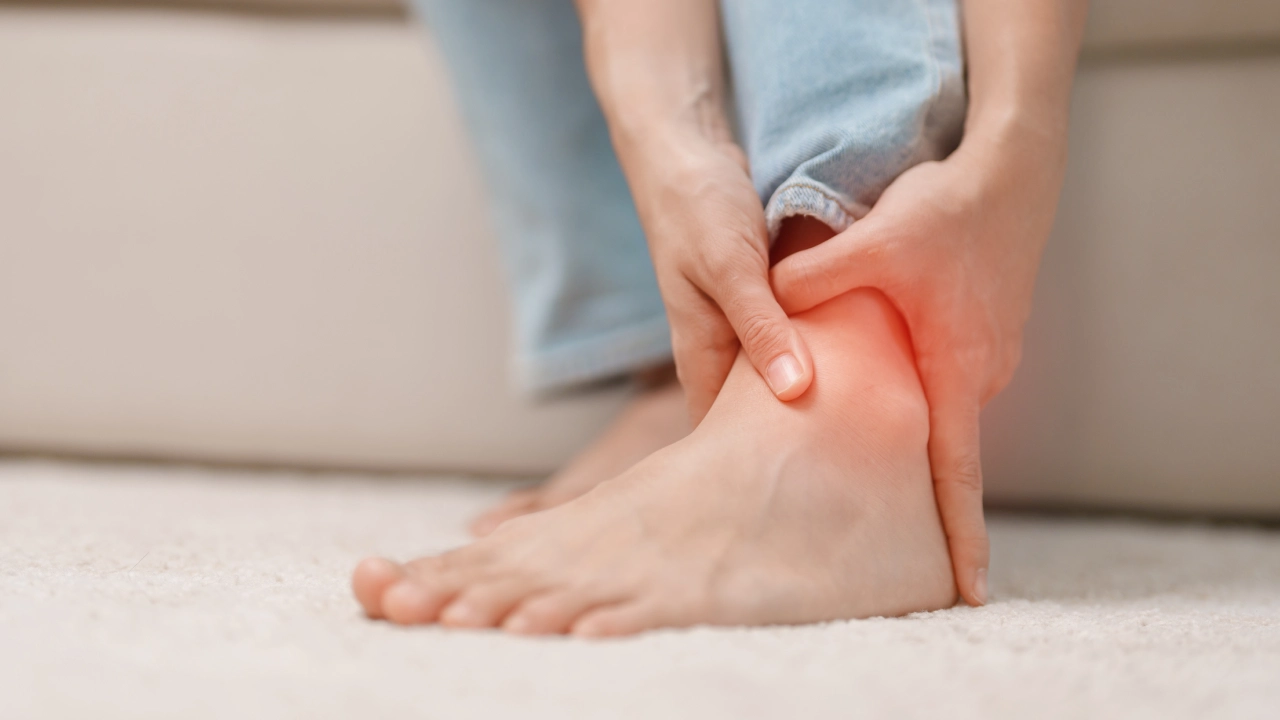
- Heel
This condition may develop gradually or suddenly, depending on the cause.
Common Causes of Bursitis
Bursitis often develops due to repeated stress on a joint or prolonged pressure. Some of the most frequent causes include:
Repetitive Movements
Activities that involve repeated motion, such as lifting, throwing, or kneeling, can irritate the bursa over time.
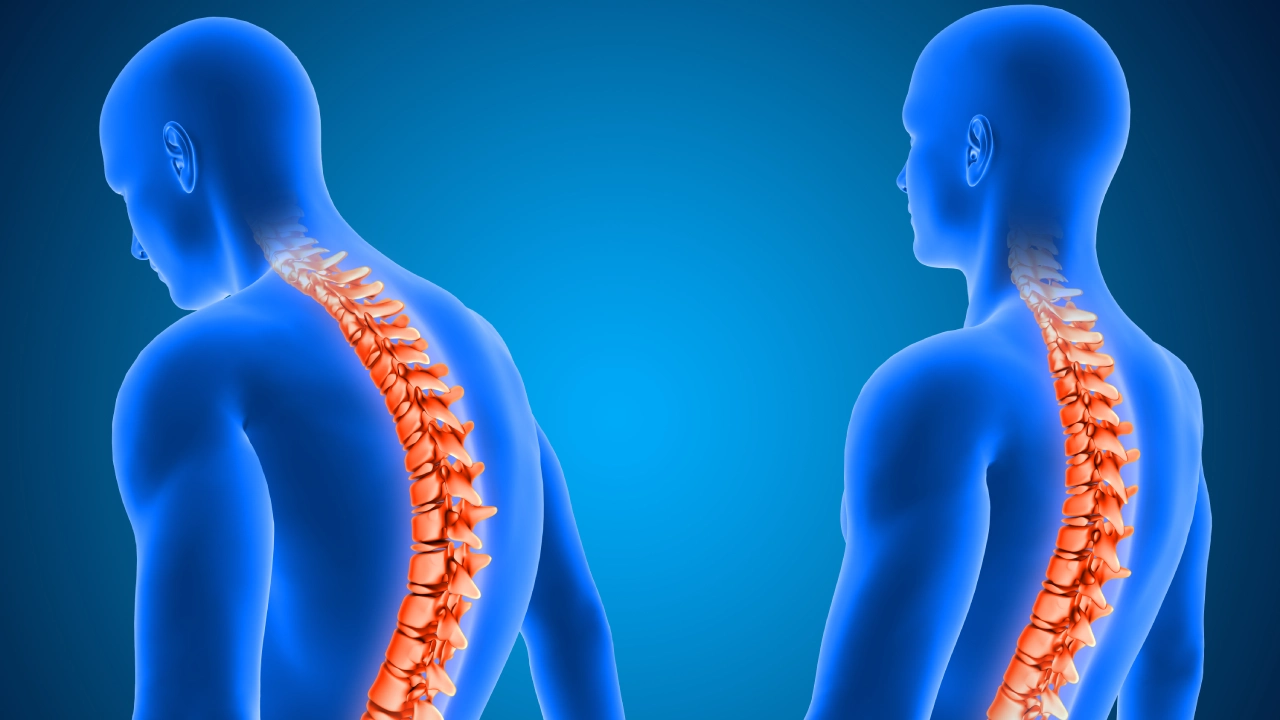
Poor Posture
Incorrect alignment during sitting, standing, or movement can place extra strain on joints.
Injury or Trauma
A direct impact on a joint can trigger inflammation in the surrounding bursa.
Age-Related Wear
As the body ages, tissues become less flexible, increasing the chance of irritation.
Underlying Conditions
Certain conditions, such as arthritis, may increase susceptibility to bursitis.
Signs and Symptoms of Bursitis
Bursitis symptoms can vary depending on the affected joint, but common signs include:
- Localized pain that worsens with movement
- Swelling around the joint
- Stiffness or reduced range of motion
- Tenderness when touching the area
- Warmth or redness (in some cases)
If left unaddressed, symptoms may become more persistent and interfere with daily activities.
How Prime Health Physiotherapy Approaches Bursitis
At Prime Health Physiotherapy, the focus is on identifying the root cause of irritation and restoring joint function through structured care.
Detailed Assessment
A thorough evaluation is conducted to:
- Identify the affected joint.
- Assess movement patterns
- Detect contributing factors such as posture or muscle imbalance.
This step helps create a clear recovery plan.
Targeted Exercise Programs
Specific exercises are introduced to:
- Improve joint mobility
- Strengthen surrounding muscles
- Reduce stress on the affected area.
These movements are adjusted as progress is made.
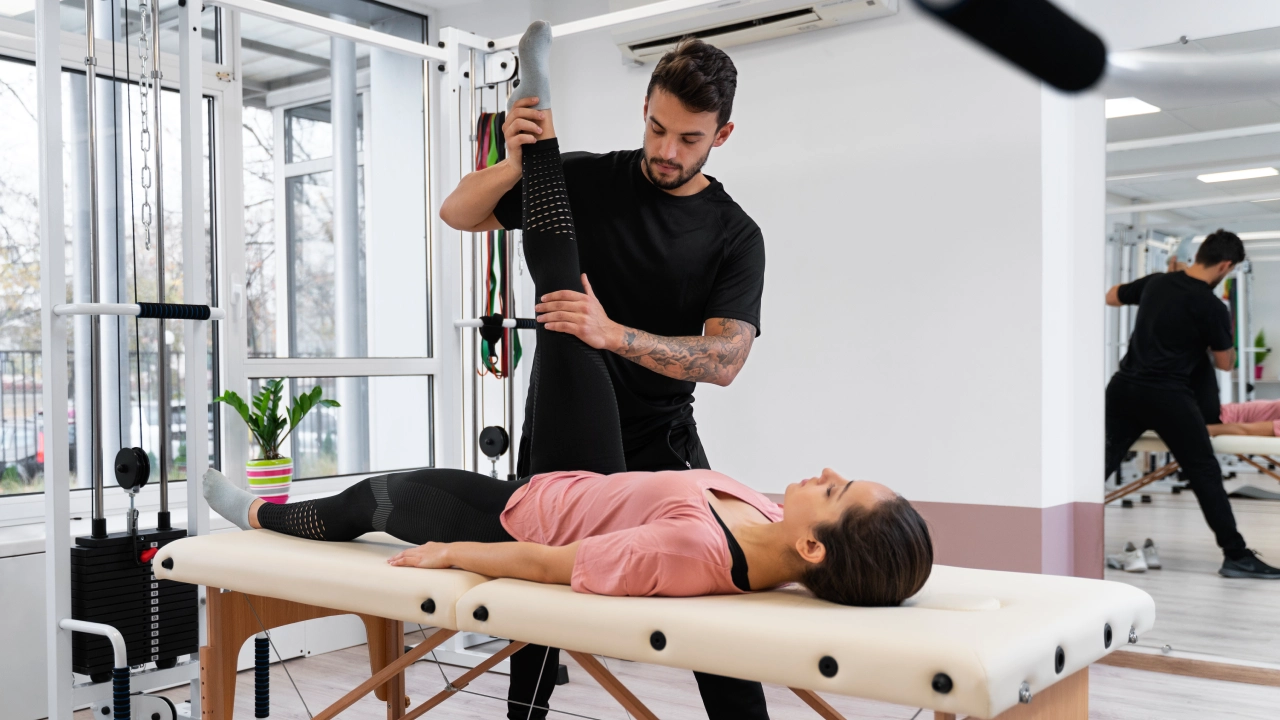
Manual Therapy
Hands-on techniques may be used to:
- Improve joint movement
- Reduce stiffness
- Enhance circulation in the affected region.
Education and Movement Strategies
Patients are shown how to:
- Modify daily activities
- Improve posture
- Avoid movements that trigger irritation.
This plays a key role in preventing recurrence.
Bursitis in Different Areas of the Body
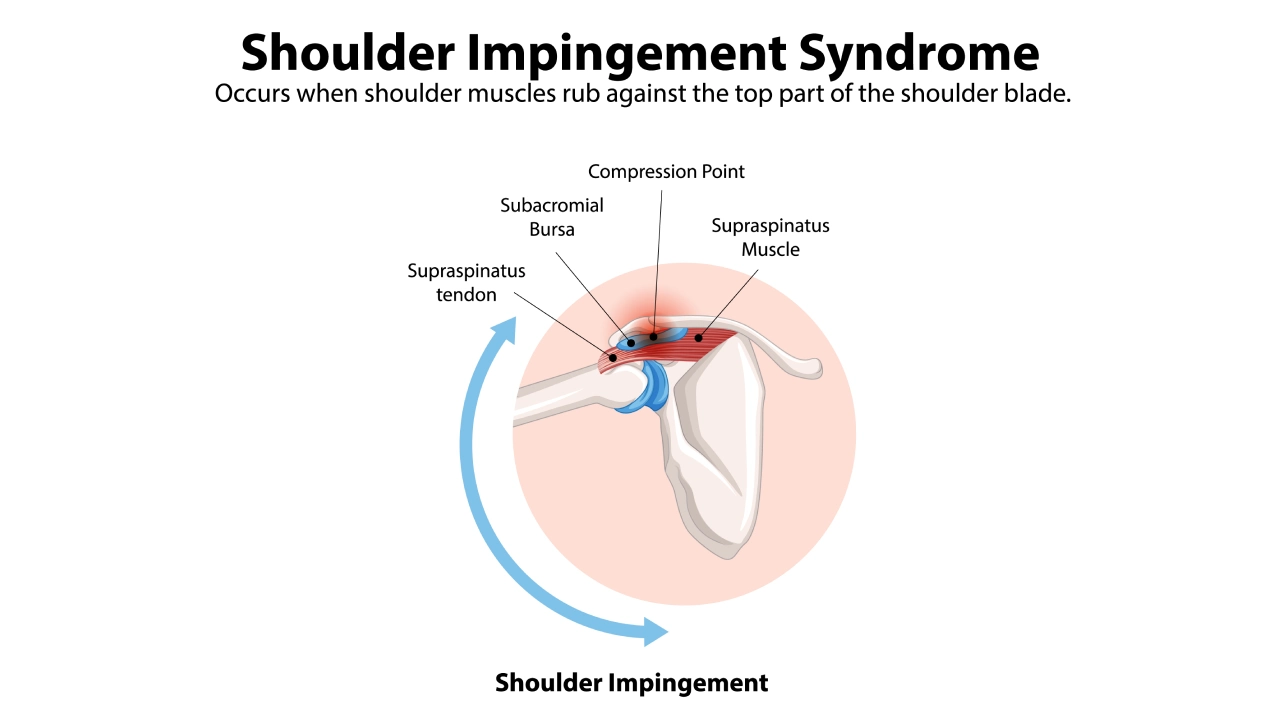
Shoulder Bursitis
Often linked to overhead movements, shoulder bursitis can make lifting the arm difficult. Early care can help restore smooth motion.
Hip Bursitis
Pain is usually felt on the outer side of the hip and may worsen when lying on that side or walking.
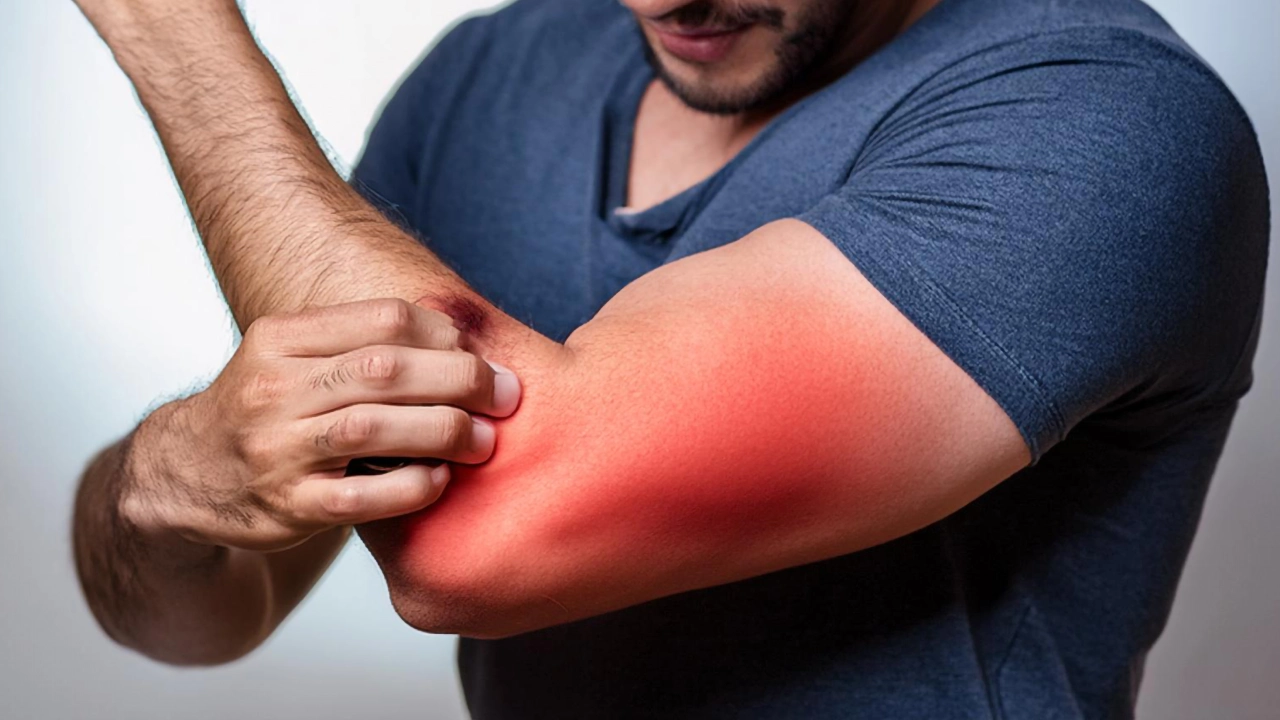
Elbow Bursitis
Common in individuals who lean on their elbows for extended periods, causing visible swelling.
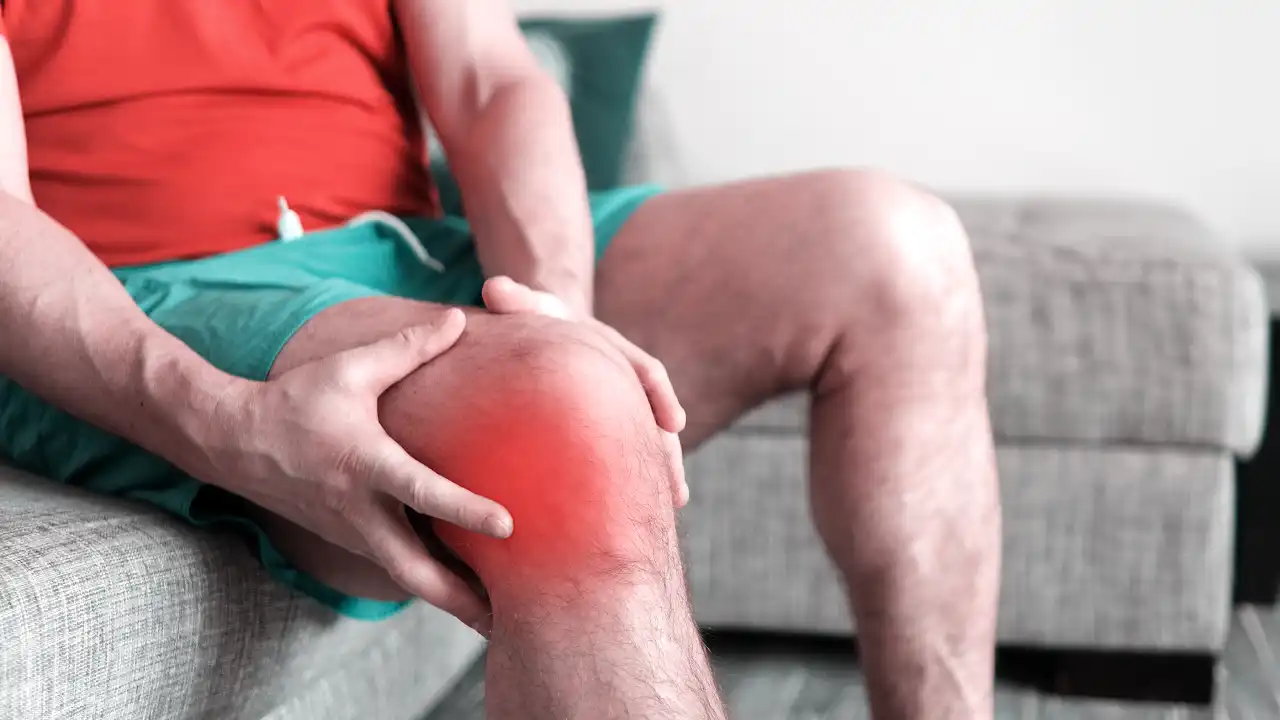
Knee Bursitis
Frequent in jobs or activities that involve kneeling, leading to discomfort at the front of the knee.
Why Early Attention Matters
Ignoring bursitis can lead to:
- Increased stiffness
- Reduced mobility
- Compensation patterns that strain other joints
Addressing symptoms early allows for quicker recovery and helps prevent further complications.
Everyday Tips to Manage Bursitis
In addition to in-clinic care, simple adjustments can support recovery:
- Take breaks during repetitive tasks.
- Use proper techniques when lifting or exercising.
- Maintain proper posture throughout the day.
- Apply cold packs to reduce swelling after activity.
- Avoid prolonged pressure on sensitive joints.
These habits can make a noticeable difference in how your body responds to daily demands.
Who Can Benefit from Physiotherapy for Bursitis?
Physiotherapy can help individuals who:
- Experience ongoing joint pain.
- Have limited movement due to stiffness
- Perform repetitive tasks at work.
- Participate in sports or physical activities.
- Are you recovering from joint irritation or injury
No matter the cause, structured care can help restore movement and reduce discomfort.
Book an Appointment
If bursitis is affecting your daily life, taking action early can make a significant difference. At Prime Health Physiotherapy, our team is ready to assess your condition and guide you through a structured plan to restore comfortable movement.
Book your appointment today and take the first step toward improved joint function and mobility.
Frequently Asked Question (FAQ)
Recovery time varies depending on severity and the affected area. Some cases improve within a few weeks, while others may take longer with consistent care.
Mild cases may settle with rest and activity changes. However, recurring or persistent symptoms often require structured care to address underlying causes.
Yes, but it should be guided. Certain movements can support recovery, while others may worsen irritation. A structured plan ensures safe progression.
Activities that involve repetitive strain or direct pressure on the affected joint should be limited until symptoms improve.
Yes, especially if contributing factors like posture or movement patterns are not addressed. Ongoing awareness and proper movement habits help reduce recurrence.