Wrist & Hand Pain
Wrist & Hand Pain
At Prime Health Physiotherapy, we understand how Wrist & Hand Pain can interfere with everyday tasks, whether it’s typing, lifting, or performing fine motor movements. Our physiotherapy approach targets the underlying causes of discomfort to help restore movement, strength, and overall hand function.
Exploring the Causes of Wrist & Hand Pain
Wrist & Hand Pain may result from repetitive strain, injury, or chronic conditions affecting the joints, tendons, or muscles. Symptoms often include stiffness, swelling, tingling, and reduced grip strength. Early assessment is essential to prevent long-term complications and maintain hand mobility.
Common causes of Wrist & Hand Pain include:
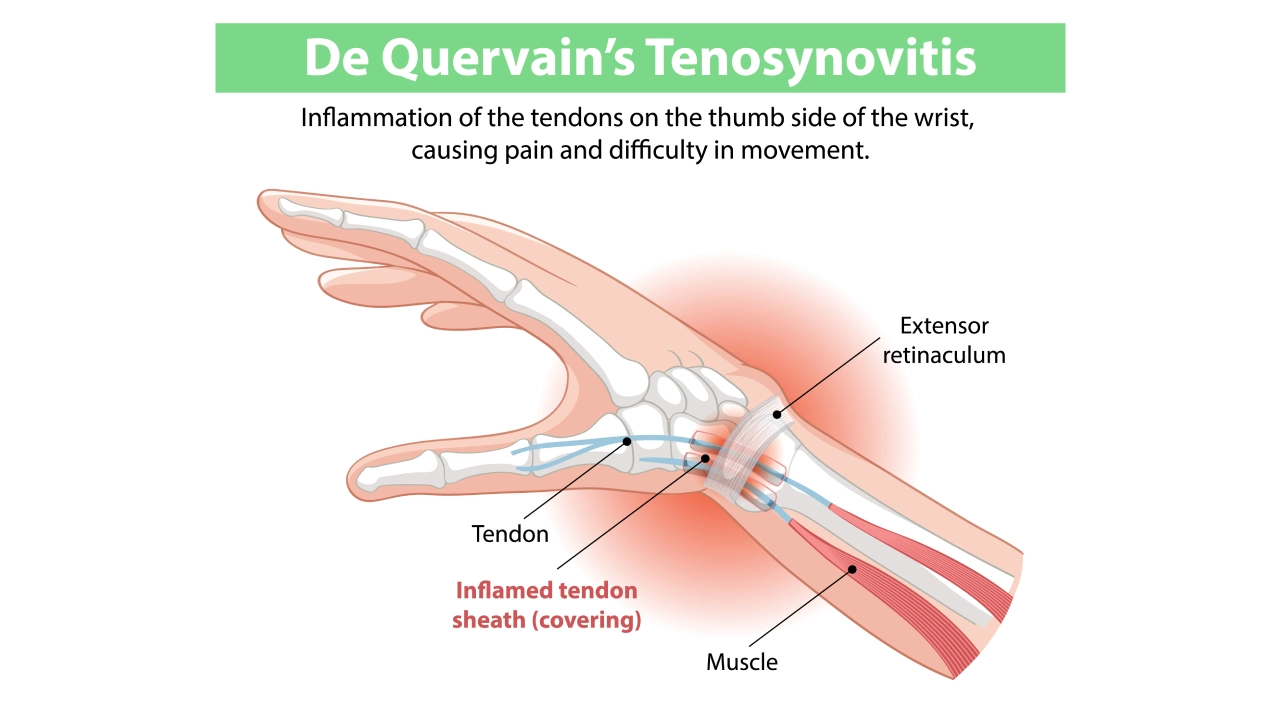
- Tendinitis or tenosynovitis
- Carpal tunnel syndrome
- Sprains or fractures
- Arthritis (osteoarthritis or rheumatoid arthritis)
- Repetitive strain from work or sports activities
Recognizing the source of discomfort is the first step toward recovery. Our physiotherapists perform thorough evaluations to identify the precise factors contributing to wrist and hand difficulties.
Signs You May Need Support for Wrist & Hand Pain
It is important to seek professional guidance if you experience any of the following:
- Persistent soreness or tenderness in the wrist or hand
- Reduced ability to grip or hold objects
- Swelling or redness around the joints
- Numbness, tingling, or burning sensations in the fingers
- Pain during common tasks like writing or typing
Identifying symptoms early enables our team to develop targeted strategies to improve movement and function.
Comprehensive Assessment for Wrist & Hand Pain
At Prime Health Physiotherapy, the assessment process for Wrist & Hand Pain is thorough and individualized. Our physiotherapists evaluate:
- Joint range of motion and flexibility.
- Muscle strength and coordination.
- Tendon function and nerve involvement.
- Posture and ergonomics affecting wrist and hand use.
This detailed approach ensures that every factor contributing to discomfort is addressed. By understanding the root cause, we can create an effective plan to restore function and minimize recurrence.
Treatment Approaches for Wrist & Hand Pain
Our physiotherapy programs for Wrist & Hand Pain are designed to improve mobility, reduce strain, and enhance everyday performance. Treatment may include:
Targeted Exercises
Specific exercises help improve the flexibility, strength, and coordination of the wrist and hand muscles. These exercises are tailored to the patient’s condition and activity level.
Manual Therapy
Hands-on techniques help reduce stiffness, enhance circulation, and improve joint movement. Manual therapy can help relieve tension and support proper function.
Ergonomic Guidance
Adjusting workstations or modifying activities can decrease repetitive stress on the wrist and hand, supporting long-term comfort and performance.
Pain Management Strategies
We use techniques to manage discomfort while facilitating movement, including gentle stretching, joint mobilization, and activity modification.
Education and Prevention
Patients receive advice on posture, hand positioning, and activity adjustments to reduce strain and prevent future issues related to Wrist & Hand Pain.
Common Conditions Addressed
Prime Health Physiotherapy helps with a wide range of issues associated with Wrist & Hand Pain, such as:
- Carpal Tunnel Syndrome: Compression of the median nerve leading to tingling, numbness, and weakness in the hand.
- Tendonitis: Inflammation of tendons due to overuse, causing pain and reduced mobility.
- Sprains and Strains: Injuries affecting ligaments or muscles from falls, sports, or sudden movements.
- Arthritis: Degenerative or inflammatory joint conditions affecting wrist and finger movement.
- Post-Surgical Recovery: Rehabilitation following wrist or hand surgery to restore strength and function.
Each condition requires a specific strategy to address the source of discomfort and promote functional recovery.
Benefits of Physiotherapy for Wrist & Hand Pain
Engaging in physiotherapy for Wrist & Hand Pain offers several advantages:
- Enhanced mobility and joint range of motion
- Strengthening of key muscles supporting wrist and hand function
- Reduction of discomfort and swelling
- Improved dexterity and coordination
- Guidance on activity modification to prevent recurrence
Our approach prioritizes restoring everyday performance, allowing individuals to carry out work, hobbies, and daily tasks with greater ease.
When to Seek Professional Help
If Wrist & Hand Pain interferes with daily life or persists beyond a few days, professional evaluation is recommended. Delays in addressing symptoms can result in worsening function or chronic discomfort. Early intervention enhances the likelihood of effective recovery and functional improvement.
Why Choose Prime Health Physiotherapy
At Prime Health Physiotherapy, our team combines expertise with a structured approach to address Wrist & Hand Pain. Our assessments and treatment plans consider the whole patient, focusing on:
- Individual movement patterns and hand function
- Coordination and strength training for optimal recovery
- Prevention strategies for long-term hand and wrist health
By integrating detailed assessment with progressive therapy techniques, we aim to restore movement and improve the quality of life for those experiencing discomfort in their wrists and hands.
Take the Next Step
If you are experiencing Wrist & Hand Pain, scheduling a consultation at Prime Health Physiotherapy can help you identify the cause and begin a targeted program. Addressing discomfort early ensures better outcomes and more effective restoration of function. Our team is ready to guide you through the process with practical strategies and personalized care for your hands and wrists.
Frequently Asked Question (FAQ)
Wrist & Hand Pain can result from overuse, injuries, or underlying conditions such as tendon inflammation, arthritis, carpal tunnel syndrome, or repetitive strain. Proper assessment helps identify the specific cause.
Our physiotherapists evaluate joint mobility, muscle strength, tendon function, nerve involvement, and posture to determine the source of discomfort and guide treatment.
Treatment may include targeted exercises, hands-on therapy, activity modification, ergonomic guidance, and pain management techniques to restore mobility and function.
Recovery time depends on the cause and severity of the pain. With consistent physiotherapy, many individuals notice improvement in mobility and comfort within a few weeks, while ongoing care may be needed for chronic conditions.
Yes. Strategies such as proper ergonomics, regular stretching, strengthening exercises, and avoiding repetitive strain can help reduce the risk of recurring pain. Our physiotherapists provide guidance tailored to daily activities and work demands.