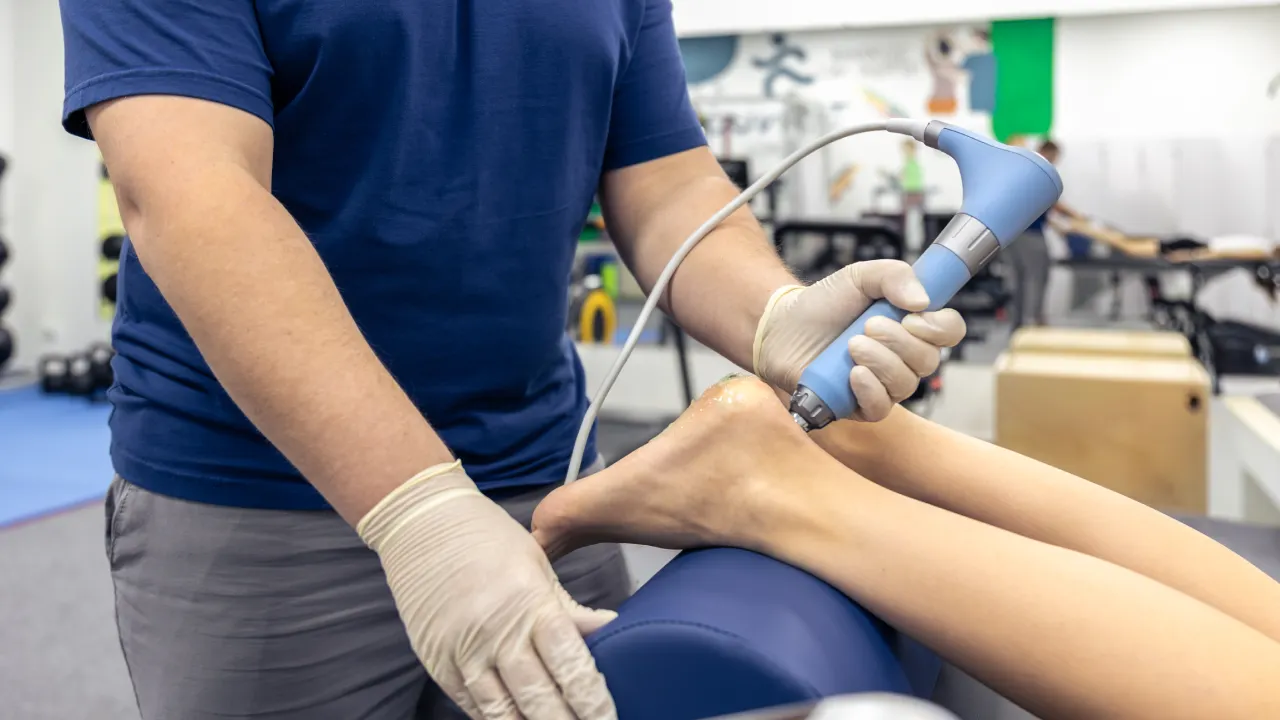
7 Signs Massage Therapy May Ease Daily Muscle Tension
How Muscle Tension Can Impact Daily Life
Daily muscle tension can build up gradually, often becoming part of a routine without much notice. Hours spent at a desk, long commutes, repetitive movements, stress, and poor posture can all contribute to tightness in the neck, shoulders, back, and legs. Many people in Edmonton look for ways to manage this discomfort before it affects work, sleep, or everyday activities. One option that is frequently considered is Massage Therapy.
While individual results vary, several common signs suggest bodywork may help reduce daily muscle tension and support comfort. Here are seven signs to watch for.
1. You Wake Up Feeling Stiff
If your muscles feel tight first thing in the morning, especially in the neck, shoulders, or lower back, it may indicate that tension is lingering overnight. This stiffness can be related to stress, posture, sleep position, or accumulated strain from the previous day.
Massage Therapy is often used to encourage relaxation in tight muscle groups and improve overall mobility. People who experience morning stiffness may find that regular sessions help them feel less restricted when starting the day.
2. Your Shoulders Constantly Feel Tight
One of the most common areas for daily tension is the upper shoulder region. Sitting at a computer, using a phone, or driving for long periods can overwork the muscles around the shoulders and upper back.
When shoulder tightness becomes persistent, Massage Therapy may help reduce muscle guarding and improve flexibility. Addressing this tension early can make it easier to maintain a comfortable posture throughout the day.
3. Headaches Appear Along With Neck Tension
Muscle tension in the neck and upper shoulders can sometimes contribute to tension-type headaches. These headaches often feel like pressure or tightness around the head and may worsen during stressful periods.
Many people seek Massage Therapy when headaches seem to be linked to tight neck muscles. By focusing on the surrounding soft tissues, massage may help reduce the muscular component of discomfort.
4. Stress Leaves You Physically Tired
Stress not only affects the mind. It often shows up in the body through clenched jaws, raised shoulders, and general muscle tightness. If you notice that stressful days leave you feeling physically tense, relaxation-focused care may be worth considering.
Massage Therapy is commonly chosen as part of a broader stress-management approach because it can promote relaxation and body awareness. Many people report feeling less physically tense after treatment.
5. Exercise Leaves Lingering Tightness
Regular activity is important for health, but workouts can sometimes leave muscles feeling unusually tight for several days. This is especially common when starting a new exercise program, increasing intensity, or returning to activity after a break.
Massage Therapy is often incorporated into recovery routines to help address muscle tightness and maintain flexibility. While it is not a replacement for proper training, hydration, and rest, it may complement an active lifestyle.
6. You Find Yourself Stretching Constantly
Stretching can be helpful, but some people notice they repeatedly stretch the same areas throughout the day, with only temporary relief. This may suggest that underlying muscle tension is persisting despite frequent stretching.
In these situations, Massage Therapy may provide a different approach by targeting the soft tissues directly. Combining massage with appropriate stretching, movement, and posture strategies can sometimes lead to more lasting comfort.
7. Daily Activities Feel More Effortful
When muscle tension begins to affect simple tasks such as turning your head while driving, reaching overhead, carrying groceries, or sitting comfortably at work, it may be time to explore additional support.
Massage Therapy can be part of a comprehensive plan to improve mobility and reduce discomfort during everyday activities. Many people in Edmonton choose this approach when they want to address tension before it becomes more limiting.
What to Expect
A typical session may include discussion of areas that feel tight, an assessment of movement and posture, and hands-on techniques targeting the affected muscles. Depending on the situation, treatment may focus on relaxation, deeper muscle work, or a combination of approaches.
Because every person’s tension pattern is different, Massage Therapy is often adjusted to match individual goals and comfort levels. Some people seek occasional sessions during stressful periods, while others benefit from more consistent care.
When to Seek Further Assessment
Although muscle tension is common, certain symptoms deserve additional evaluation. Consider speaking with a healthcare professional if you experience:
Sudden or severe pain
Numbness or tingling
Weakness
Symptoms following an injury
Discomfort that continues to worsen
In some cases, a combined approach involving physiotherapy and Massage Therapy may be appropriate to address both muscle tension and movement-related factors.
Take the Next Step with Prime Health Physiotherapy
If daily muscle tension is affecting your comfort, work, or activities, Prime Health Physiotherapy is here to help. Our team in Edmonton can assess your symptoms and discuss whether Massage Therapy may be a suitable part of your care plan.
Book an Appointment
Contact Prime Health Physiotherapy today to book an appointment and learn how Massage Therapy may help you manage everyday muscle tension and move more comfortably.