Scoliosis and Postural Symptoms
Scoliosis and Postural Symptoms Care
Scoliosis and postural symptoms can affect how you move, sit, and perform everyday activities. At Prime Health Physiotherapy, we focus on helping individuals manage spinal curvature and posture-related concerns through structured, evidence-based physiotherapy methods. Whether symptoms are mild or more noticeable, timely care can make a meaningful difference in comfort and mobility.
What Is Scoliosis and How Does It Affect Posture?
Scoliosis Explained
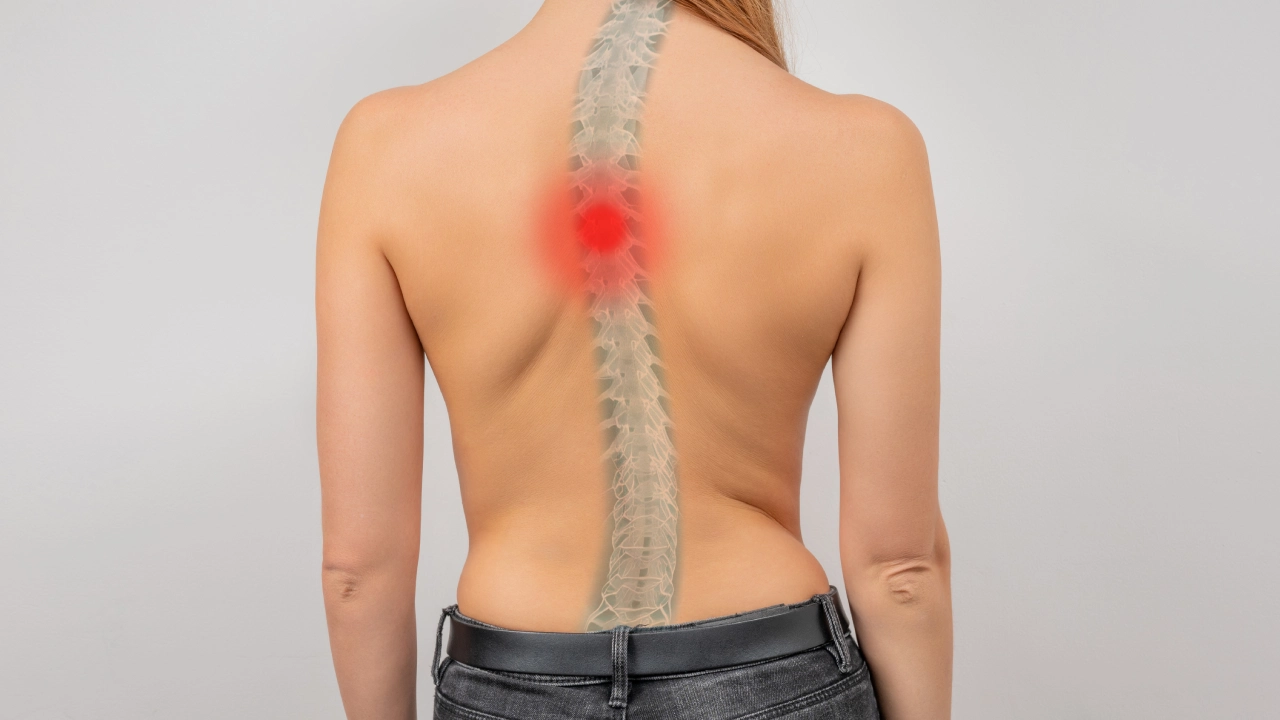
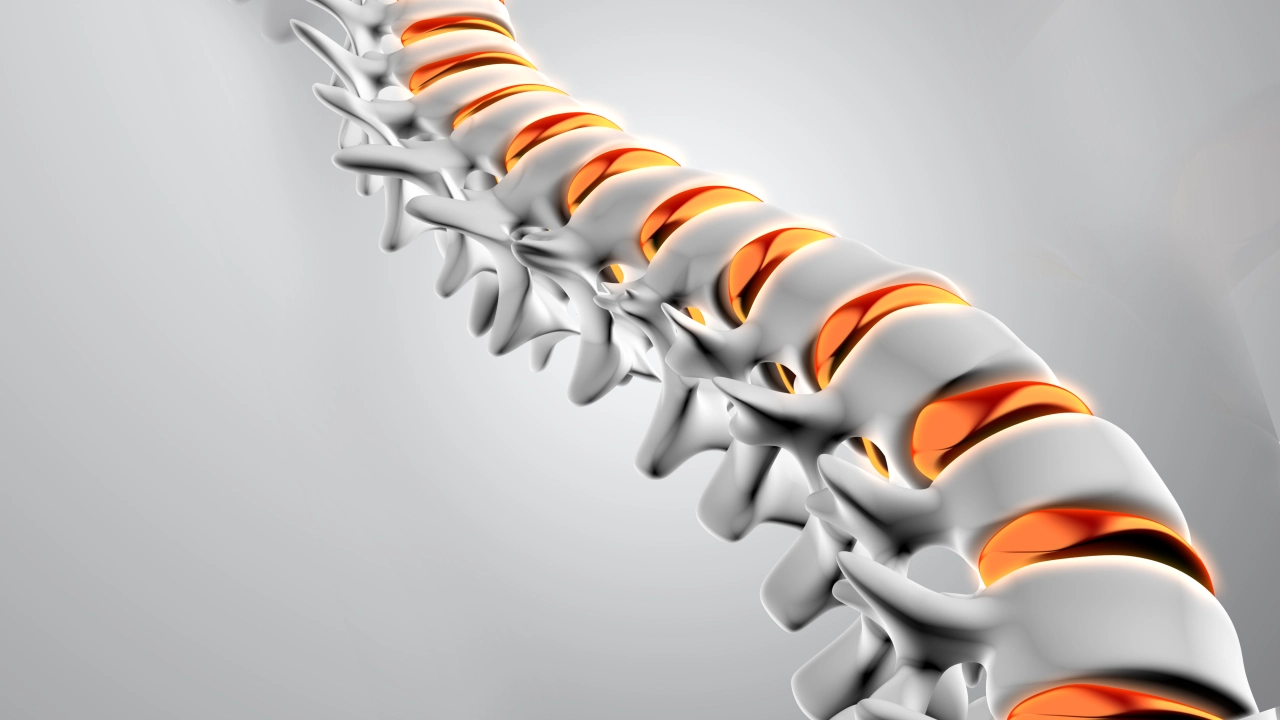
Scoliosis is a condition where the spine curves sideways, often forming an “S” or “C” shape. It can appear during adolescence or develop later in life due to degenerative changes. While some cases remain stable, others may progress and influence posture and movement.
Postural Symptoms Linked to Scoliosis
Changes in spinal alignment can lead to visible and physical signs such as:
- Uneven shoulders or hips
- One shoulder blade appears more prominent.
- A tilted head position
- Muscle fatigue after sitting or standing
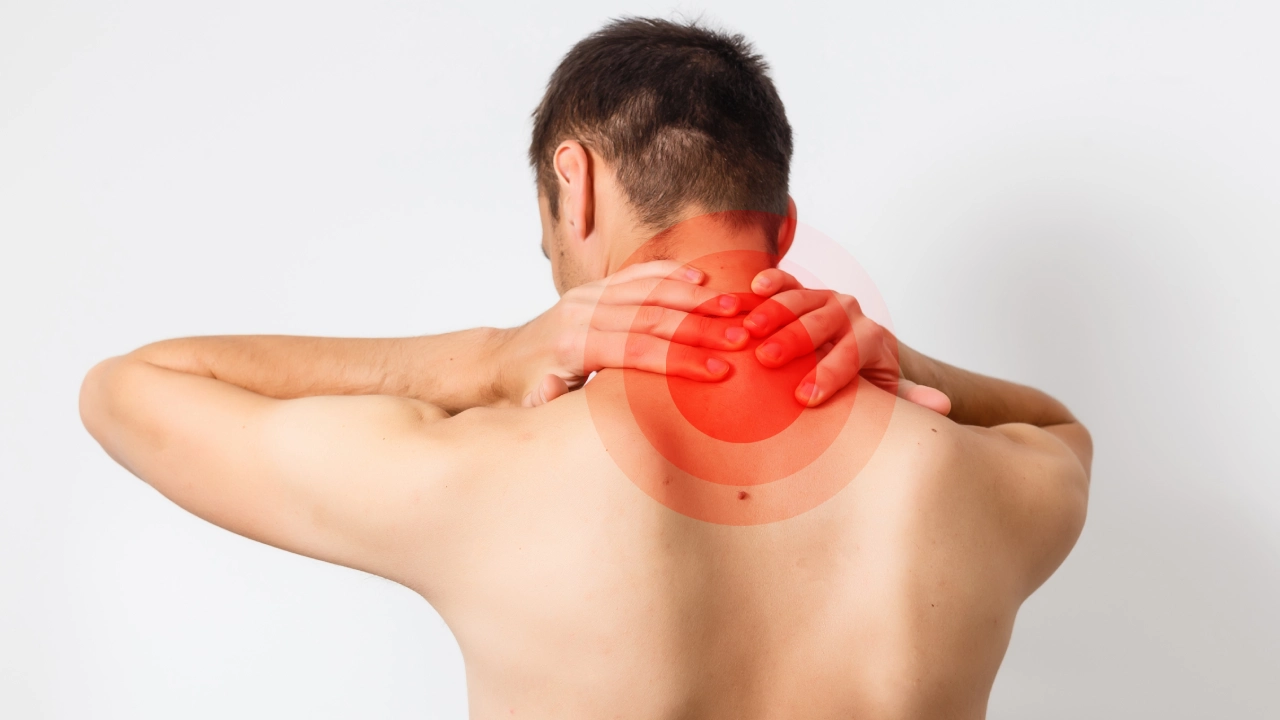
- Back, neck, or shoulder discomfort
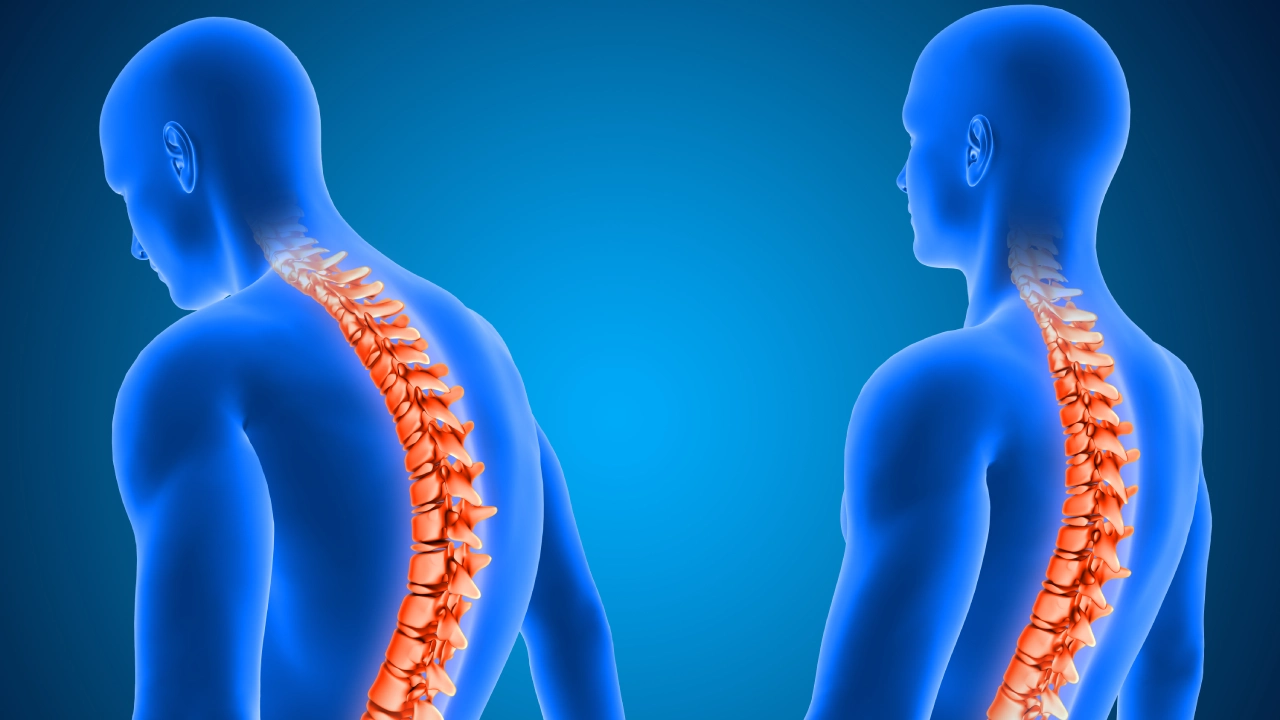
Postural symptoms may also develop independently due to habits like prolonged sitting, screen use, or repetitive strain.
Causes and Risk Factors
Common Causes of Scoliosis
Scoliosis may develop for various reasons, including:
- Idiopathic origins (unknown cause, most common in adolescents)
- Congenital spinal differences present at birth
- Neuromuscular conditions affecting muscle control
- Age-related degeneration of spinal structures
Factors That Contribute to Postural Issues
Postural concerns often arise from:
- Sedentary lifestyle or prolonged desk work
- Weak core and back muscles
- Improper workstation setup
- Repetitive movements or occupational strain
These factors can worsen spinal imbalance when combined with scoliosis.
Signs You Should Not Ignore
Early Indicators
Recognizing symptoms early can help prevent progression. Look out for:
- Persistent back discomfort
- Visible spinal curvature
- Difficulty maintaining upright posture
- Clothing fitting unevenly
When to Seek Physiotherapy
If symptoms interfere with daily life or seem to worsen over time, a physiotherapy assessment is a practical next step. Early care can help improve alignment and reduce strain on surrounding muscles.
How Physiotherapy Supports Scoliosis and Postural Symptoms
Assessment and Movement Analysis
At Prime Health Physiotherapy, care begins with a detailed evaluation of spinal alignment, posture, and movement patterns. This helps identify imbalances and areas of strain.
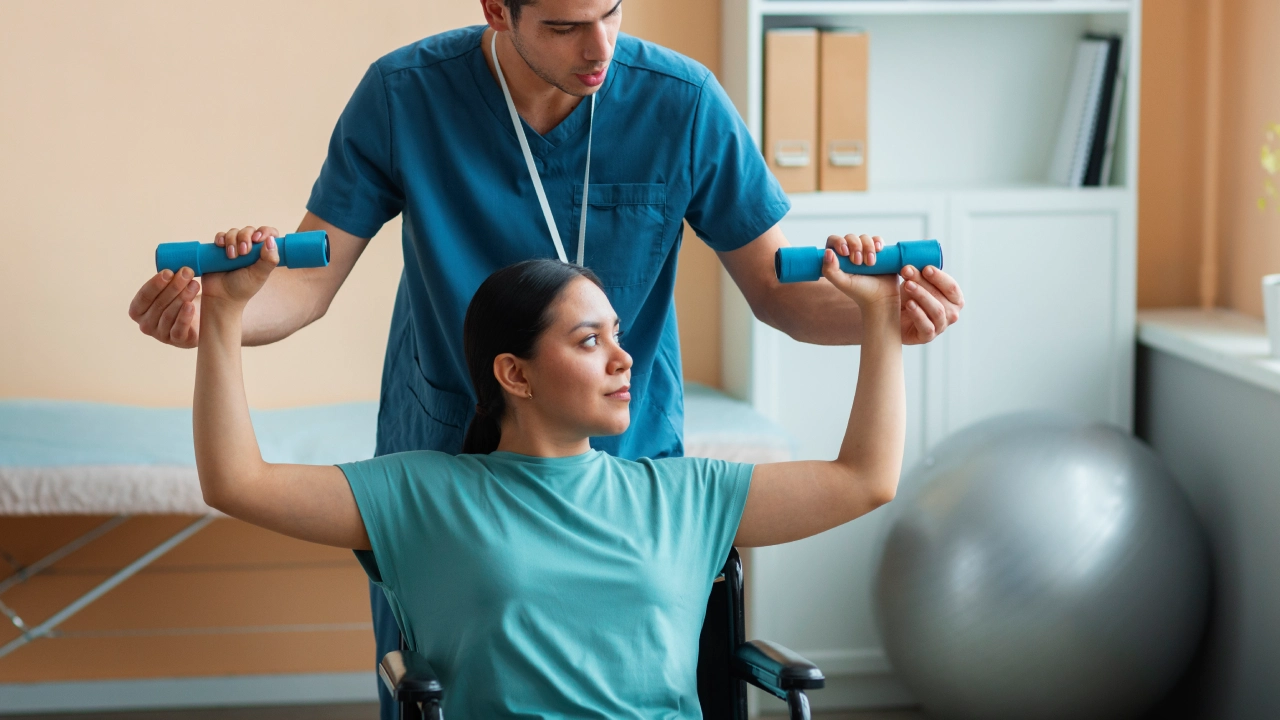
Exercise-Based Care
Targeted exercises play a central role in managing scoliosis and posture-related concerns. These may include:
- Strengthening exercises for core and back muscles
- Stretching tight muscle groups
- Postural correction drills
- Breathing techniques to support spinal mobility
Manual Therapy Techniques
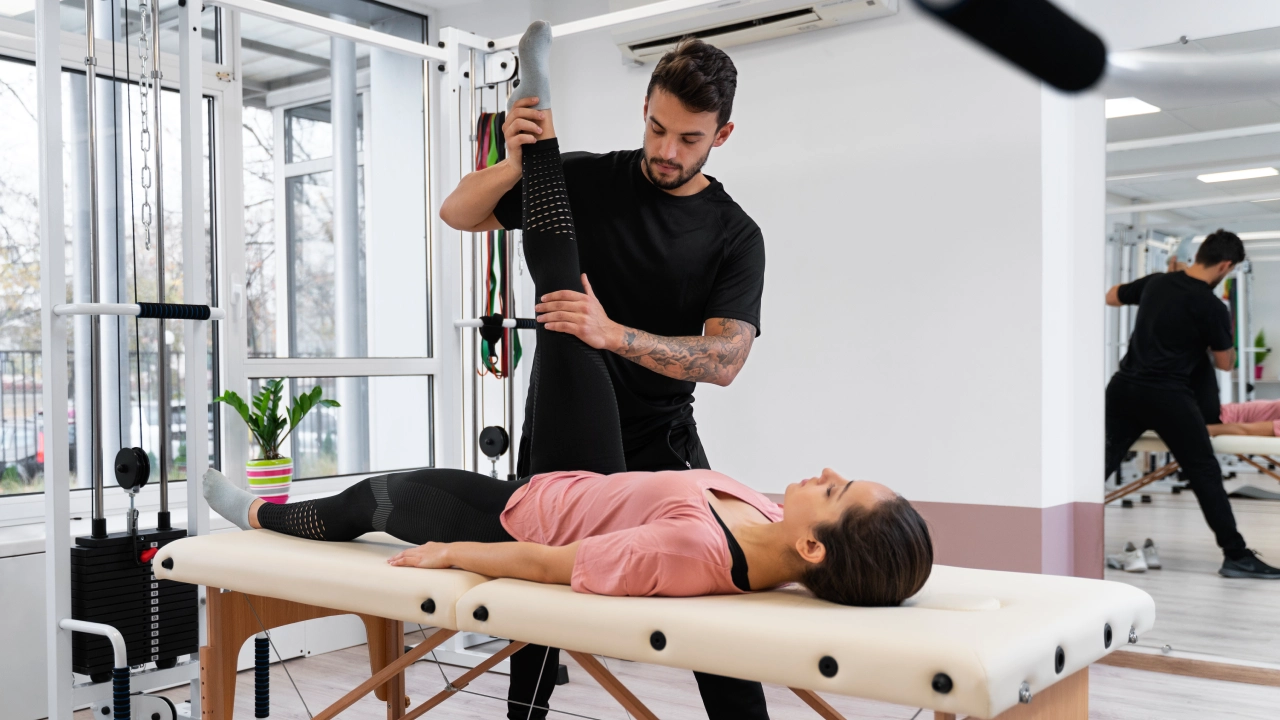
Hands-on techniques may be used to address stiffness, improve joint mobility, and reduce muscle tension. This can support improved movement and posture.
Postural Education
Learning how to sit, stand, and move correctly is essential. Guidance may include:
- Ergonomic adjustments for workstations
- Safe lifting techniques
- Daily posture habits
Benefits of Early and Consistent Care
Improved Spinal Support
Strengthening muscles around the spine helps maintain alignment and reduces strain during daily activities.
Enhanced Mobility
Regular physiotherapy can improve flexibility and movement, making it easier to stay active.
Reduced Discomfort
Addressing muscle imbalances and posture can ease tension in the back, neck, and shoulders.
Better Functional Movement
Improved posture often leads to smoother, more efficient movement patterns.
Lifestyle Tips for Managing Scoliosis and Postural Symptoms
Stay Active
Low-impact activities like walking, swimming, or cycling can support spinal health.
Maintain Proper Posture
Keep your shoulders relaxed, spine aligned, and feet flat when sitting. Avoid slouching for extended periods.
Adjust Your Workspace
Ensure your screen is at eye level, and your chair supports your lower back.
Take Regular Breaks
Stand, stretch, and move every 30–60 minutes to reduce strain from prolonged sitting.
Why Choose Prime Health Physiotherapy?
At Prime Health Physiotherapy, we focus on structured physiotherapy plans that address both scoliosis and posture-related concerns. Our approach combines movement-based care, education, and ongoing support to help you stay active and maintain spinal health.
Book an Appointment
If you are noticing signs of scoliosis or struggling with posture-related discomfort, now is the time to take action. Early care can help you manage symptoms and improve daily function.
Book your appointment with Prime Health Physiotherapy today and take the next step toward improved spinal health.
Frequently Asked Question (FAQ)
Physiotherapy does not reverse spinal curvature, but it can help manage symptoms, improve posture, and support spinal stability.
No, scoliosis can affect people of all ages. Adults may develop it due to age-related spinal changes.
Progress varies depending on the severity of the condition and the consistency of the exercises. Many people notice changes within a few weeks.
Poor posture does not cause scoliosis, but it can worsen postural symptoms and make spinal imbalance more noticeable.
High-impact or uneven loading activities may need to be modified. A physiotherapist can recommend suitable exercises based on your condition.