Call UsBook Appointment

Synovitis & Tenosynovitis

Synovitis & Tenosynovitis Care

At Prime Health Physiotherapy, we focus on helping individuals manage synovitis and tenosynovitis so they can move with ease again. These conditions often cause joint or tendon irritation, which can limit daily activities, work performance, and physical performance. With the right physiotherapy approach, many people see steady progress and improved mobility without relying on invasive options.

What Are Synovitis and Tenosynovitis?

Synovitis Explained

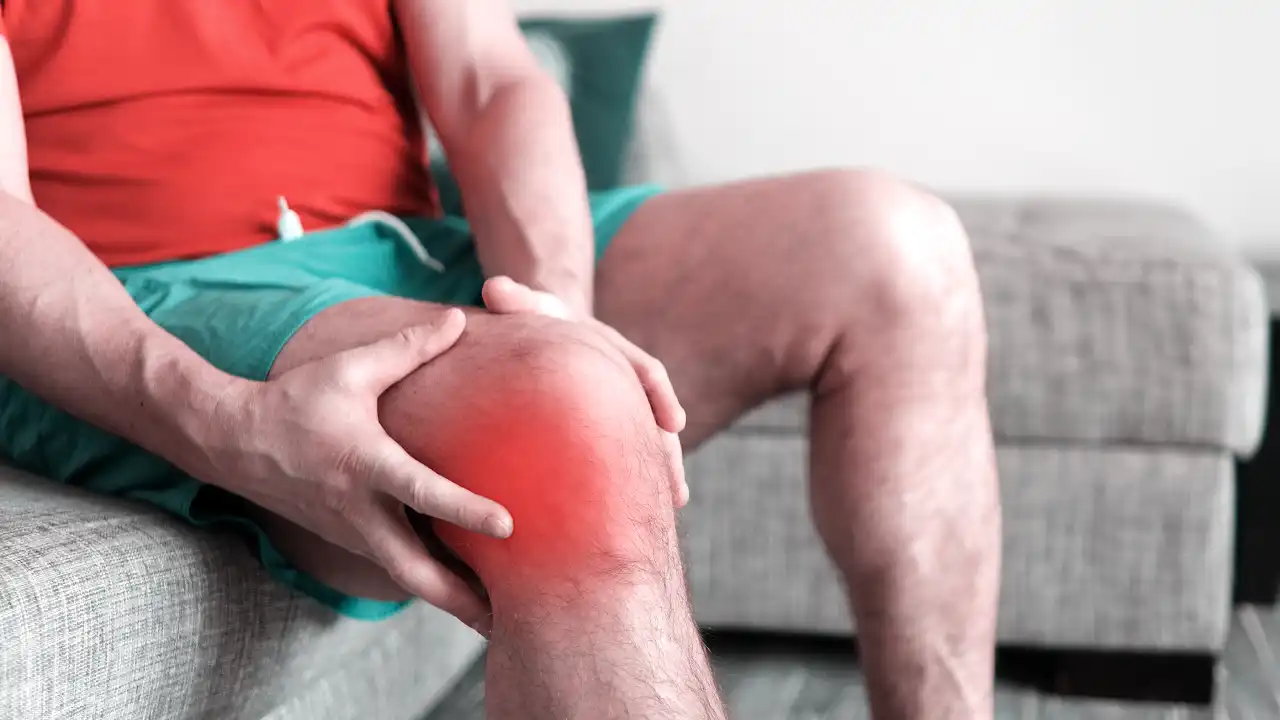
Synovitis refers to irritation or inflammation of the synovial membrane, which lines joints such as the knees, hips, shoulders, and wrists. This membrane produces fluid that helps joints move smoothly. When irritated, it can lead to swelling, stiffness, and discomfort.

Tenosynovitis Explained

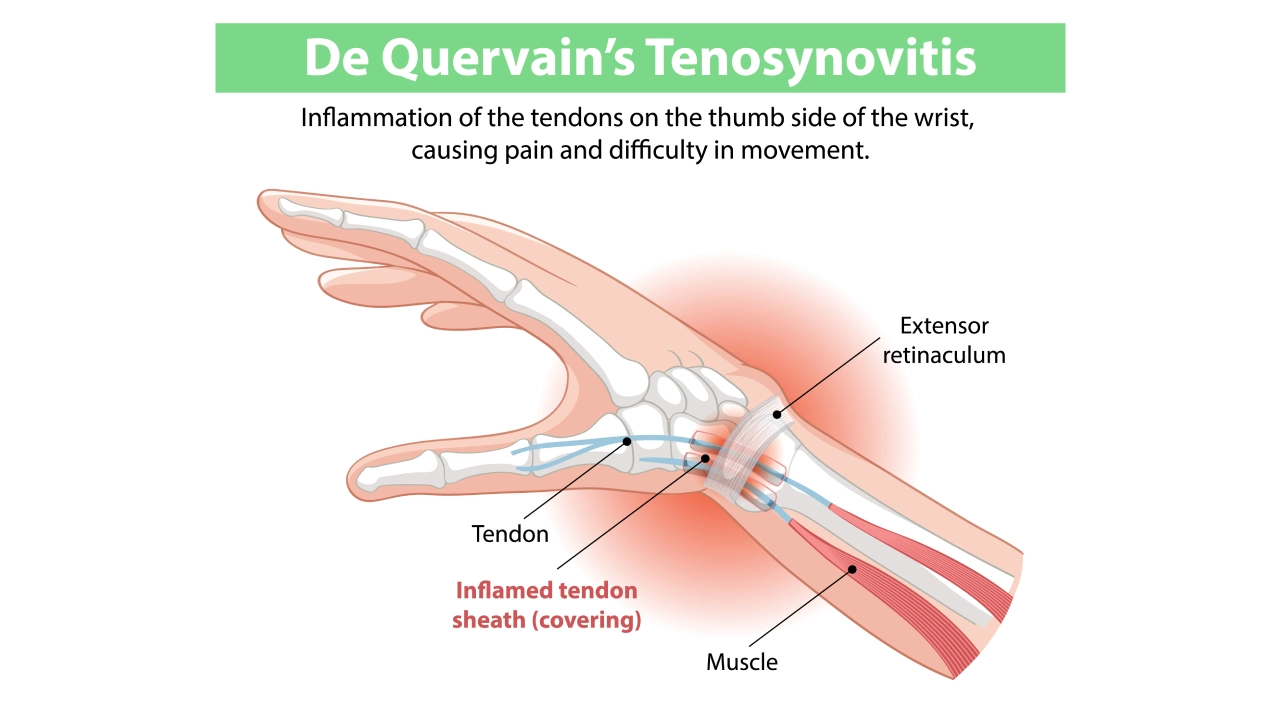
Tenosynovitis affects the sheath surrounding a tendon. This condition is commonly seen in areas like the wrist, hand, ankle, or foot. It may develop due to repetitive movements, strain, or underlying conditions.

Common Causes of Synovitis & Tenosynovitis

Several factors may contribute to these conditions, including:

  • Repetitive strain from work or sports
  • Sudden increase in physical activity
  • Joint injuries or trauma
  • Poor movement patterns or posture
  • Inflammatory conditions such as arthritis

People who perform repetitive hand or wrist motions—such as typing, lifting, or using tools—are particularly at risk of developing tenosynovitis.

Signs and Symptoms to Watch For

Synovitis Symptoms

  • Joint swelling
  • Warmth around the joint
  • Stiffness, especially in the morning
  • Reduced range of motion
  • Discomfort during movement

Tenosynovitis Symptoms

  • Pain along a tendon
  • Swelling near joints
  • Difficulty moving the affected area
  • A catching or snapping sensation
  • Tenderness when touched

If symptoms persist or worsen, early physiotherapy can help prevent further complications.

How Physiotherapy Supports Recovery

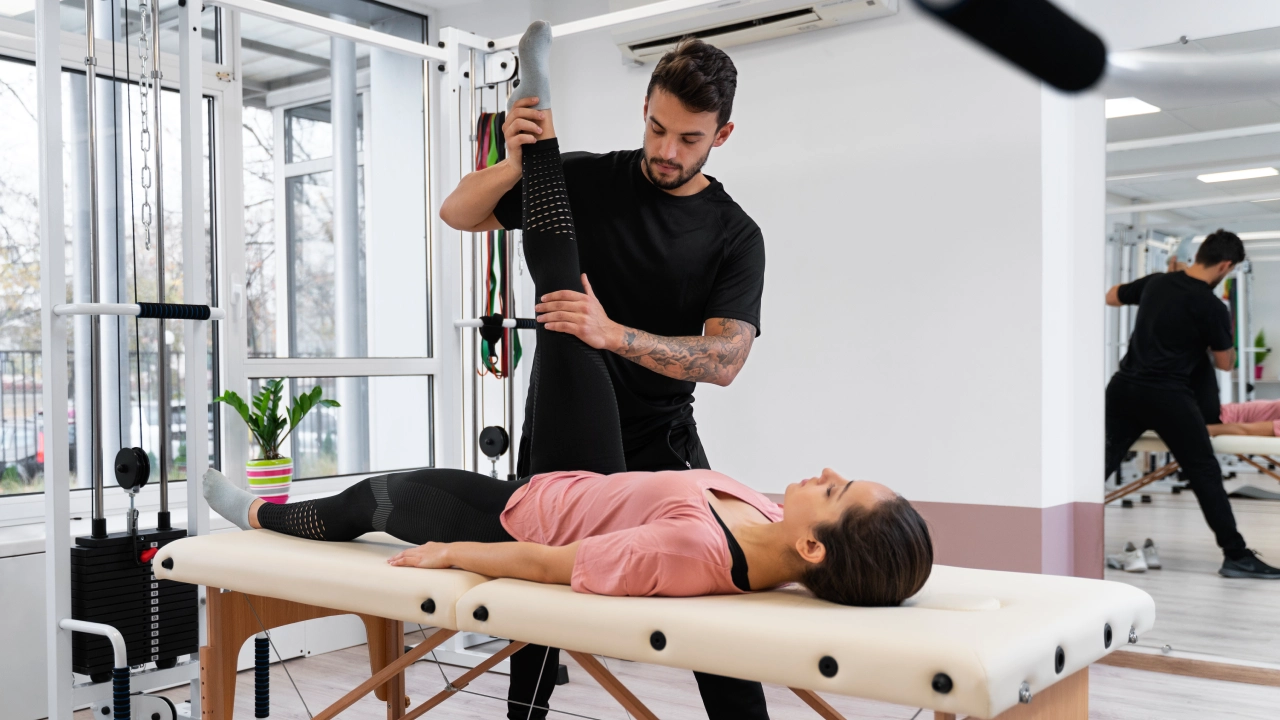
At Prime Health Physiotherapy, care plans are structured to address both the cause and symptoms of synovitis and tenosynovitis.

Assessment and Diagnosis

A detailed assessment helps identify contributing factors such as movement patterns, muscle imbalances, or joint restrictions.

Targeted Exercise Programs

Specific exercises aim to:

  • Improve joint mobility
  • Strengthen surrounding muscles
  • Reduce strain on affected tissues.

Manual Therapy

Hands-on techniques may assist in:

  • Improving joint movement
  • Reducing stiffness
  • Supporting tissue function

Activity Modification

Adjustments to daily routines and work habits can help reduce stress on affected areas and prevent recurrence.

Education and Prevention

Learning proper movement techniques and posture plays a key role in avoiding future flare-ups.

Conditions Commonly Linked to Synovitis & Tenosynovitis

These conditions may appear alongside or as part of other issues, including:

  • Rheumatoid arthritis
  • Overuse injuries
  • Tendon irritation from repetitive strain
  • Joint instability

Addressing the root cause is essential for lasting improvement.

Benefits of Early Physiotherapy Care

Seeking physiotherapy at the right time can help:

  • Reduce joint and tendon irritation.
  • Improve flexibility and strength.
  • Restore functional movement
  • Minimize the risk of long-term joint issues.
  • Support a gradual return to normal activities.

Delaying care may lead to increased stiffness and prolonged recovery time.

Who Can Benefit from Treatment?

Physiotherapy for synovitis and tenosynovitis is suitable for:

  • Office workers with repetitive strain
  • Athletes dealing with overuse injuries
  • Individuals recovering from joint or tendon injuries
  • People with inflammatory joint conditions
  • Anyone experiencing persistent joint or tendon discomfort

Book an Appointment

If you’re dealing with joint swelling, tendon discomfort, or restricted movement, the team at Prime Health Physiotherapy is here to help. Early care can make a significant difference in how quickly and safely you return to your usual activities.

Book an Appointment today and take the first step toward improved movement and function.

Frequently Asked Question (FAQ)

Synovitis affects the lining of a joint, while tenosynovitis involves the sheath surrounding a tendon. Both can cause swelling and discomfort, but occur in different structures.

Recovery time varies depending on severity, activity level, and the timing of care. Some cases improve within weeks, while others may take longer with consistent physiotherapy.

Yes, recurrence is possible if contributing factors such as repetitive strain or poor movement habits are not addressed. Preventive strategies play an important role in reducing risk.

Light, guided exercise is often beneficial, but activities that worsen symptoms should be avoided. A physiotherapist can recommend suitable movements.

If you notice ongoing swelling, stiffness, or discomfort that does not improve within a few days, it’s a good idea to consult a physiotherapist for assessment.

More Conditions