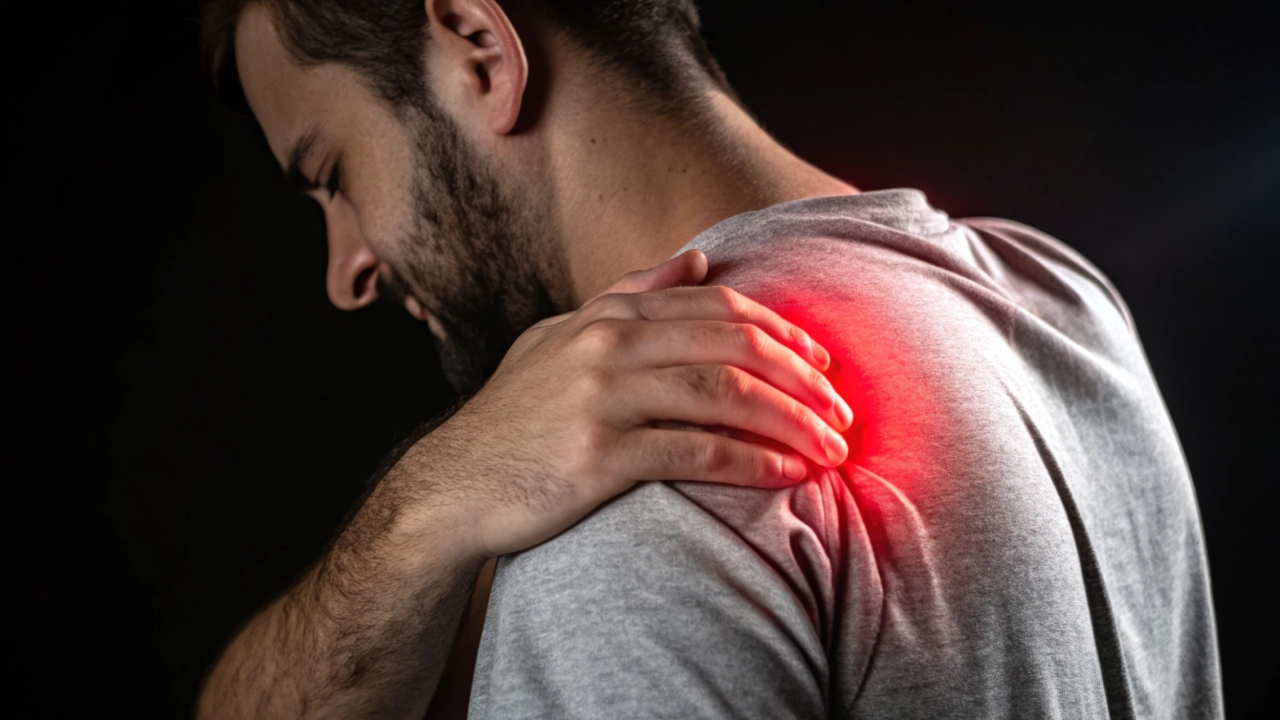
Prolapsed Intervertebral Disc Treatment
A prolapsed intervertebral disc can disrupt daily life in ways that are difficult to ignore. From persistent back discomfort to tingling sensations in the arms or legs, this condition often affects how you move, sit, and even rest. At Prime Health Physiotherapy, care focuses on restoring mobility, reducing strain on the spine, and helping you return to normal routines with confidence.
What Is a Prolapsed Intervertebral Disc?
A Simple Explanation of the Condition
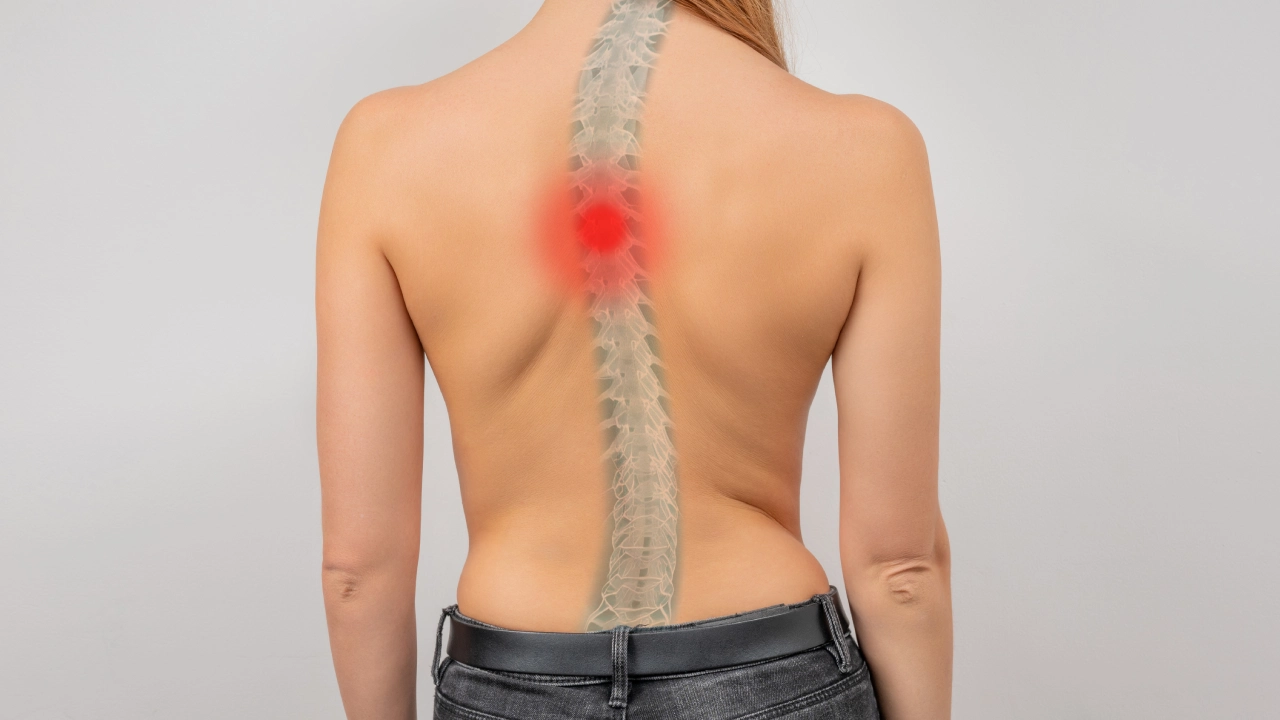
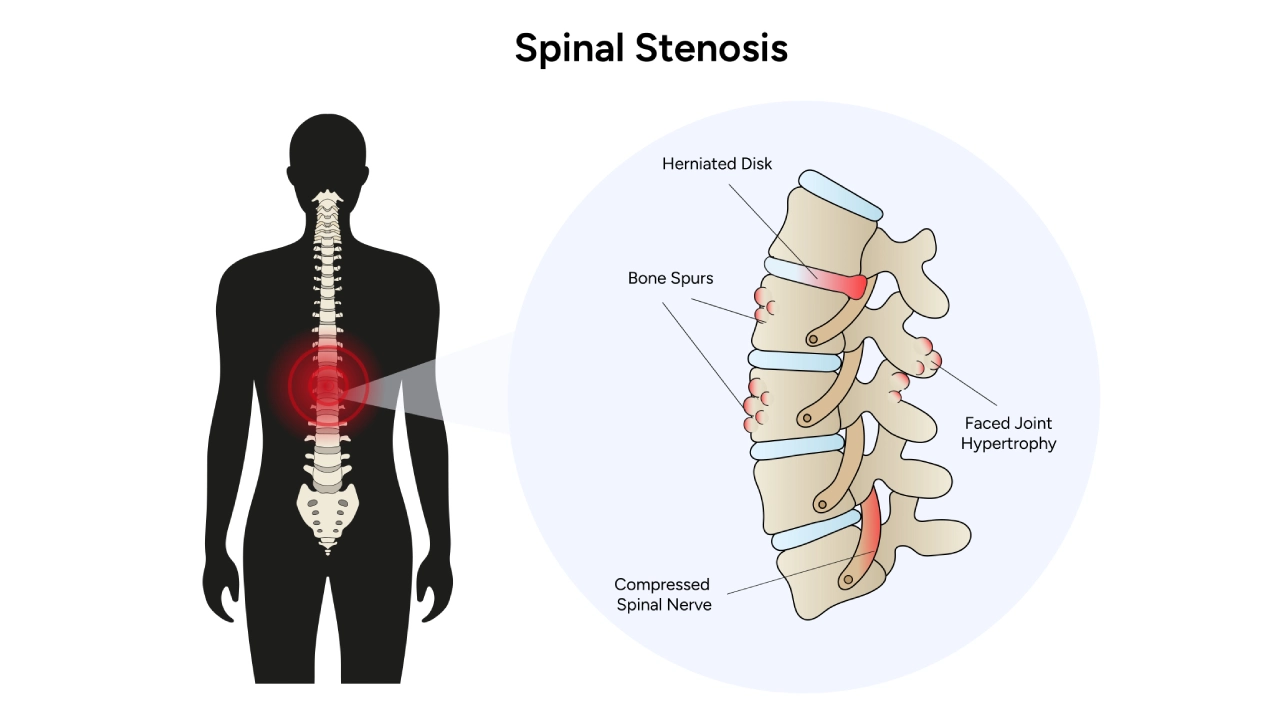
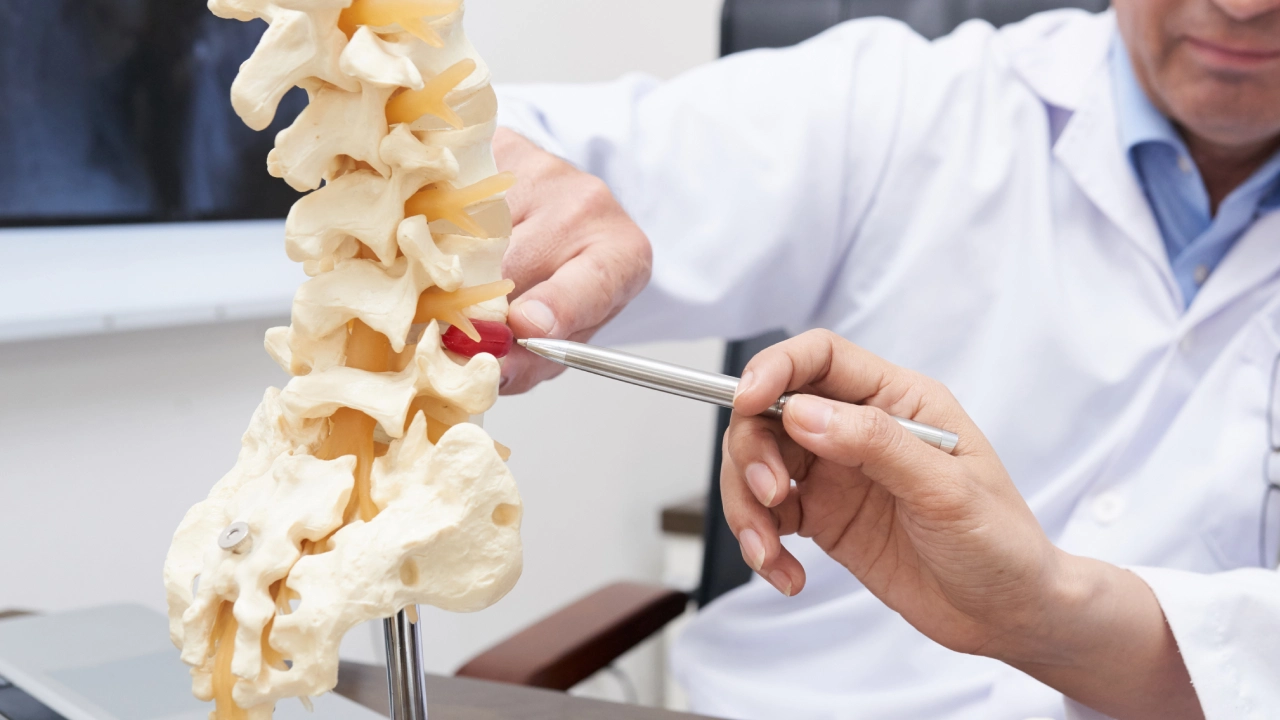
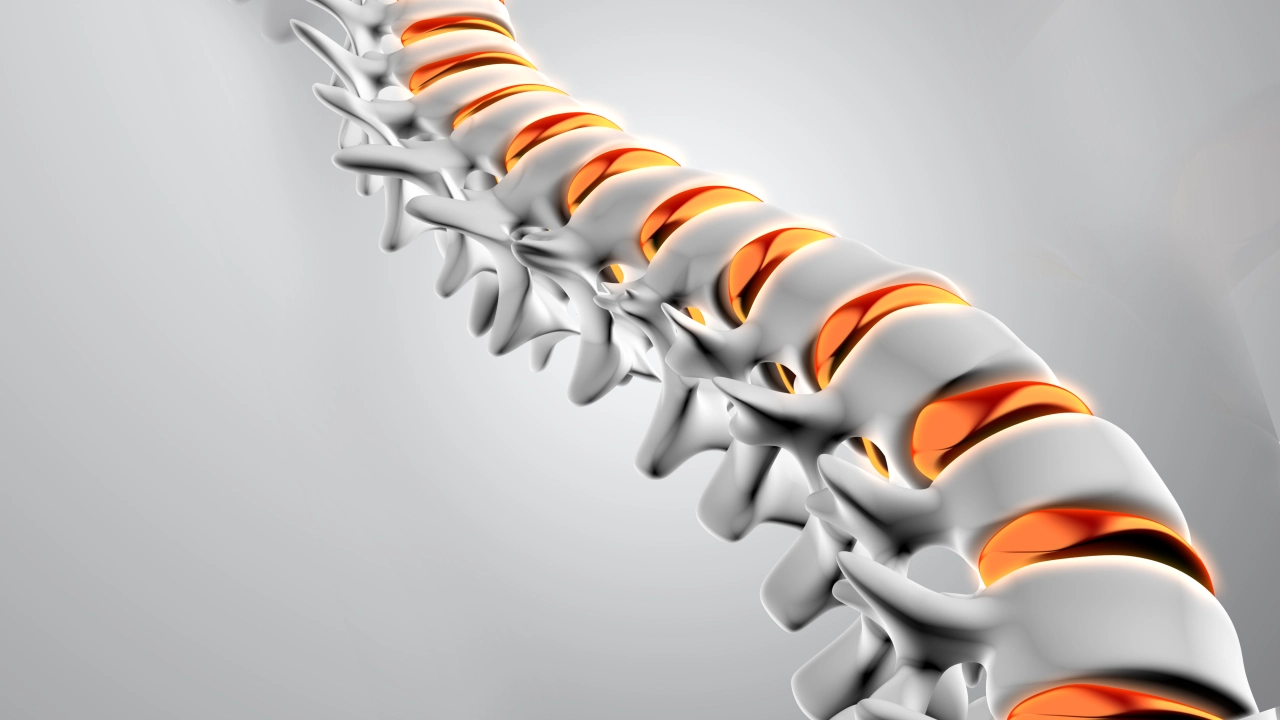
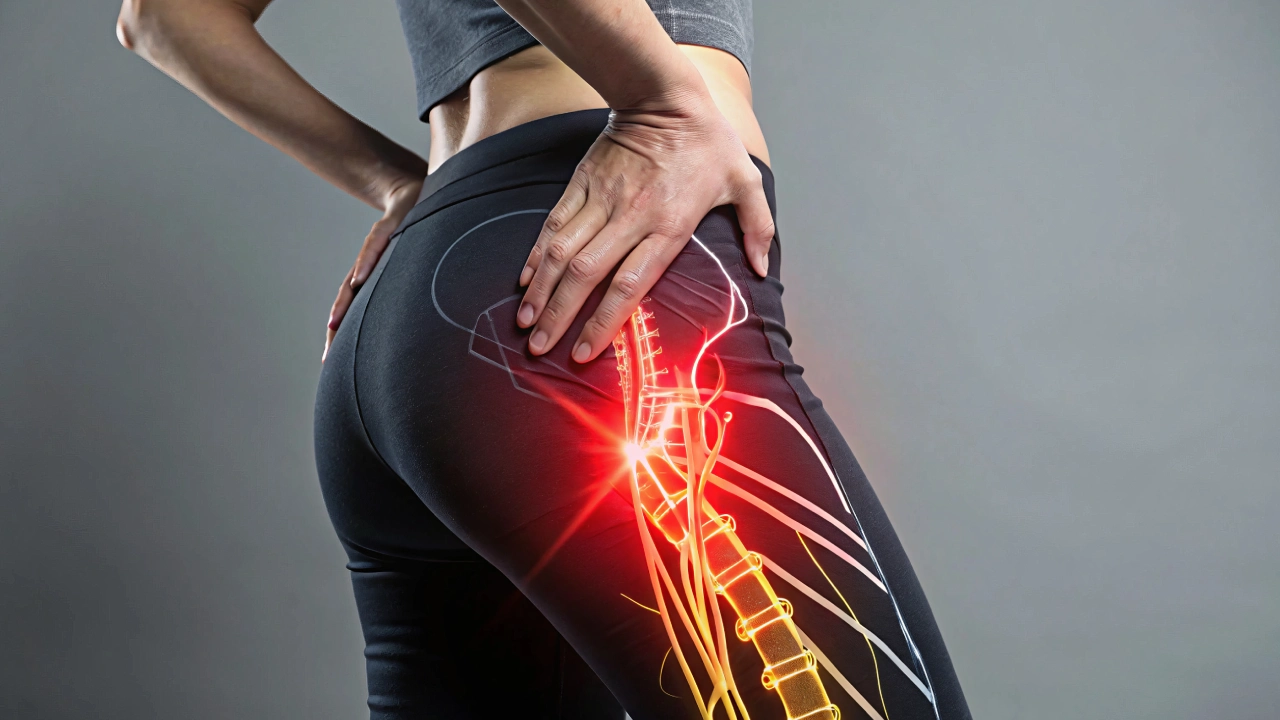
The spine is made up of bones called vertebrae, separated by soft discs that act as cushions. When one of these discs shifts out of place or ruptures, it may press on nearby nerves. This is known as a prolapsed intervertebral disc, sometimes referred to as a slipped or herniated disc.
Common Causes
This condition may develop due to:
- Sudden strain or injury
- Repetitive movements involving bending or lifting
- Poor posture over time
- Age-related wear and tear
Signs You Should Not Ignore
Symptoms can vary depending on the location of the affected disc, but often include:
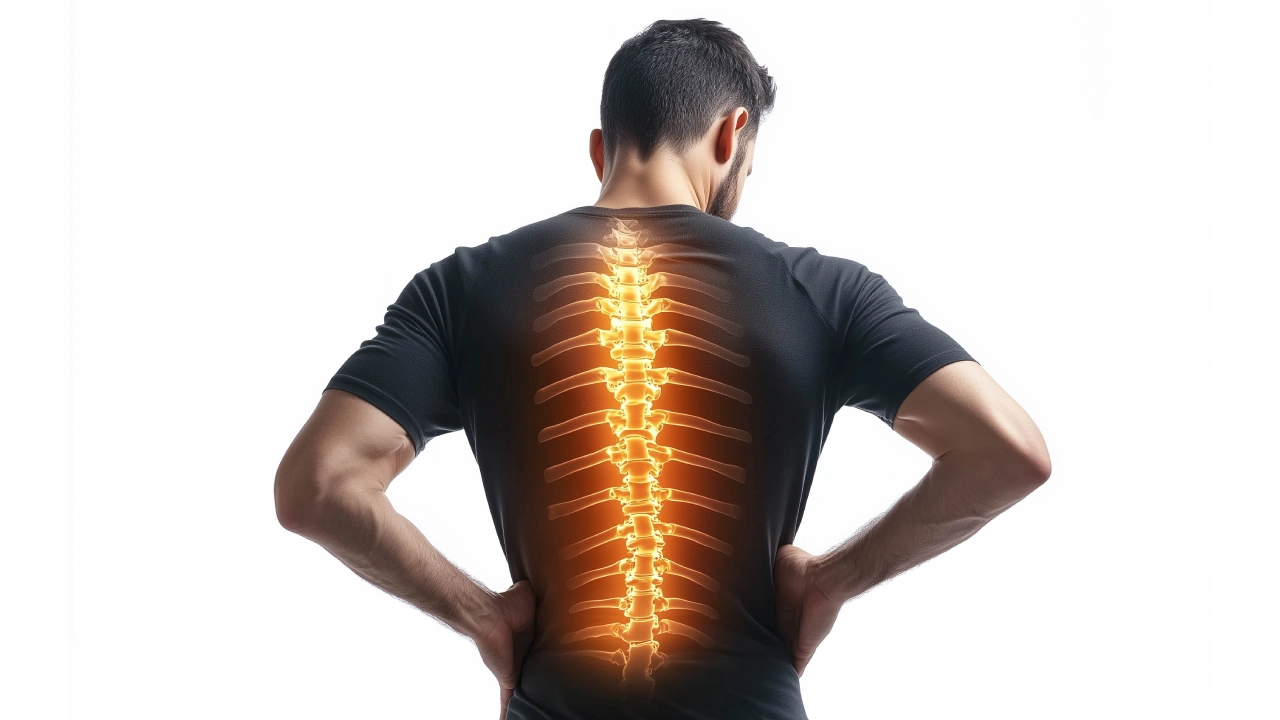
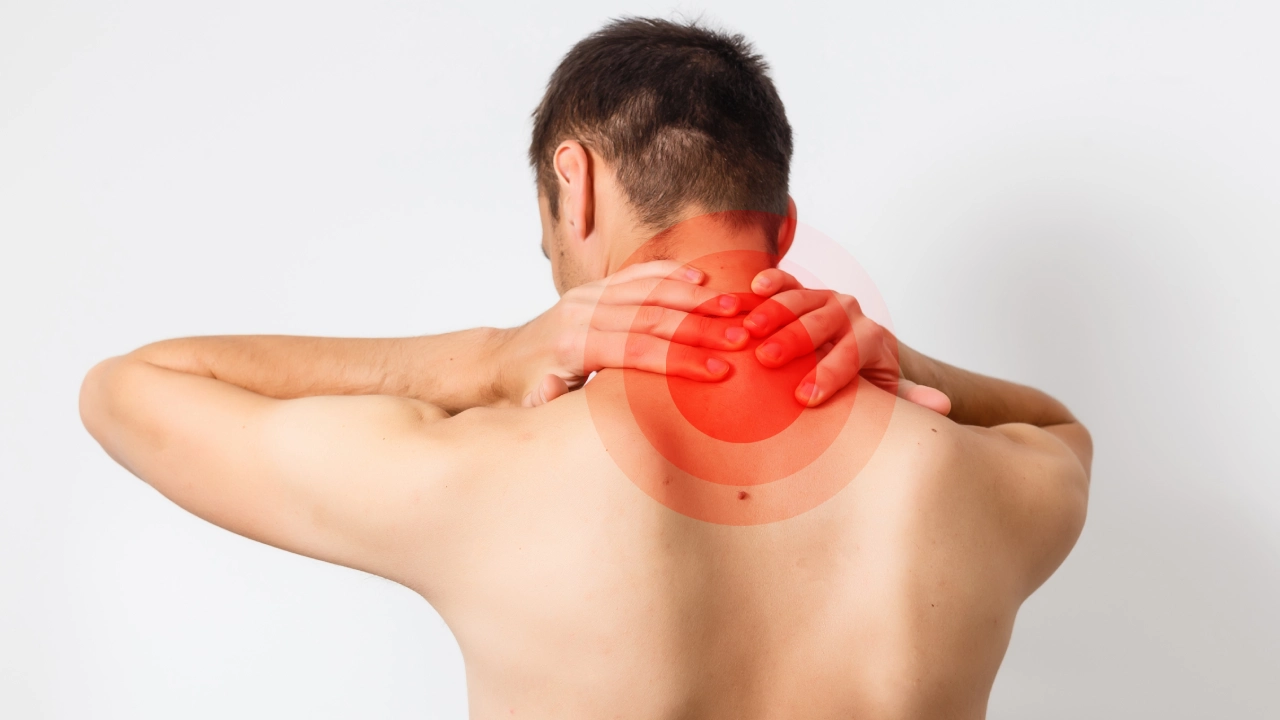
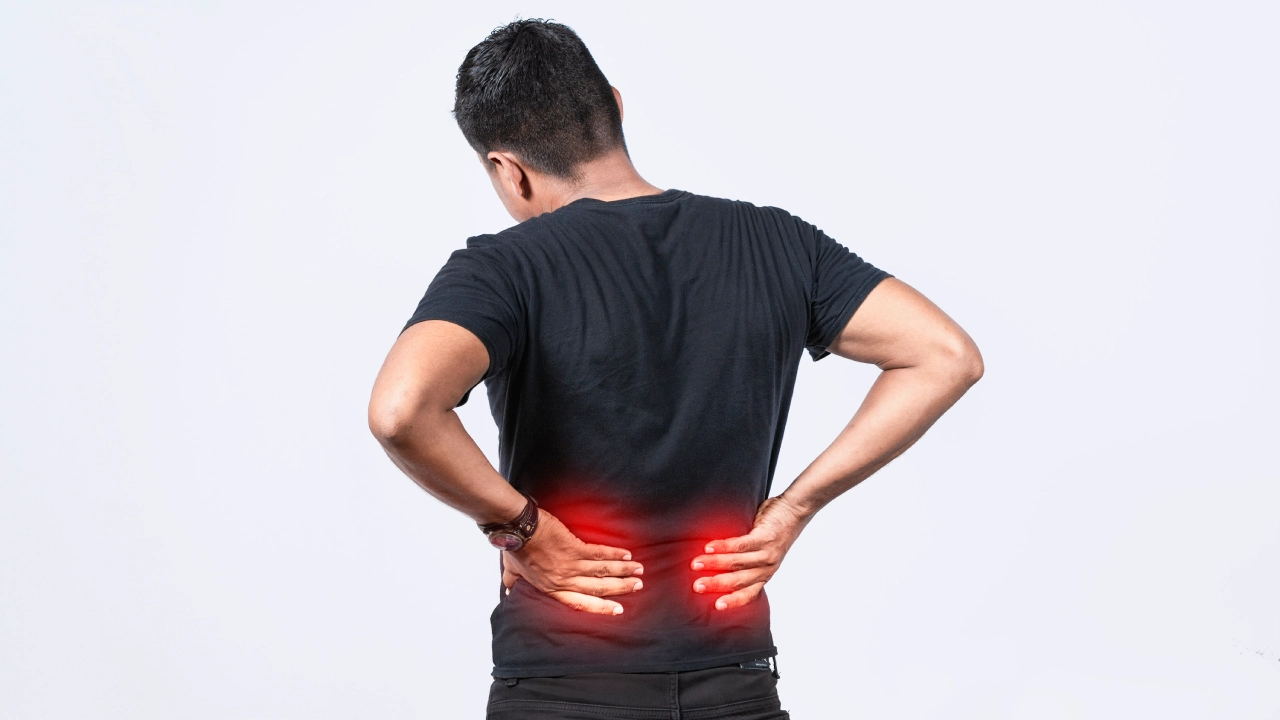
- Back or neck discomfort
- Pain that travels into the arms or legs
- Numbness or tingling sensations
- Muscle weakness
- Difficulty with certain movements
How Prolapsed Intervertebral Disc Treatment Helps
Focus on Movement and Function
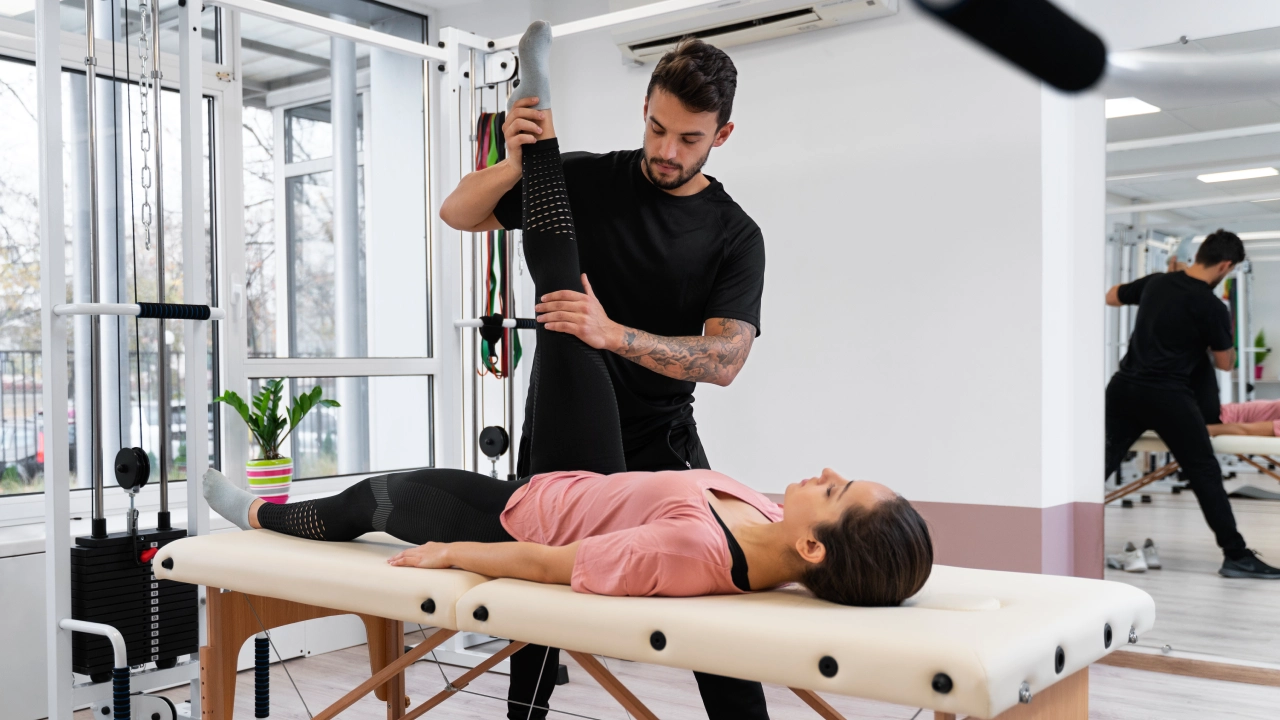
Prolapsed intervertebral disc treatment aims to restore proper movement while reducing pressure on the affected nerves. Physiotherapy plays a key role in improving spinal alignment and muscle support.
What to Expect During Care
At Prime Health Physiotherapy, your care plan may include:
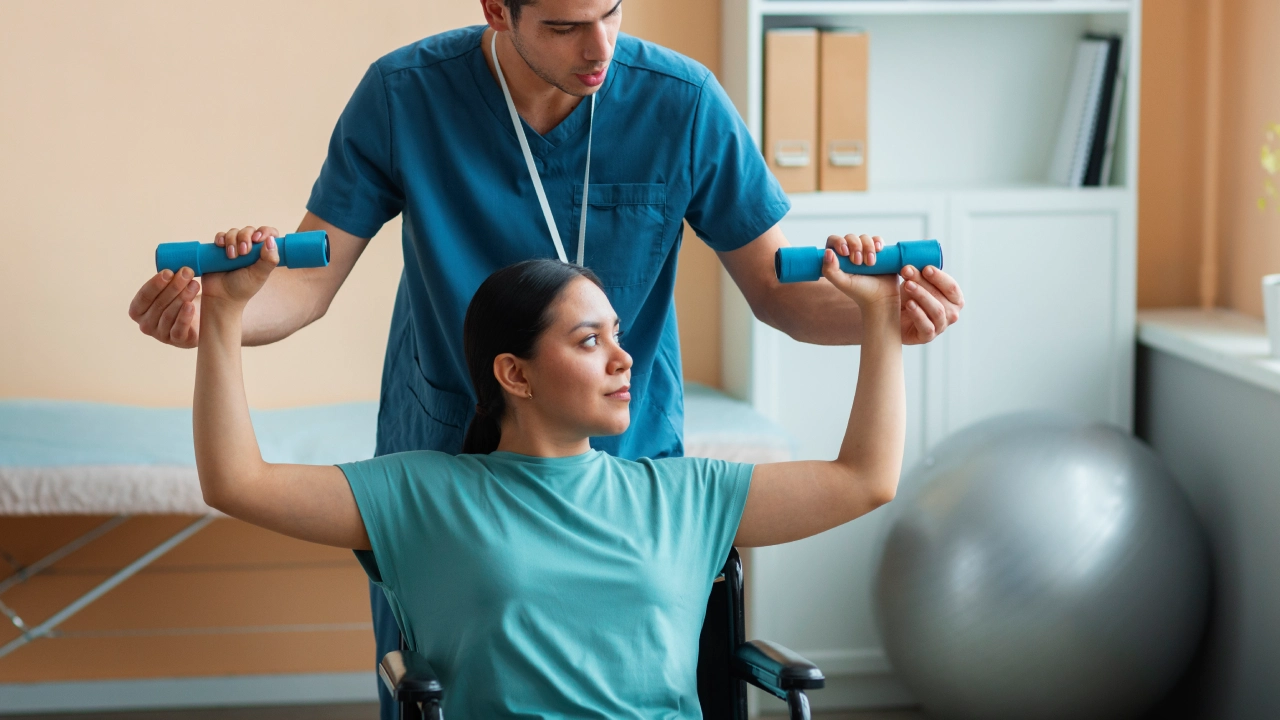
- Guided exercises to improve flexibility and strength
- Postural correction techniques
- Manual therapy to ease stiffness
- Education on safe movement patterns
Each session is structured to help your body adapt and recover gradually.
Why Early Attention Matters
Ignoring symptoms may lead to worsening discomfort and limited mobility. Addressing the issue early allows for:
- Improved range of motion
- Reduced strain on surrounding tissues
- Faster return to everyday activities
Even if symptoms seem mild, an assessment can help identify the root cause and prevent further complications.
Daily Habits That Support Recovery
Movement and Activity
Staying active is important, but movements should be controlled and appropriate. Avoid heavy lifting or sudden twisting motions.
Posture Awareness
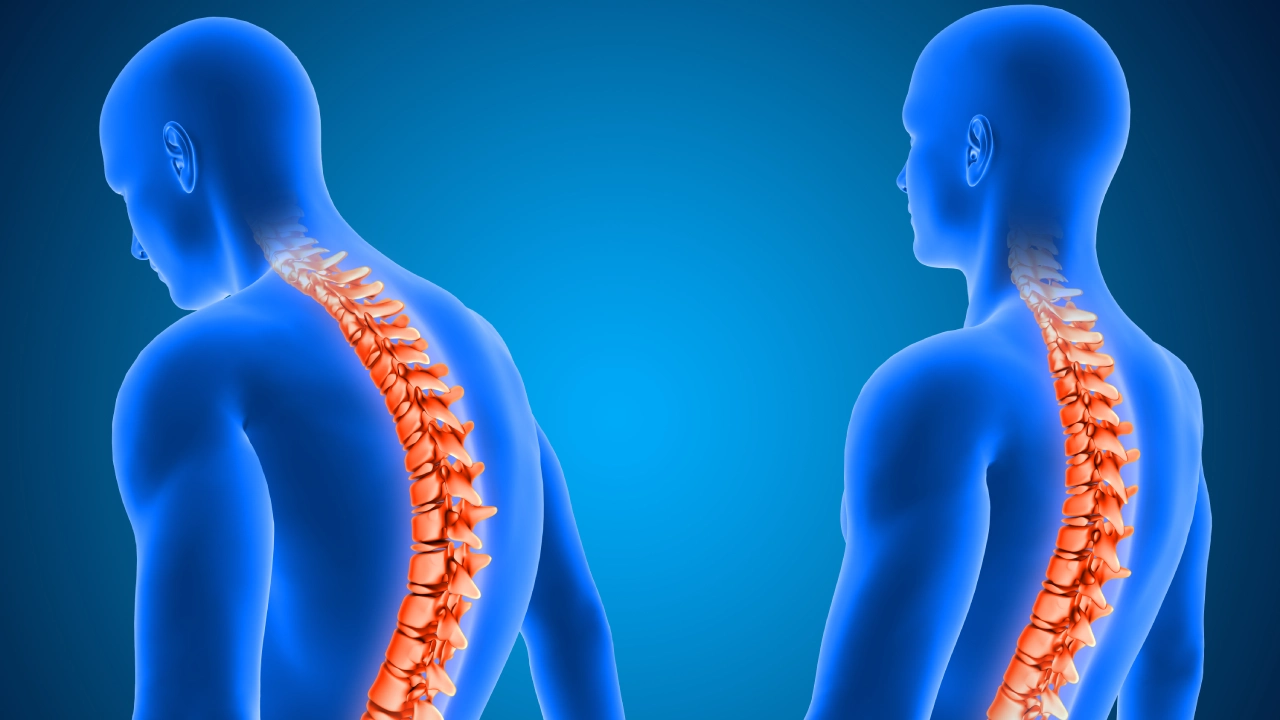
Maintaining proper posture while sitting, standing, and working can reduce stress on the spine. Small adjustments, such as keeping your back supported and shoulders relaxed, can make a noticeable difference.
Workplace Adjustments
If you spend long hours at a desk, consider:
- Using an ergonomic chair
- Adjusting screen height to eye level
- Taking short breaks to stretch
These changes can help reduce ongoing strain.
Who Can Benefit from Prolapsed Intervertebral Disc Treatment?
This type of care is suitable for individuals experiencing:
- Persistent back or neck discomfort
- Radiating pain in limbs
- Reduced flexibility or stiffness
- Difficulty performing daily tasks
Whether the issue developed suddenly or over time, structured physiotherapy can support recovery.
Your Care Journey at Prime Health Physiotherapy
Initial Assessment
Your first visit involves a detailed evaluation of your symptoms, movement patterns, and posture. This helps identify the exact source of the problem.
Structured Care Plan
Based on the assessment, a plan is created focusing on gradual progress. Exercises and techniques are introduced step by step.
Ongoing Support
Progress is monitored regularly, and adjustments are made as needed. The aim is to help you move with confidence while reducing the risk of recurrence.
Take the First Step Toward Improved Mobility
If you are experiencing discomfort related to a prolapsed intervertebral disc, taking action early can make a significant difference.
Prime Health Physiotherapy provides focused care aimed at improving movement and reducing strain on the spine. With consistent care, attention to movement, and professional support from us, you can work toward restoring comfort and function.
Book online to schedule your assessment and begin your recovery journey.
Frequently Asked Question (FAQ)
It can occur due to sudden injury, repetitive strain, or gradual wear and tear over time. Poor posture and improper lifting techniques may also contribute.
Recovery time varies depending on the severity of the condition and how the body responds to care. Some individuals notice improvement within weeks, while others may require a longer period.
In many cases, yes. However, adjustments to your work environment and daily activities may be necessary to avoid further strain.
Surgery is not always necessary. Many individuals manage the condition effectively through physiotherapy and lifestyle changes.
Maintaining proper posture, staying active, and following recommended exercises can help reduce the risk of recurrence.