Tendinitis
Tendinitis
Tendinitis can make even simple daily tasks feel difficult. Whether it affects your shoulder, elbow, knee, or wrist, this condition often develops from repetitive strain, overuse, or sudden increases in activity. At Prime Health Physiotherapy, care focuses on helping individuals regain comfortable movement and return to daily routines with confidence.
What Is Tendinitis?
Tendinitis refers to inflammation or irritation of a tendon, the thick cord that connects muscle to bone. When a tendon becomes stressed repeatedly, tiny tears can develop, leading to discomfort, swelling, and stiffness.
Common Areas Affected by Tendinitis
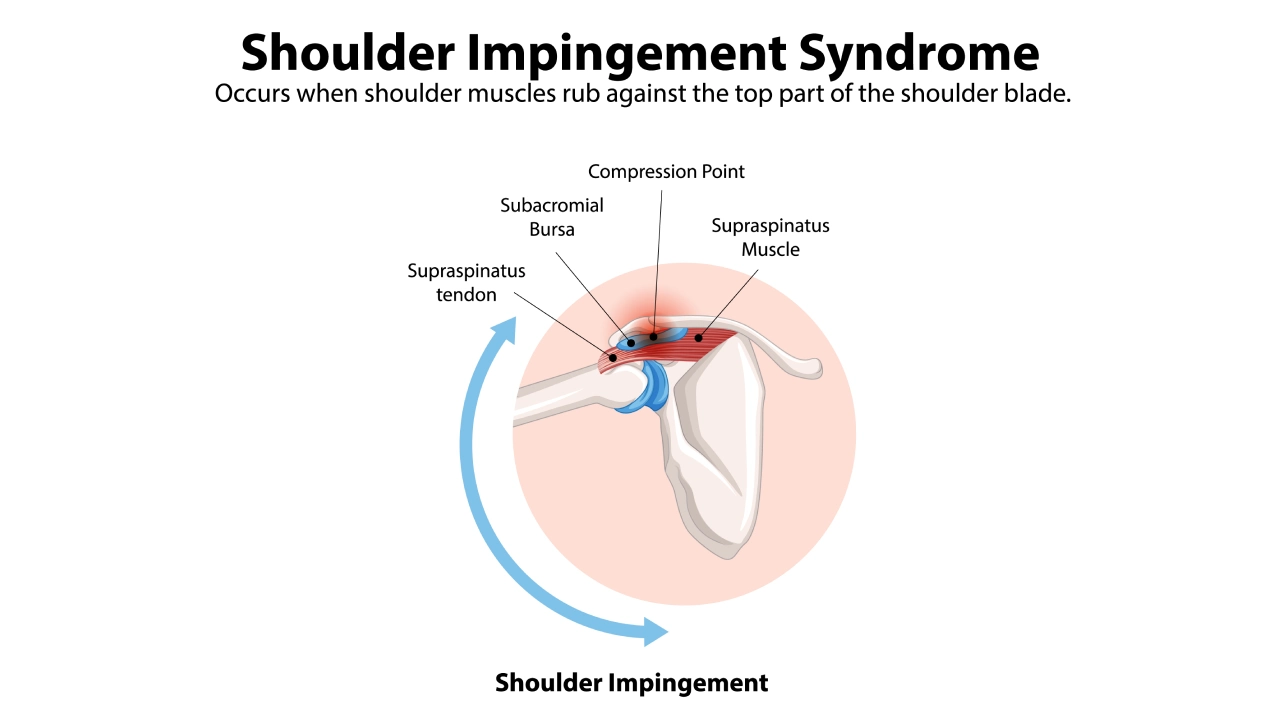
- Shoulder (rotator cuff)
- Elbow (tennis elbow or golfer’s elbow)
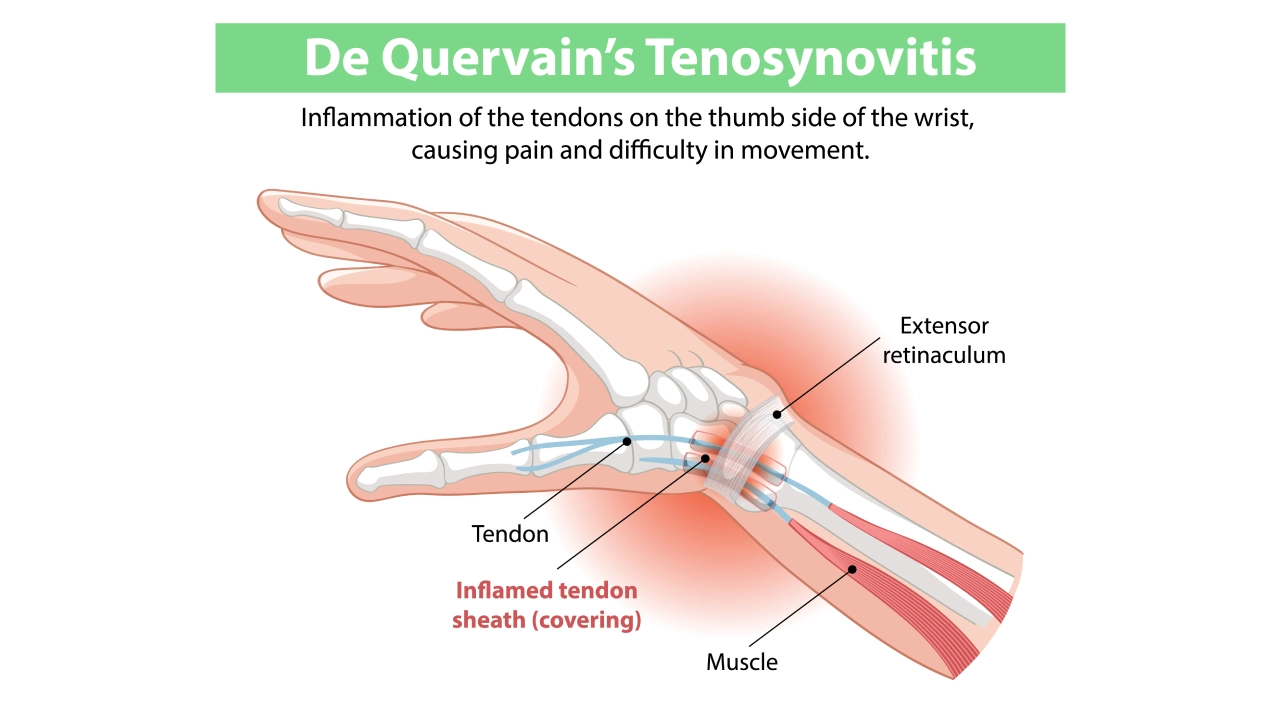
- Wrist and thumb
- Knee (patellar tendon)
- Achilles tendon (back of the ankle)
This condition can affect people of all activity levels, from office workers to athletes.
Causes of Tendinitis
Tendinitis often develops over time rather than from a single injury. Some common causes include:
Repetitive Movements
Tasks such as typing, lifting, or sports activities can strain tendons when repeated frequently.
Sudden Increase in Activity
Jumping into intense physical activity without gradual progression can overload tendons.
Poor Posture or Technique
Incorrect body mechanics during work or exercise can place extra stress on specific tendons.
Age-Related Changes
As tendons age, they become less flexible and more prone to irritation.
Signs and Symptoms of Tendinitis
Recognizing symptoms early can make a significant difference in recovery time.
Common Symptoms Include:
- Pain at the site of the tendon
- Stiffness, especially in the morning
- Swelling or warmth
- Reduced range of motion
- Discomfort during movement or activity
Symptoms may begin mildly and gradually worsen if left unaddressed.
How Tendinitis Affects Daily Life
Tendinitis can interfere with routine activities such as lifting objects, walking, typing, or even sleeping comfortably. Without proper care, it may progress into a chronic issue, making movement increasingly restricted.
Early attention can help prevent further strain and support a smoother recovery process.
Tendinitis Treatment at Prime Health Physiotherapy
At Prime Health Physiotherapy, treatment plans are structured around each individual’s condition, activity level, and goals. The focus is on reducing strain, improving movement, and restoring function.
Initial Assessment
A detailed evaluation is conducted to identify:
- The affected tendon
- Movement limitations
- Contributing factors such as posture or repetitive strain
Targeted Exercise Programs
Specific exercises are introduced to:
- Strengthen surrounding muscles
- Improve flexibility
- Support tendon recovery
Manual Therapy
Hands-on techniques may be used to improve joint and soft tissue mobility, helping reduce stiffness and discomfort.
Activity Modification
Adjustments to daily habits or physical routines can help prevent further irritation of the tendon.
Education and Prevention
Patients receive practical advice on movement patterns, posture, and workload management to reduce the risk of recurrence.
Recovery Timeline for Tendinitis
Recovery varies depending on the severity and duration of symptoms.
Mild Cases
May improve within a few weeks with proper care and rest.
Moderate to Severe Cases
It can take several weeks to months, especially if the tendon has been under stress for a long period.
Consistency with exercises and recommended adjustments plays a key role in recovery.
Preventing Tendinitis
Preventative strategies can help reduce the likelihood of developing tendinitis again.
Key Prevention Tips:
- Warm up before physical activity.
- Gradually increase intensity in workouts.
- Maintain proper posture during work and exercise.
- Take regular breaks during repetitive tasks.
- Use proper techniques in sports and lifting.
Making small adjustments in daily routines can significantly reduce tendon strain.
When to Seek Physiotherapy for Tendinitis
It may be time to consider physiotherapy if:
- Pain persists for more than a few days.
- Movement becomes restricted.
- Symptoms worsen with activity.
- Daily tasks become difficult.
Early care can help address the root cause and prevent long-term complications.
Why Choose Prime Health Physiotherapy for Tendinitis Care
Prime Health Physiotherapy focuses on restoring movement through structured care plans and consistent follow-up. The approach emphasizes identifying contributing factors, improving mobility, and helping patients return to their usual activities with greater ease.
Book an Appointment
If tendinitis is affecting your daily routine, scheduling an assessment can be the first step toward improved movement and reduced discomfort.
We offer assessments designed to identify the cause of tendon irritation and create a clear plan for recovery.
Call today to book your appointment.
Frequently Asked Question (FAQ)
Tendinitis is usually caused by repetitive movements, overuse, or sudden increases in physical activity that strain a tendon over time.
Mild cases may settle with rest, but ongoing symptoms often require structured care to address underlying issues and prevent recurrence.
Recovery can range from a few weeks to several months, depending on severity and how early care begins.
Certain exercises may help, but continuing high-strain activities can worsen the condition. A guided exercise plan is recommended.
Untreated tendinitis can lead to chronic pain, reduced mobility, and increased risk of tendon damage over time.