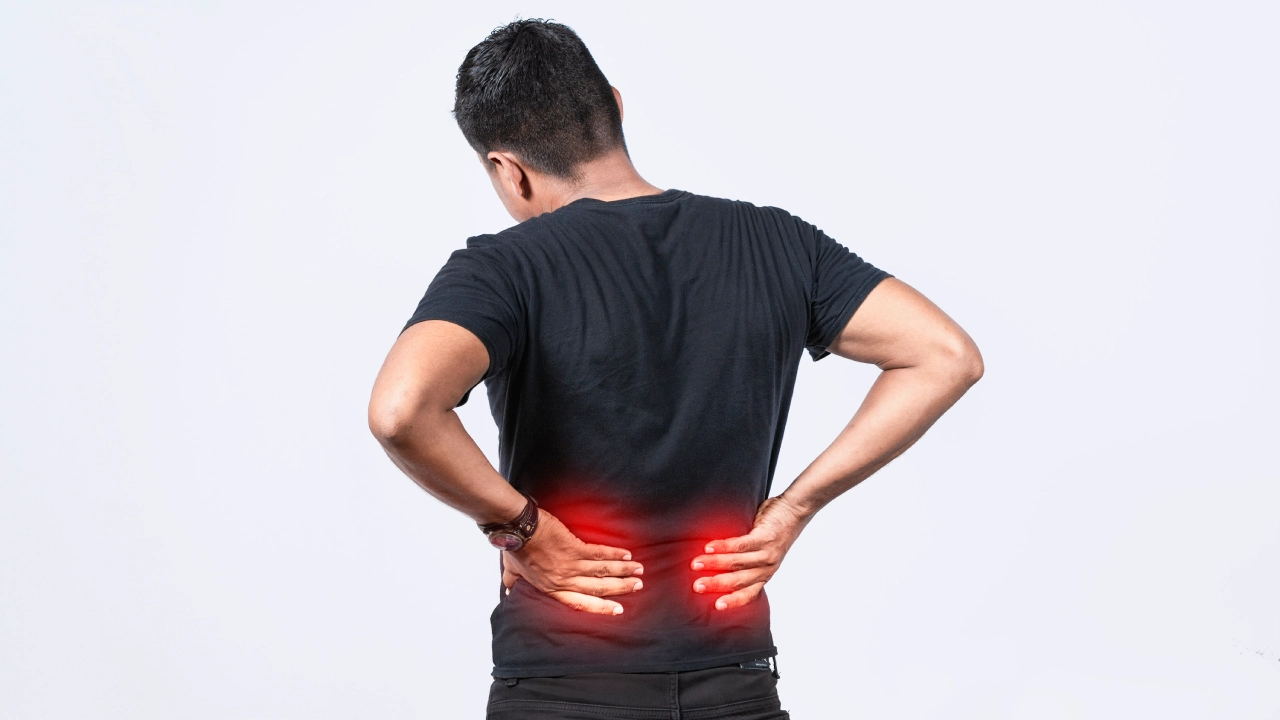
Work-Related Injuries
Workplaces can expose individuals to physical strain, repetitive movements, heavy lifting, and prolonged sitting or standing. These factors often contribute to Work-related injuries, which can interfere with daily activities, productivity, and overall mobility. At Prime Health Physiotherapy, the focus is on helping individuals address Work-related injuries through structured physiotherapy care that promotes safe movement, improved strength, and gradual return to work tasks.
Whether the injury occurred suddenly or developed over time due to repeated strain, addressing Work-related injuries early can help reduce complications and support a smoother recovery process. Our clinic works with people from many professions, including office workers and healthcare providers, as well as construction workers and warehouse staff who experience Work-related injuries affecting different areas of the body.
What Causes Work-Related Injuries in the Workplace
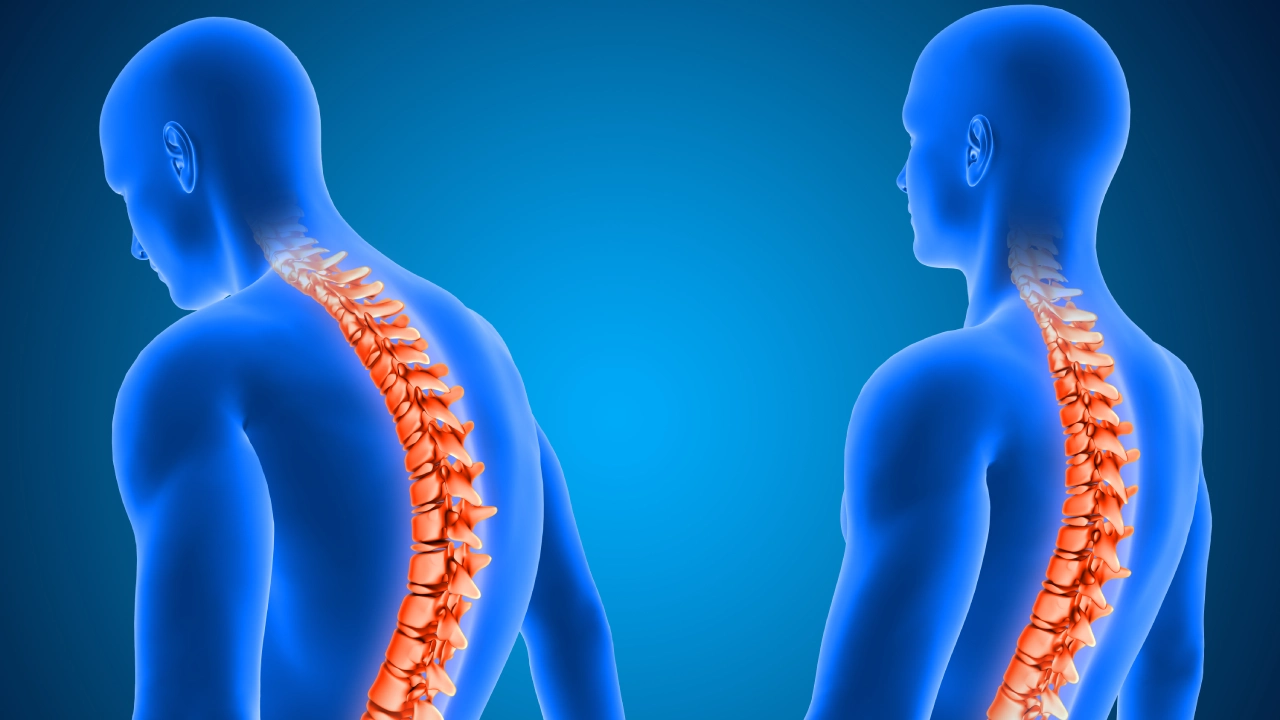
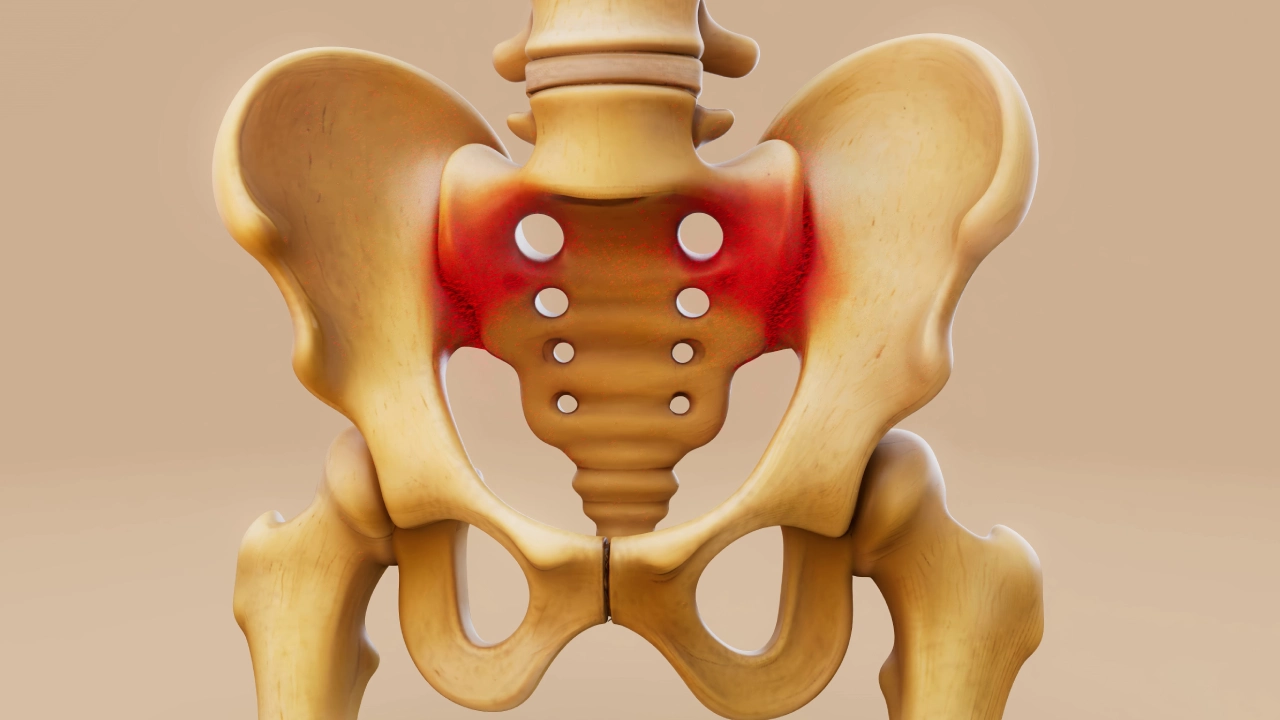
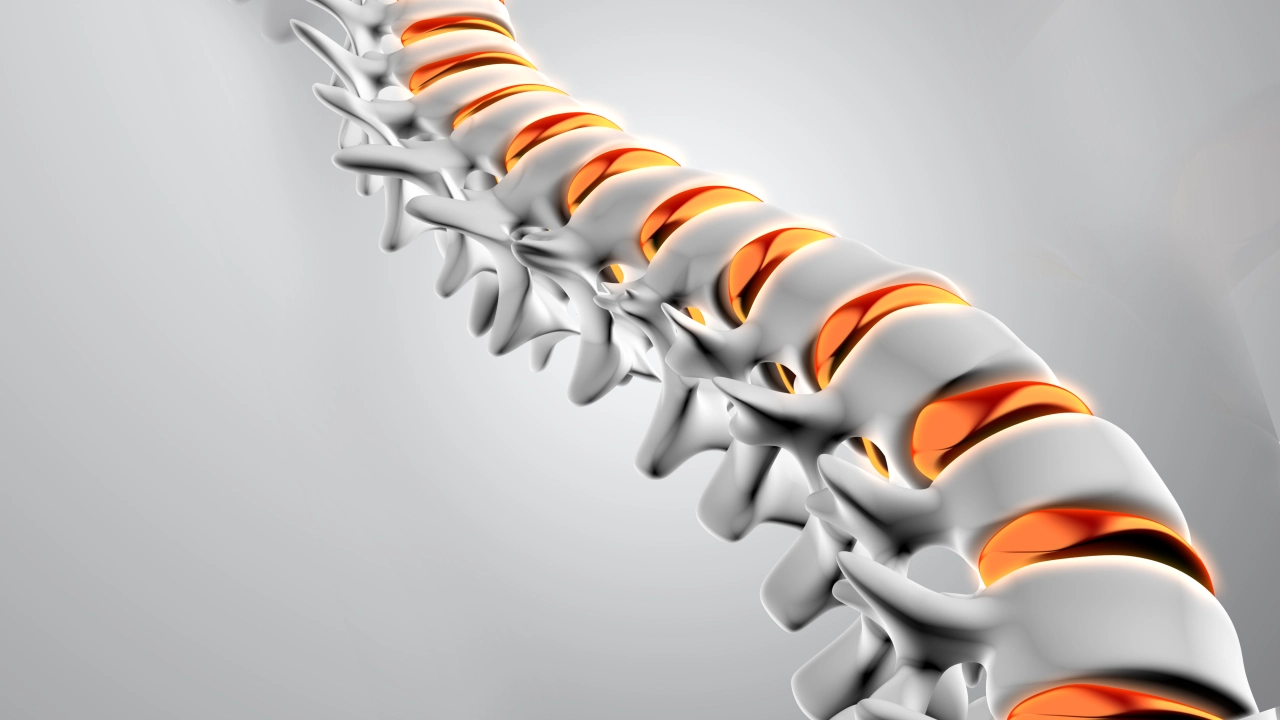
Work-related injuries occur when physical strain, accidents, or workplace conditions cause damage to muscles, joints, ligaments, or nerves. These injuries may arise from lifting heavy loads, repetitive motions, slips or falls, poor workstation ergonomics, or extended periods of physical labour.
Common types of Work-related injuries include:
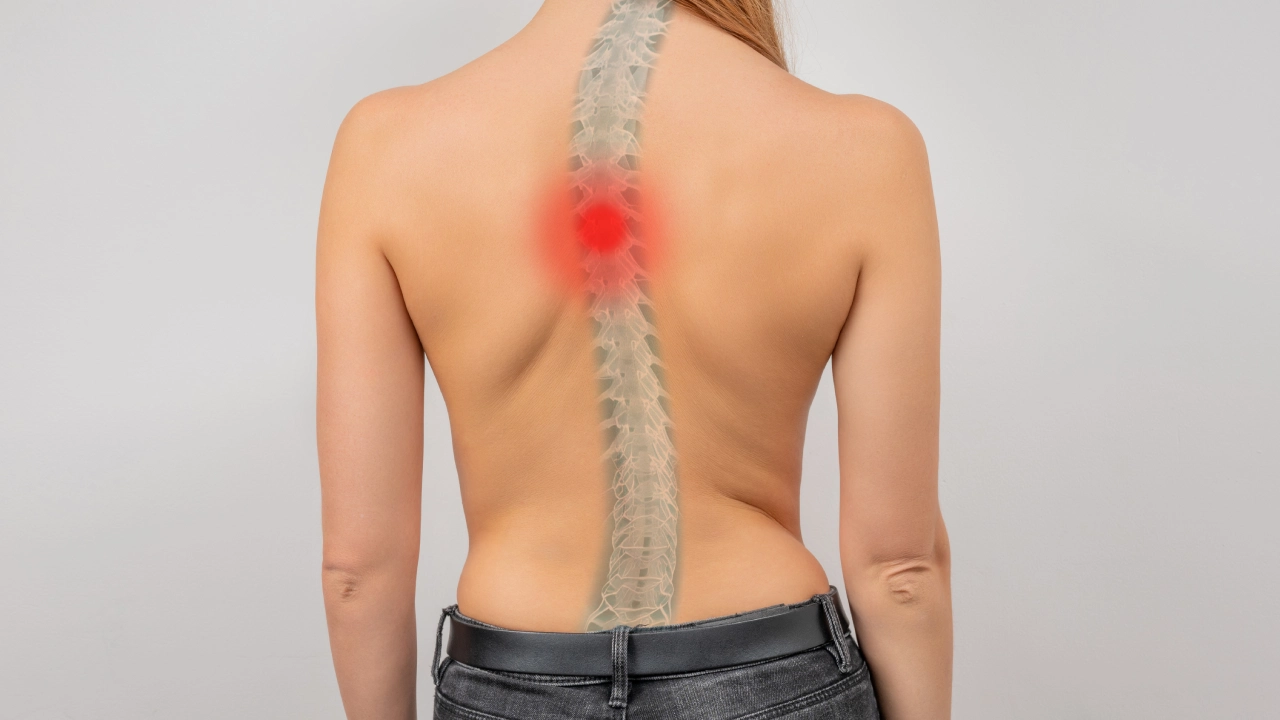
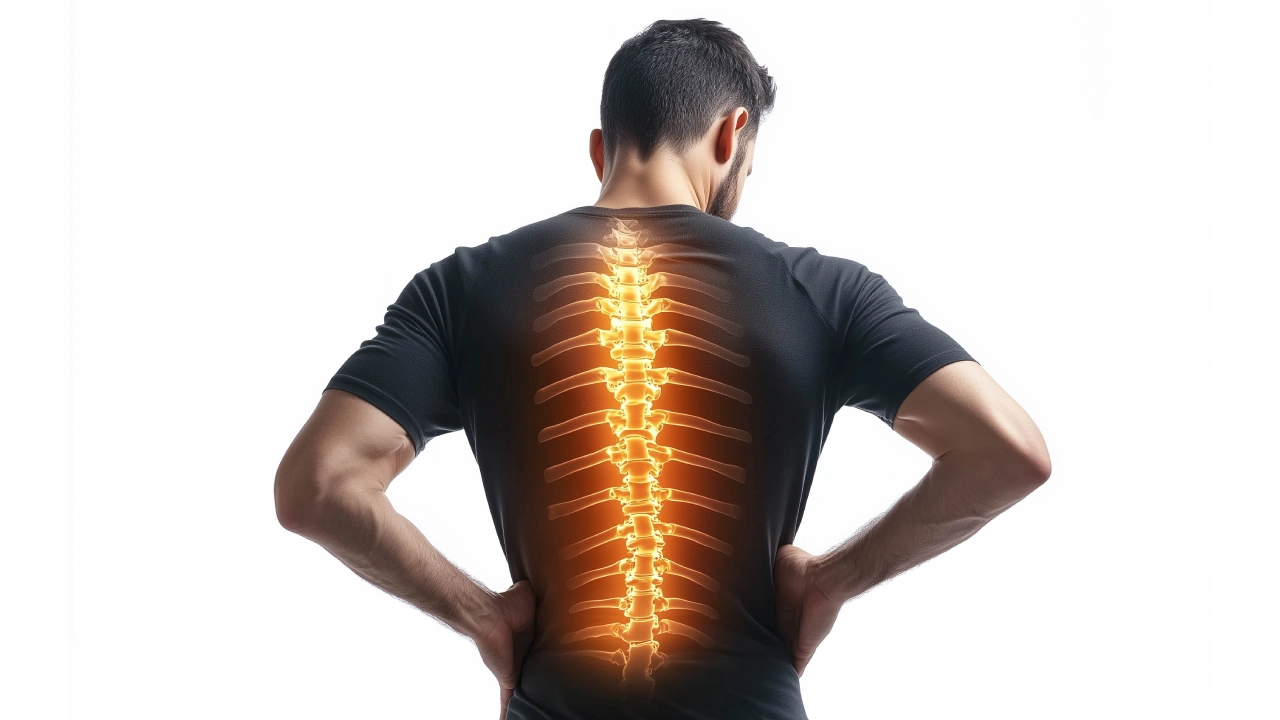
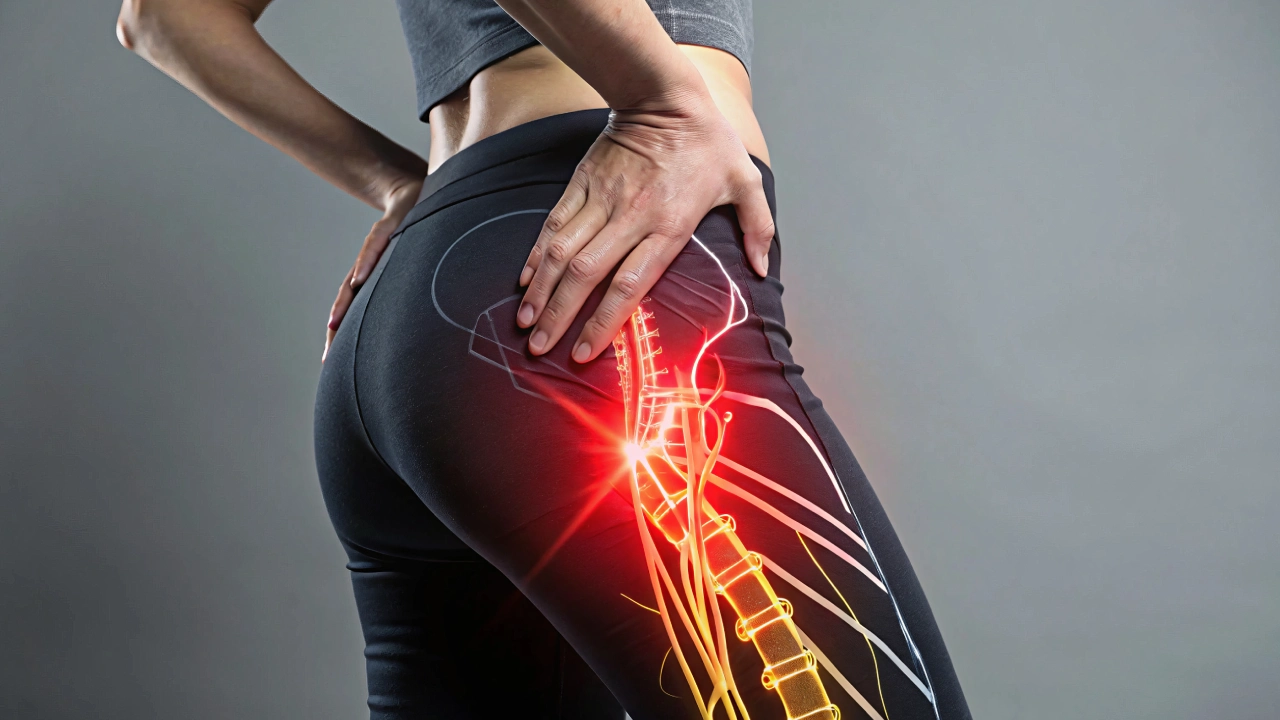
- Back and neck strain
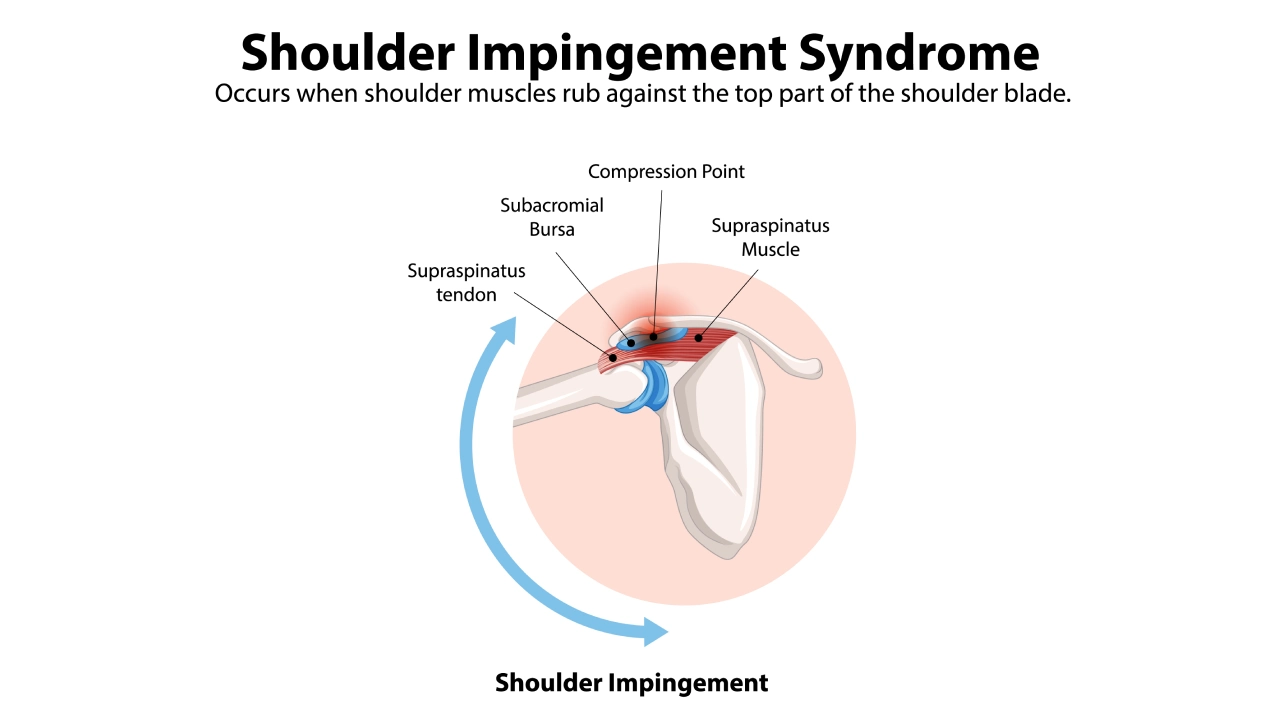
- Shoulder and rotator cuff irritation
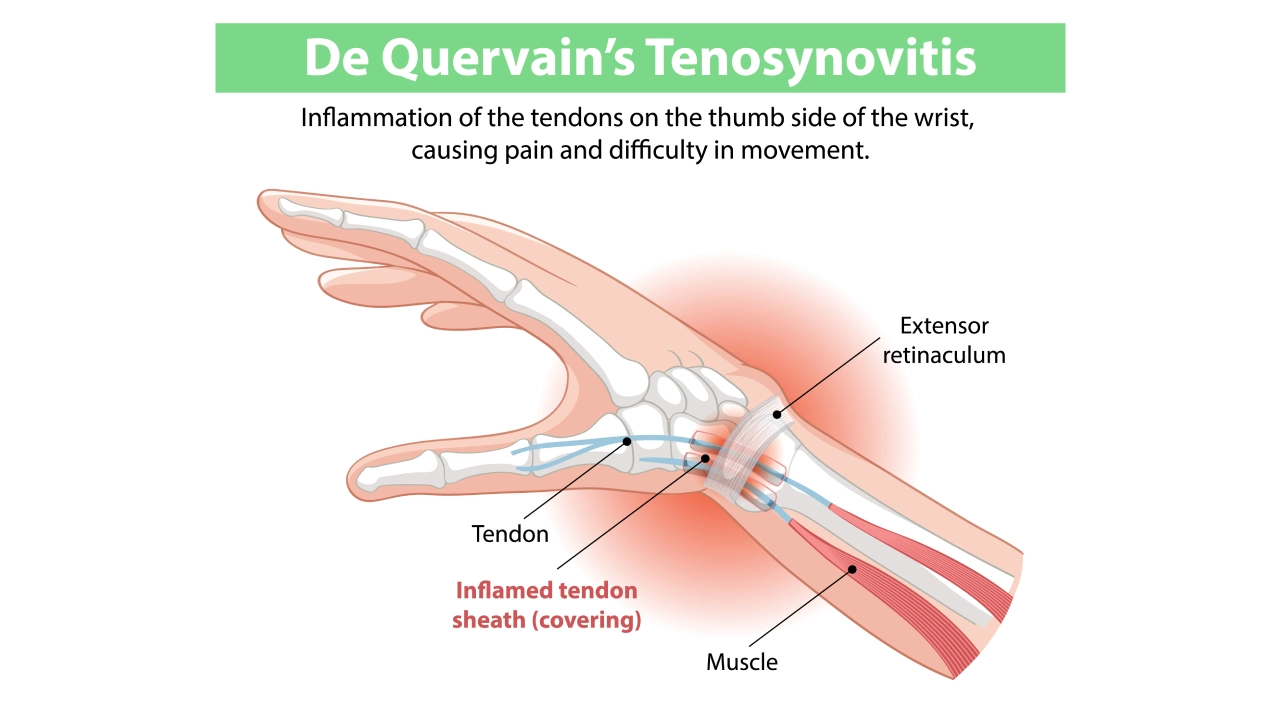
- Wrist and hand conditions, such as repetitive strain
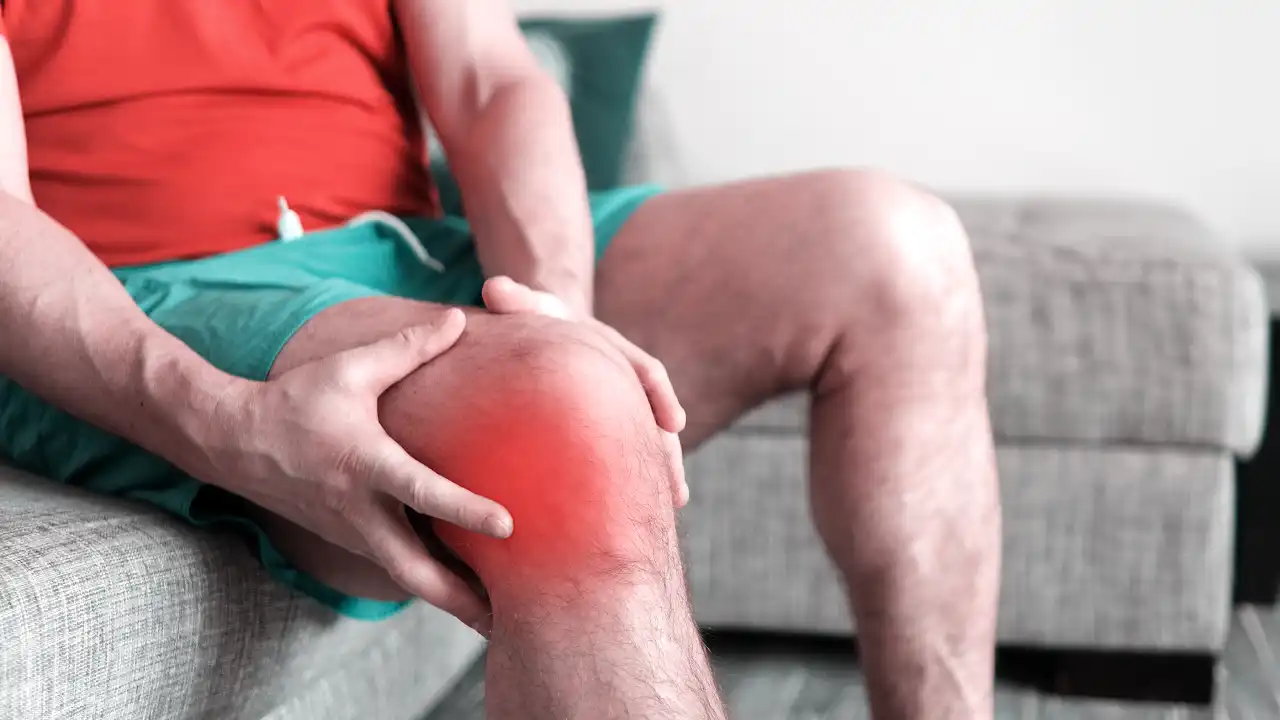
- Knee stress from lifting or kneeling
- Tendon irritation in the elbows and forearms
- Muscle strain caused by lifting or twisting
Many individuals initially ignore mild discomfort, assuming it will pass on its own. However, untreated Work-related injuries can gradually worsen, leading to ongoing discomfort, reduced strength, and difficulty performing job tasks.
Physiotherapy focuses on addressing these problems early so the body can regain mobility and physical stability.
Signs You May Be Experiencing Work-Related Injuries
Recognizing early symptoms can help prevent a minor issue from becoming a long-lasting condition. Work-related injuries often develop gradually before becoming more noticeable.
Common signs include:
- Persistent stiffness in the neck, shoulders, or back
- Tingling or numbness in the arms or hands
- Discomfort when lifting, bending, or twisting
- Reduced flexibility in joints
- Muscle fatigue during normal work activities
- Swelling or irritation around joints
When these symptoms continue for days or weeks, they may indicate underlying Work-related injuries that require physiotherapy support.
Causes of Work-Related Injuries in Different Occupations
Every profession carries unique physical demands. As a result, Work-related injuries can affect individuals in many industries.
Repetitive Motion Tasks
Workers who perform the same movement repeatedly, such as typing, assembly line work, or packaging, can develop strain in the wrists, elbows, or shoulders. Over time, repetitive stress may lead to Work-related injuries involving tendons or nerves.
Heavy Lifting and Manual Labour
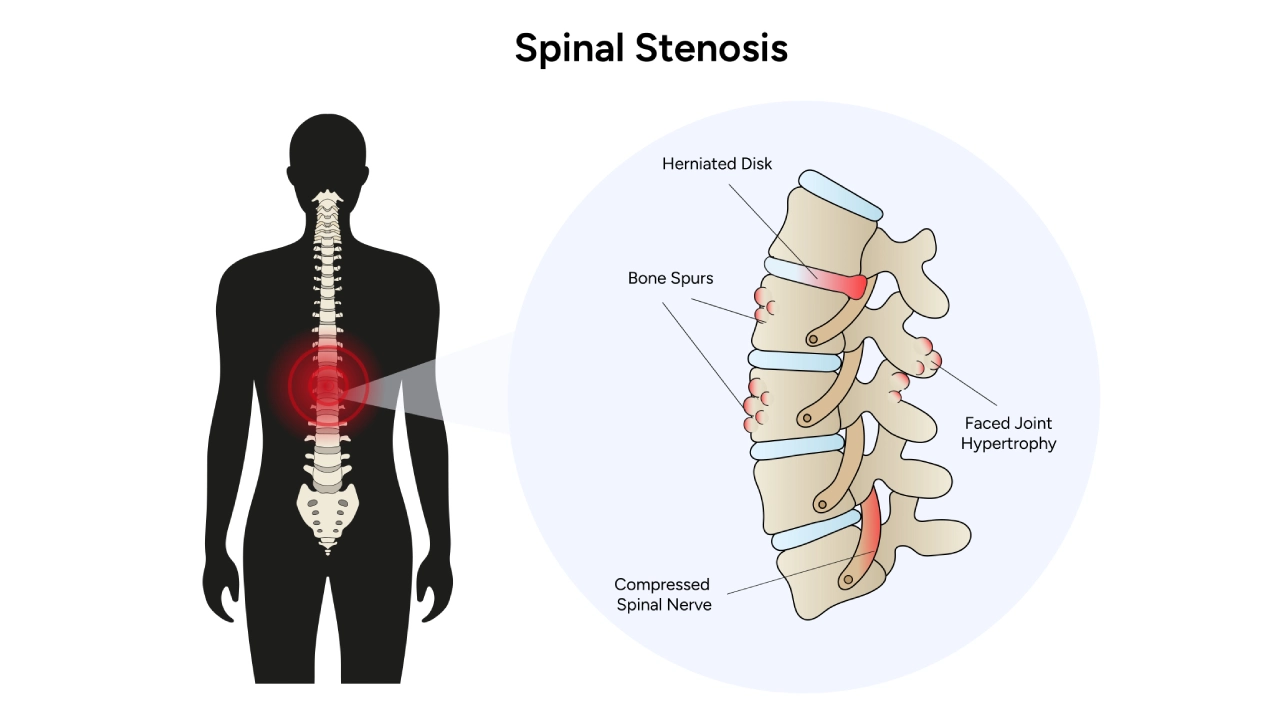
Jobs that require lifting or carrying heavy loads can strain the lower back and knees. Improper lifting techniques can increase the risk of Work-related injuries affecting spinal structures and surrounding muscles.
Prolonged Sitting
Office professionals frequently experience Work-related injuries due to poor posture and extended computer use. Neck stiffness, shoulder tension, and lower back discomfort are common results.
Slips, Trips, and Falls
Sudden workplace accidents can also result in Work-related injuries such as sprains, muscle strain, or joint irritation.
Physiotherapy for Work-Related Injuries
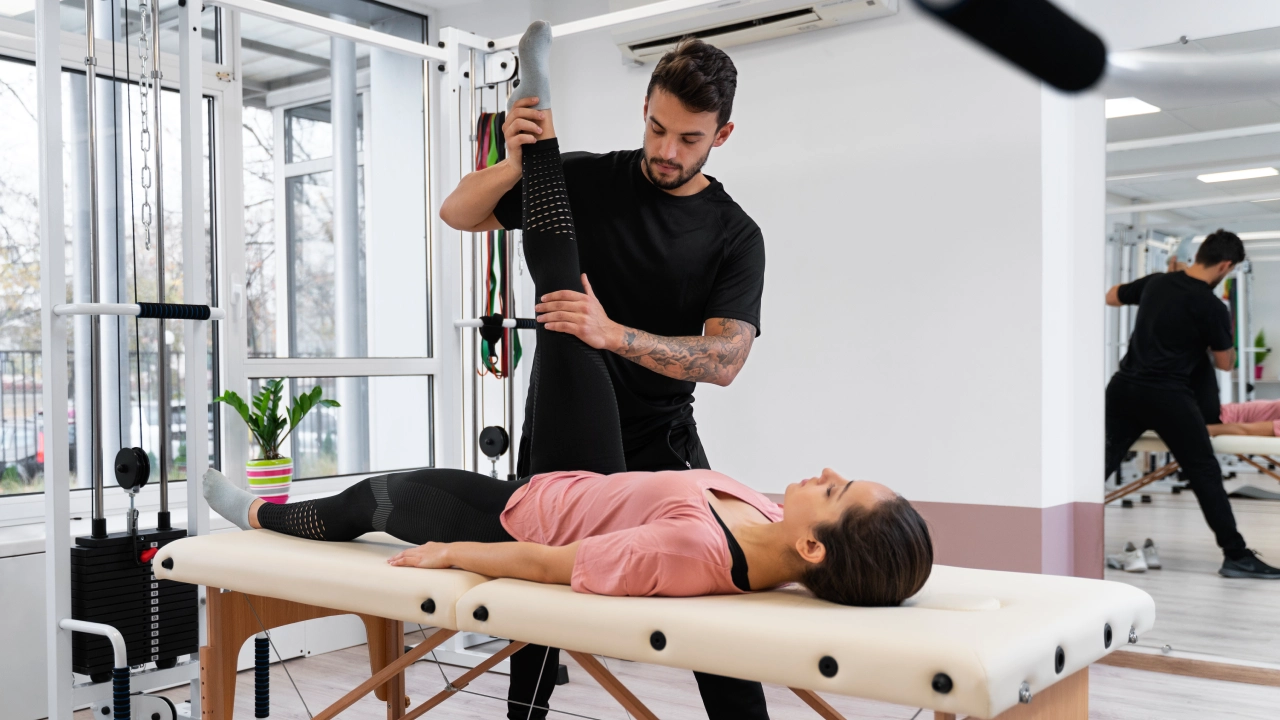
Physiotherapy plays a key role in managing Work-related injuries and supporting a safe return to job duties. At Prime Health Physiotherapy, treatment focuses on restoring movement, strengthening affected areas, and reducing physical strain during work activities.
Physical Assessment and Movement Evaluation
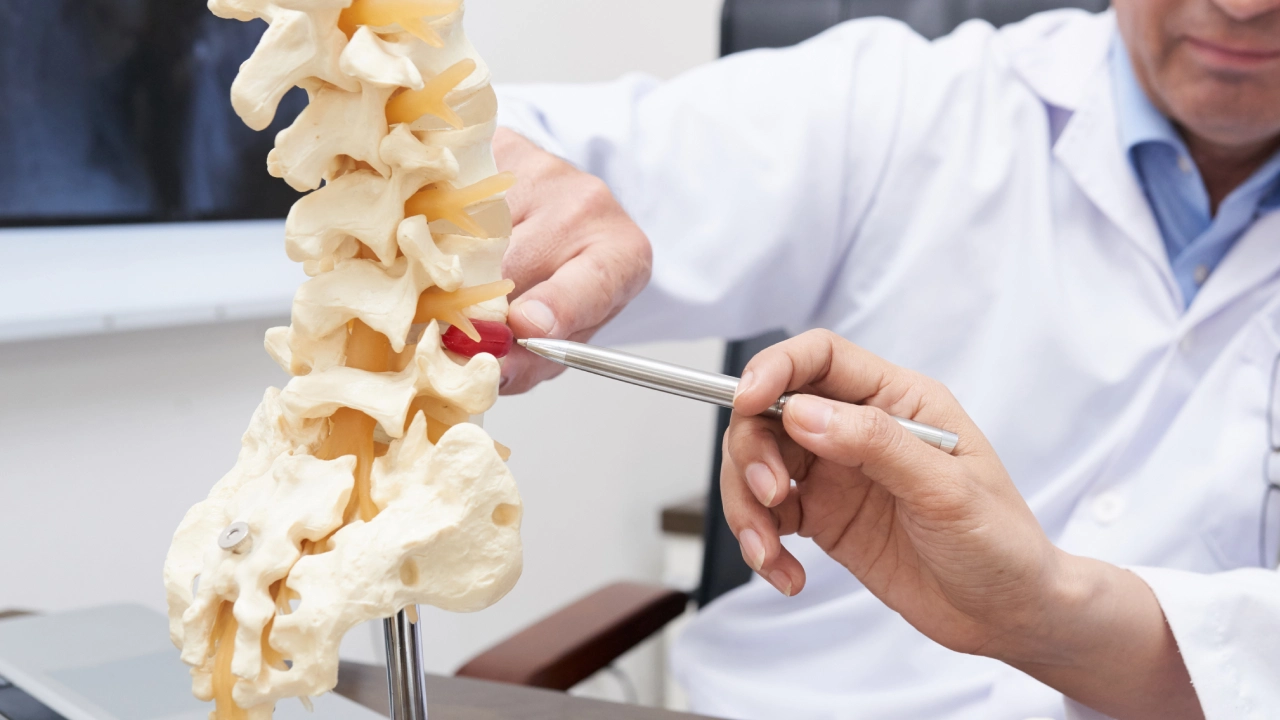
A physiotherapist begins with a detailed assessment to understand the nature of the Work-related injuries. This includes evaluating posture, joint mobility, muscle strength, and movement patterns related to job tasks.
Identifying the root cause helps guide the next steps in physiotherapy care.
Exercise-Based Rehabilitation
Specific exercises are introduced to address Work-related injuries by improving flexibility, strength, and joint stability. These exercises target the muscles that support daily work movements.
Regular participation in therapeutic exercise can help individuals regain physical control and prevent recurring Work-related injuries.
Mobility and Stretching Techniques
Tight muscles and restricted joints often contribute to Work-related injuries. Stretching and mobility exercises help restore natural movement patterns while reducing tension in affected areas.
These techniques are particularly useful for individuals who spend long hours performing repetitive work.
Workplace Movement Education
Education is another key part of managing Work-related injuries. Individuals learn strategies to reduce strain during job tasks, such as proper lifting mechanics, posture correction, and safe movement patterns.
These adjustments help minimize stress on the body while performing work duties.
Preventing Future Work-Related Injuries
Prevention plays an important role in workplace health. After addressing Work-related injuries, physiotherapists often guide individuals through strategies that reduce the risk of similar problems returning.
Some practical prevention methods include:
- Practicing correct lifting techniques
- Taking regular movement breaks during repetitive tasks.
- Maintaining proper workstation alignment
- Performing stretching routines before or after work
- Strengthening muscles that support posture and joint stability
These habits support a safer work environment and reduce the likelihood of recurring Work-related injuries.
Returning to Work After Injury
One of the primary goals of physiotherapy is to help individuals safely resume their work responsibilities. Depending on the severity of the Work-related injuries, the return-to-work process may involve gradual activity progression.
This approach ensures that the body rebuilds strength and endurance before full job demands resume.
At Prime Health Physiotherapy, therapists monitor recovery progress and adjust rehabilitation strategies as needed. This structured approach helps individuals regain confidence in their physical abilities as they return to work.
Why Address Work-Related Injuries Early
Ignoring physical discomfort can lead to minor injuries worsening over time. Early physiotherapy attention for Work-related injuries can:
- Improve joint mobility
- Support muscle function
- Restore normal movement patterns.
- Reduce physical strain during work tasks.
Addressing Work-related injuries early often leads to faster recovery and improved ability to handle daily activities both at work and outside of the workplace.
Start Your Recovery at Prime Health Physiotherapy
If you are experiencing discomfort related to your job duties, physiotherapy may help you regain movement and return to work safely. Work-related injuries affect individuals across many professions, but with structured rehabilitation and proper movement education, the body can regain stability and function.
At Prime Health Physiotherapy, our team works with individuals experiencing Work-related injuries by focusing on mobility restoration, strengthening exercises, and workplace movement strategies that support long-term physical health.
Taking the first step toward physiotherapy can help you move forward with greater confidence and comfort in your daily work activities.
Frequently Asked Question (FAQ)
Common Work-related injuries include muscle strain, joint sprains, repetitive strain in the wrists or elbows, shoulder irritation, and lower back issues. These conditions often develop from lifting, repetitive tasks, prolonged sitting, or sudden workplace accidents.
Physiotherapy should be considered when discomfort, stiffness, or reduced mobility continues for several days or interferes with normal job tasks. Early care for Work-related injuries can help prevent the issue from becoming more serious.
Yes. Office workers frequently develop Work-related injuries due to prolonged computer use, poor workstation posture, and limited movement throughout the day. Neck tension, shoulder strain, and lower back discomfort are common concerns.
Physiotherapy focuses on restoring movement, strengthening muscles, and improving flexibility in areas affected by Work-related injuries. Exercise, mobility training, and posture guidance are often part of the rehabilitation process.
Work-related injuries may return if the underlying causes such as poor lifting habits or repetitive strain are not addressed. Physiotherapists often provide movement strategies and exercises that support safer work activities and reduce the chance of recurring injury.