Call UsBook Appointment

Neck Pain

Neck Pain can influence daily movement, posture, sleep quality, and the ability to focus during work or household tasks. Many people spend long hours at desks, on phones, or in static positions that repeatedly strain the cervical spine. At Prime Health Physiotherapy, attention is placed on how joints, muscles, and posture interact so individuals can move more comfortably during everyday activities affected by Neck Pain.

The neck is a complex structure made of vertebrae, discs, ligaments, and muscles that work together to support the head and allow movement. When this area becomes irritated or strained, stiffness and discomfort may appear during simple activities such as turning the head, lifting objects, or sitting for extended periods. Persistent Neck Pain can also influence surrounding areas, including the shoulders and upper back.

Some individuals notice symptoms gradually, while others experience a sudden onset after an awkward movement, a sports activity, or a long period of screen use. Recognizing the early signs of Neck Pain can make it easier to address movement limitations before they begin affecting wider aspects of daily life.

Common Causes of Neck Pain

Neck Pain can develop for many reasons, and in many situations, more than one factor contributes to discomfort. Modern routines often place repeated stress on the neck through prolonged sitting, device use, and reduced movement throughout the day.

Frequent causes include:

  • Prolonged desk or computer posture.
  • Forward head position while using mobile devices.
  • Muscle strain from repetitive tasks.
  • Joint irritation in the cervical spine.
  • Sudden movement during sports or exercise.
  • Motor vehicle collisions or impact injuries.
  • Tension built up from long hours of static positioning.

When muscles remain in a shortened or overloaded state for long periods, circulation and flexibility can change. Over time, this may lead to stiffness and a restricted range of motion, both of which are linked to Neck Pain. Addressing posture habits and movement patterns is often a key part of reducing strain in the cervical region.

Assessment of Neck Pain at Prime Health Physiotherapy

A structured assessment helps determine the factors linked with Neck Pain. At Prime Health Physiotherapy, the process focuses on how the neck moves, how surrounding muscles respond, and how posture influences spinal alignment.

During the assessment, several elements are observed:

Movement and Range of Motion

The ability to turn, tilt, and extend the neck is assessed to identify areas of potential restriction.

Muscle Tension

Tightness in the upper back, shoulders, and neck muscles can contribute to Neck Pain. Observing these areas helps identify patterns that may influence discomfort.

Postural Alignment

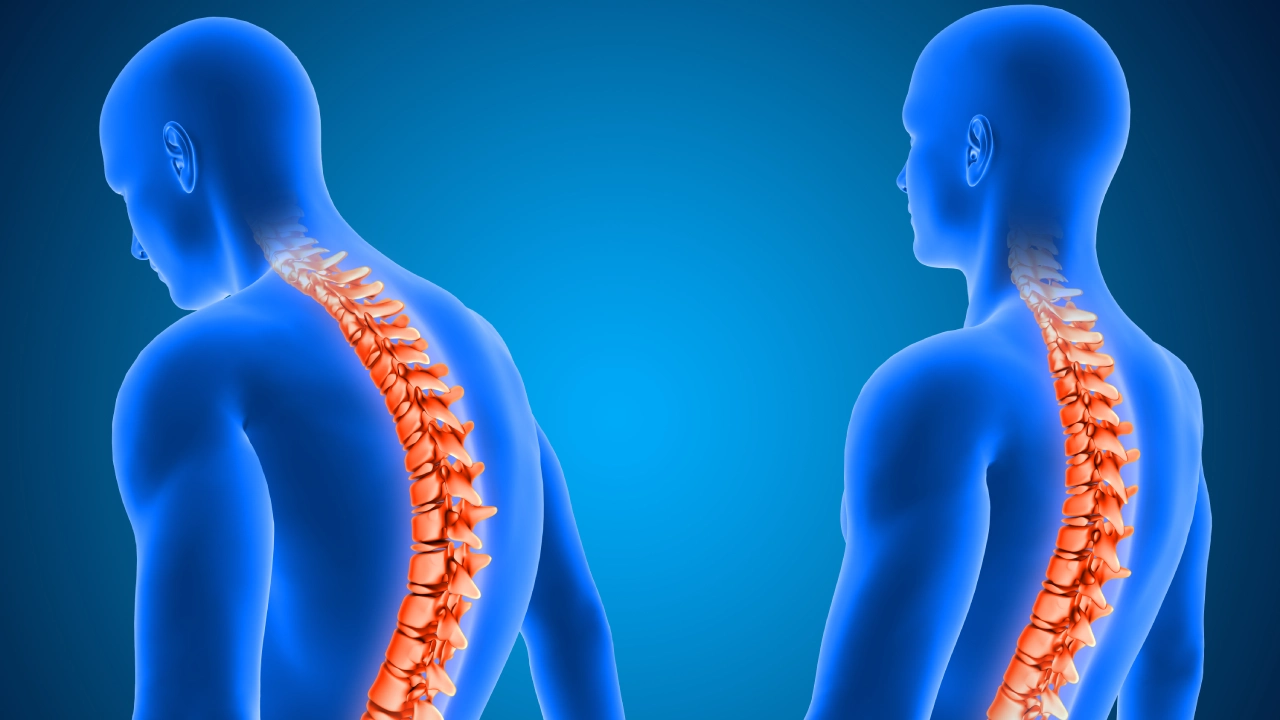
Many individuals develop forward head posture while working or using devices. This alignment places added pressure on cervical joints and muscles, which can lead to recurring Neck Pain.

Functional Movement

Daily activities such as reaching, lifting, or prolonged sitting may highlight how the neck responds under typical conditions.

This evaluation provides a clear picture of how the neck functions during movement and which structures may contribute to symptoms.

Physiotherapy Methods Used for Neck Pain

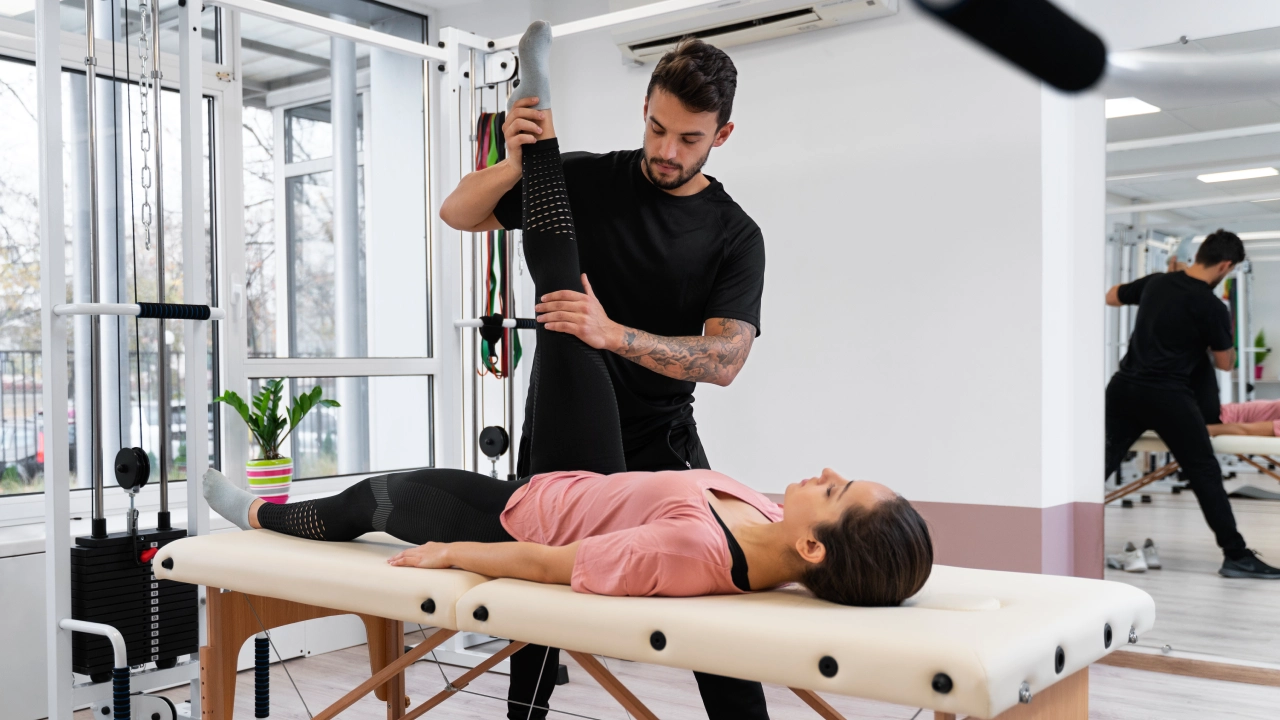
Addressing Neck Pain often involves improving mobility, reducing muscular tension, and strengthening areas that support spinal alignment. At Prime Health Physiotherapy, movement-based strategies form the foundation of care.

Gentle Mobility Work

Controlled movement exercises help maintain joint motion and reduce stiffness. Gradual motion can assist the cervical spine in moving more smoothly.

Muscle Strength Development

Weak muscles around the upper back and shoulders may increase strain on the neck. Strength work targets these areas to support spinal positioning.

Posture Training

Learning how to maintain neutral alignment while sitting, standing, and using devices plays an important role in managing Neck Pain. Small changes in workstation setup can reduce pressure on the cervical spine.

Soft Tissue Techniques

Hands-on methods can be used to address neck and upper back muscle tightness. These techniques focus on improving tissue mobility and circulation.

Movement education and consistent practice of exercises often play a central role in reducing recurring Neck Pain.

Daily Habits That May Reduce Neck Strain

Daily routines have a strong influence on spinal comfort. Making small adjustments throughout the day can decrease the likelihood of Neck Pain returning.

Helpful strategies may include:

  • Keeping screens at eye level during computer work.
  • Taking short movement breaks during long desk sessions.
  • Supporting the neck with a neutral pillow during sleep.
  • Holding mobile devices closer to eye level instead of looking downward.
  • Performing simple stretching movements during the day.

Consistent attention to posture and movement patterns can reduce repeated stress on the cervical spine. These habits support improved comfort for individuals managing Neck Pain during work, travel, or daily tasks.

When Neck Pain Should Be Assessed

Many people attempt to ignore discomfort in the neck, assuming it will fade on its own. However, certain signs suggest that professional assessment may be helpful.

These signs include:

  • Neck stiffness lasting several days
  • Difficulty turning the head while driving
  • Discomfort spreading toward the shoulders or upper back
  • Headaches linked with neck tension
  • Tingling or numbness travelling down the arm

When Neck Pain interferes with routine movement or daily responsibilities, an evaluation can identify the underlying factors contributing to these symptoms.

Why Movement-Focused Care Matters

The cervical spine supports the head and allows complex movement patterns throughout the day. When joints and muscles in this region work together efficiently, tasks such as driving, reading, and computer work become easier.

Through structured physiotherapy programs at Prime Health Physiotherapy, individuals with Neck Pain can work toward restoring natural motion patterns and reducing strain placed on the cervical area during daily routines.

Frequently Asked Question (FAQ)

Common triggers include long hours of desk work, poor posture while using devices, sudden strain during exercise, and muscle tension in the upper back or shoulders.

Yes. Forward head posture and prolonged screen use frequently contribute to strain in the cervical spine.

Duration varies. Some people feel discomfort for a few days, while others may notice recurring symptoms when posture habits remain unchanged.

Gentle movement and strengthening exercises for the neck and upper back often help improve mobility and reduce tension.

If symptoms last more than several days, restrict movement, or spread toward the shoulders or arms, a physiotherapy assessment may be beneficial.

More Conditions