Call UsBook Appointment

Sciatica

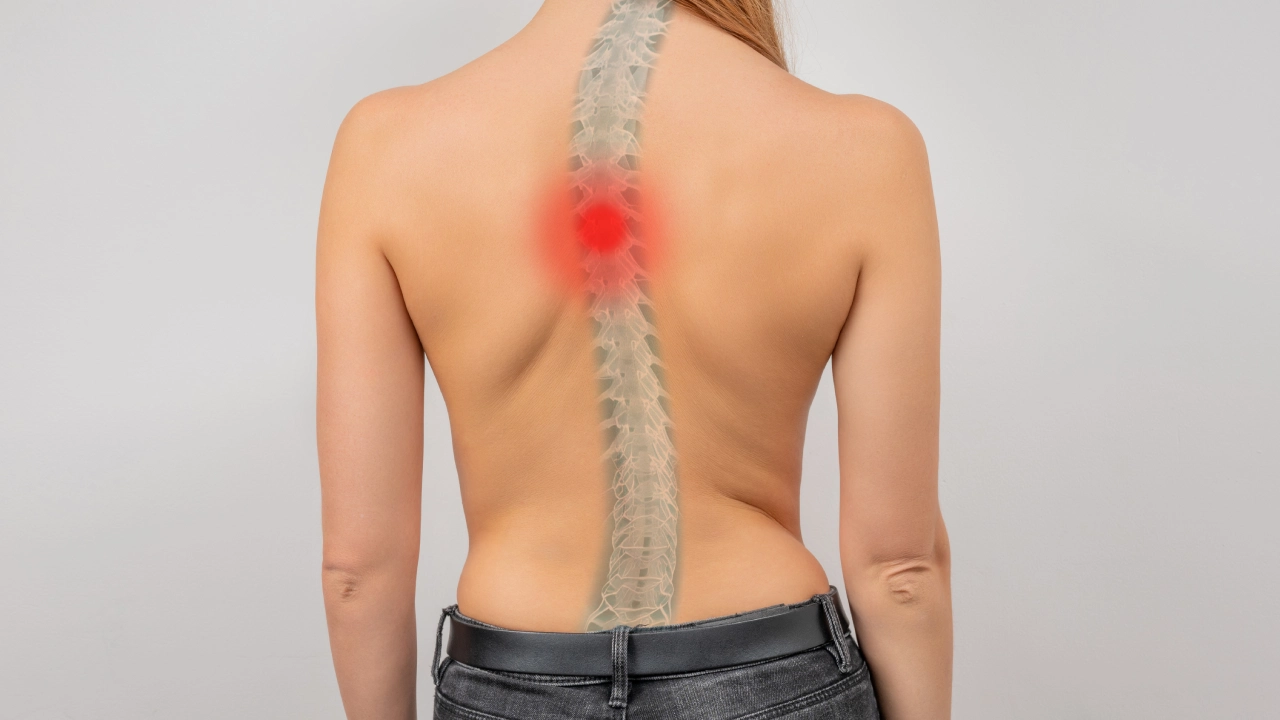
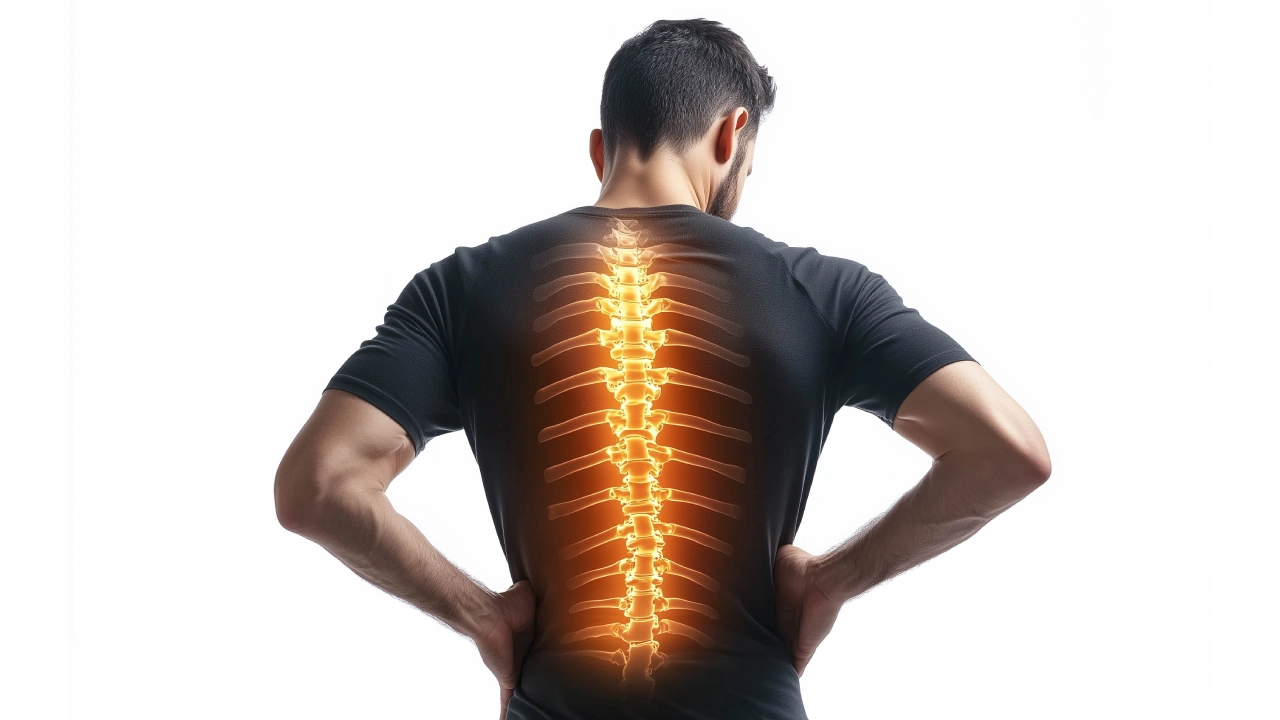
Sciatica can affect how a person sits, walks, bends, and performs routine tasks. The condition usually begins when the sciatic nerve becomes irritated or compressed, often within the lower spine. This nerve travels from the lower back through the hips and down each leg, so discomfort may extend beyond the back and move through the buttocks or legs. At Prime Health Physiotherapy, physiotherapy focuses on restoring movement, reducing strain on spinal structures, and helping individuals navigate daily routines with greater stability.

Sciatica can develop gradually or appear after lifting, prolonged sitting, or a sudden twisting motion. When Sciatica begins, many people notice sensations such as tingling, burning, or numbness travelling along the leg. Addressing these changes early can help prevent further strain on muscles and joints.

What Is Sciatica

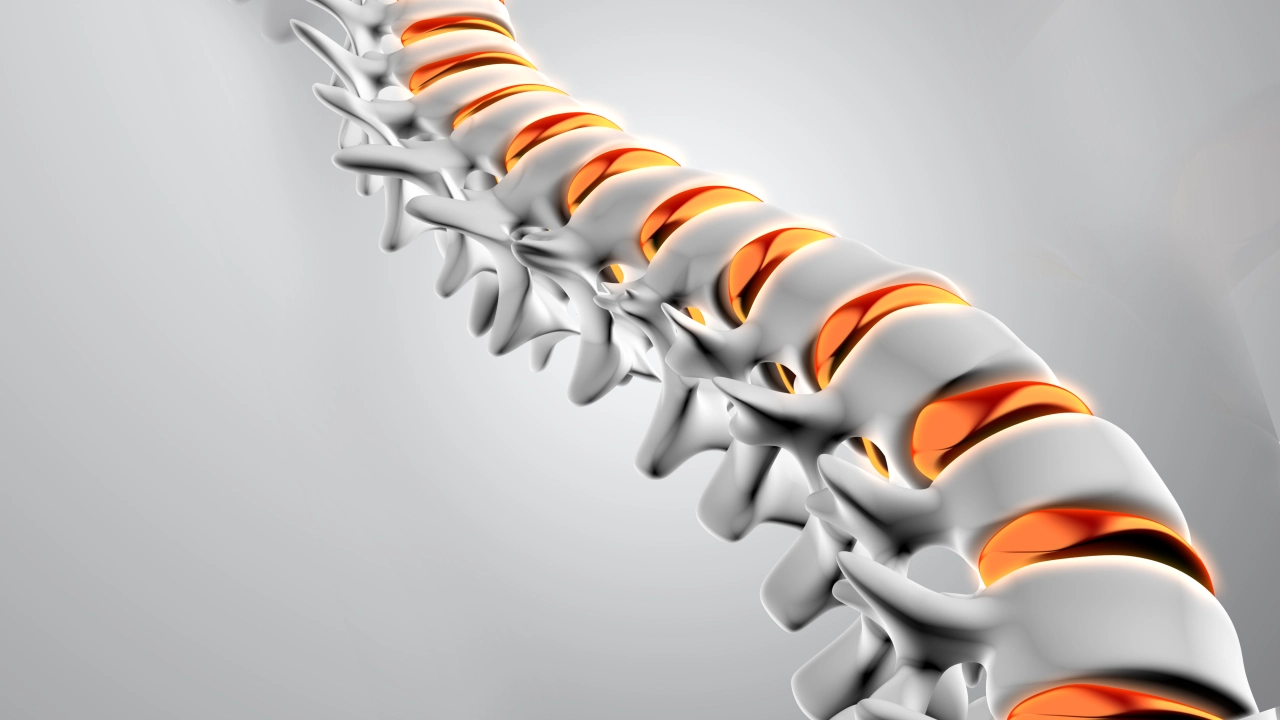
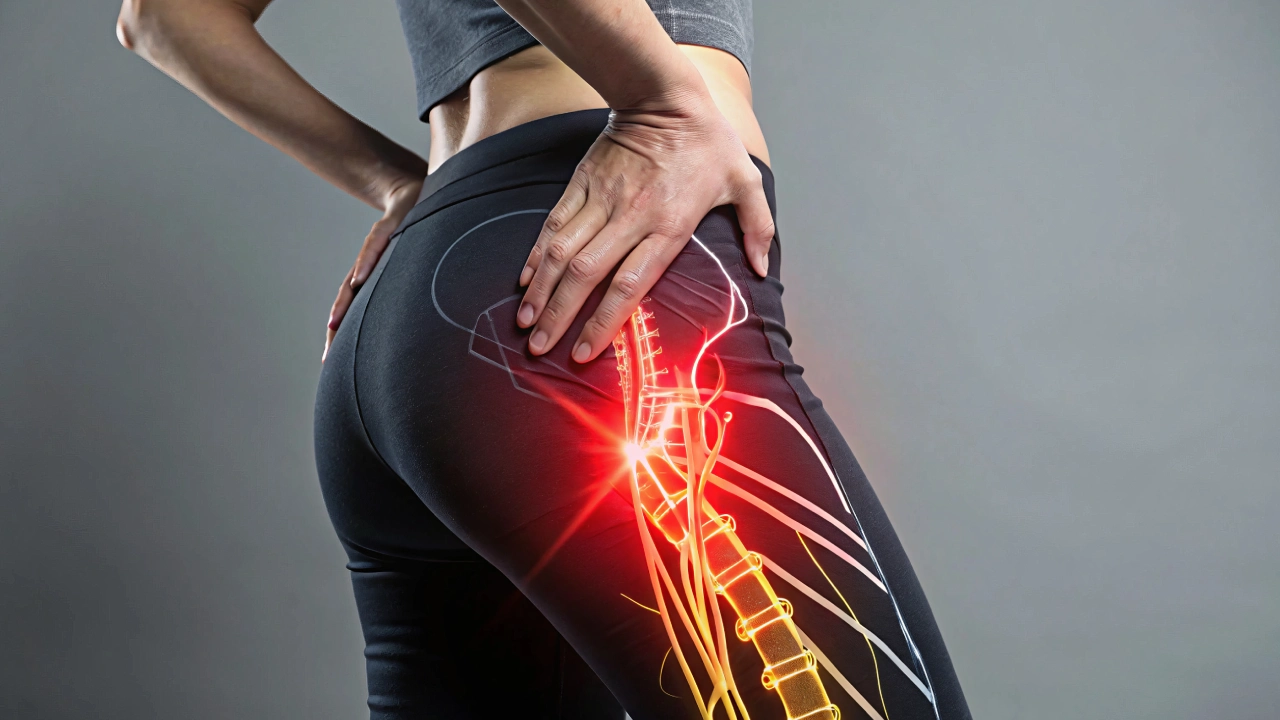
Sciatica refers to a pattern of nerve irritation connected to the sciatic nerve. The nerve roots begin in the lumbar spine and merge into the sciatic nerve before travelling down the back of the leg. When pressure develops along this pathway, signals sent through the nerve may change, leading to discomfort or altered sensation.

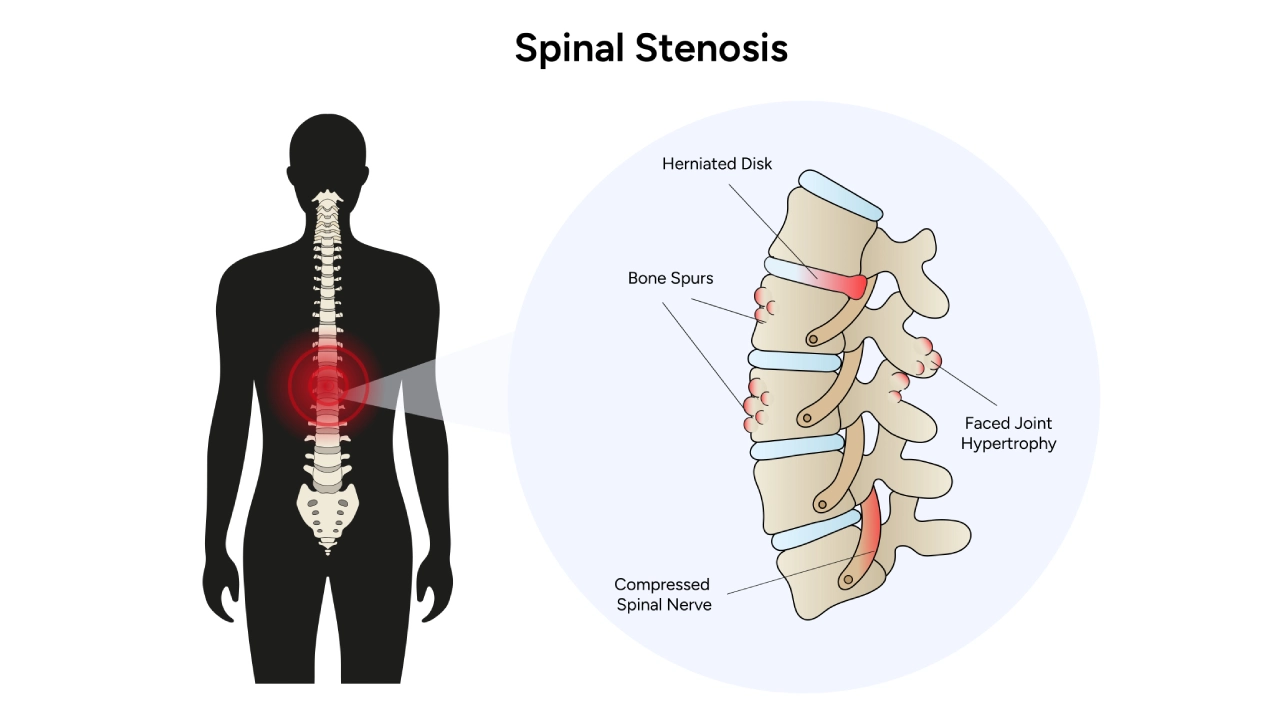
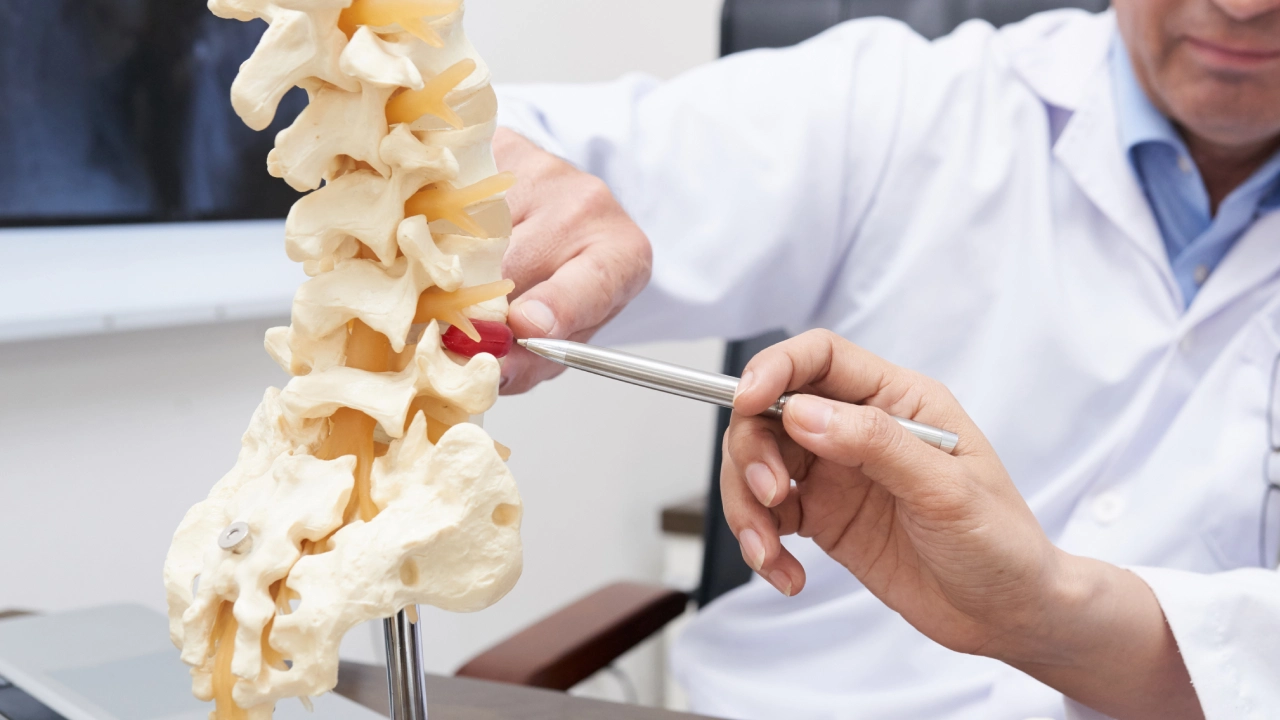
In many situations, the Sciatica pattern begins with pressure on the nerve roots in the lower spine. Disc bulging, joint stiffness, or surrounding muscle tension can contribute to that pressure. These structural changes may affect how the spine moves, especially during bending, lifting, or extended sitting.

People may notice that symptoms follow a specific path down one leg rather than remaining confined to the lower back. This pattern often helps physiotherapists determine whether the sciatic nerve is involved.

Common Signs Linked With Sciatica

Sciatica may appear differently from person to person. Some individuals feel mild irritation, while others notice stronger sensations that interfere with movement.

Pain travelling down the leg

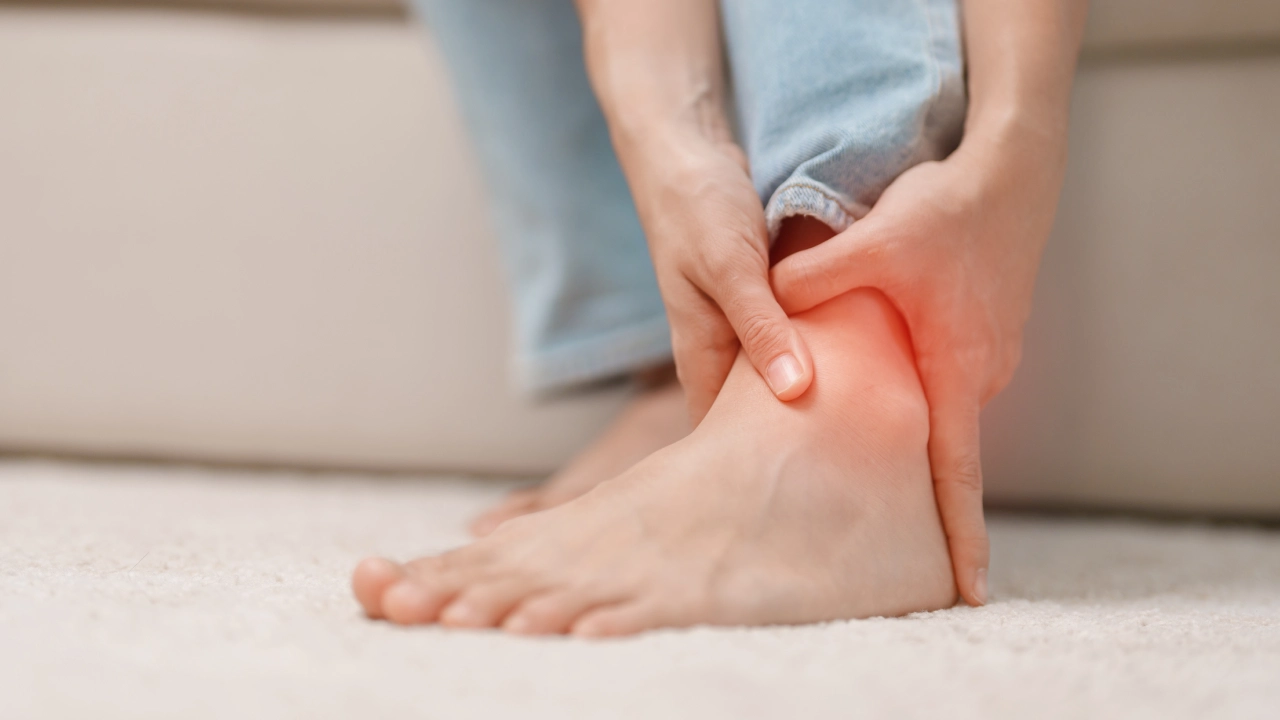
One of the most recognized signs connected with Sciatica is discomfort that begins in the lower back or buttocks and travels down the leg. The sensation may move toward the calf or foot, depending on which part of the nerve is affected.

Tingling or numbness

Changes in nerve signals sometimes create tingling or reduced sensation in parts of the leg or foot. These feelings can appear while standing, sitting, or walking.

Weakness in the leg

Pressure on the nerve may affect muscle activity. Certain movements, such as rising from a chair, climbing stairs, or lifting the foot, can become more difficult when muscles receive altered nerve signals.

Increased discomfort while sitting

Extended sitting can place pressure on the lower spine. Many people notice that symptoms intensify after long periods at a desk, in a vehicle, or on a sofa.

Identifying these patterns helps physiotherapists determine whether nerve irritation is involved and which movement patterns may be contributing to the issue.

Factors That May Lead to Sciatica

Several physical changes within the spine or surrounding tissues may lead to Sciatica. These factors often develop gradually through daily movement patterns or repetitive strain.

Lumbar disc changes

Spinal discs act as cushions between vertebrae. When a disc bulges outward, it can place pressure on nearby nerve roots.

Joint stiffness in the lower back

Restricted movement in spinal joints may increase tension on surrounding tissues. Over time, this can contribute to nerve irritation.

Muscle tension around the hips

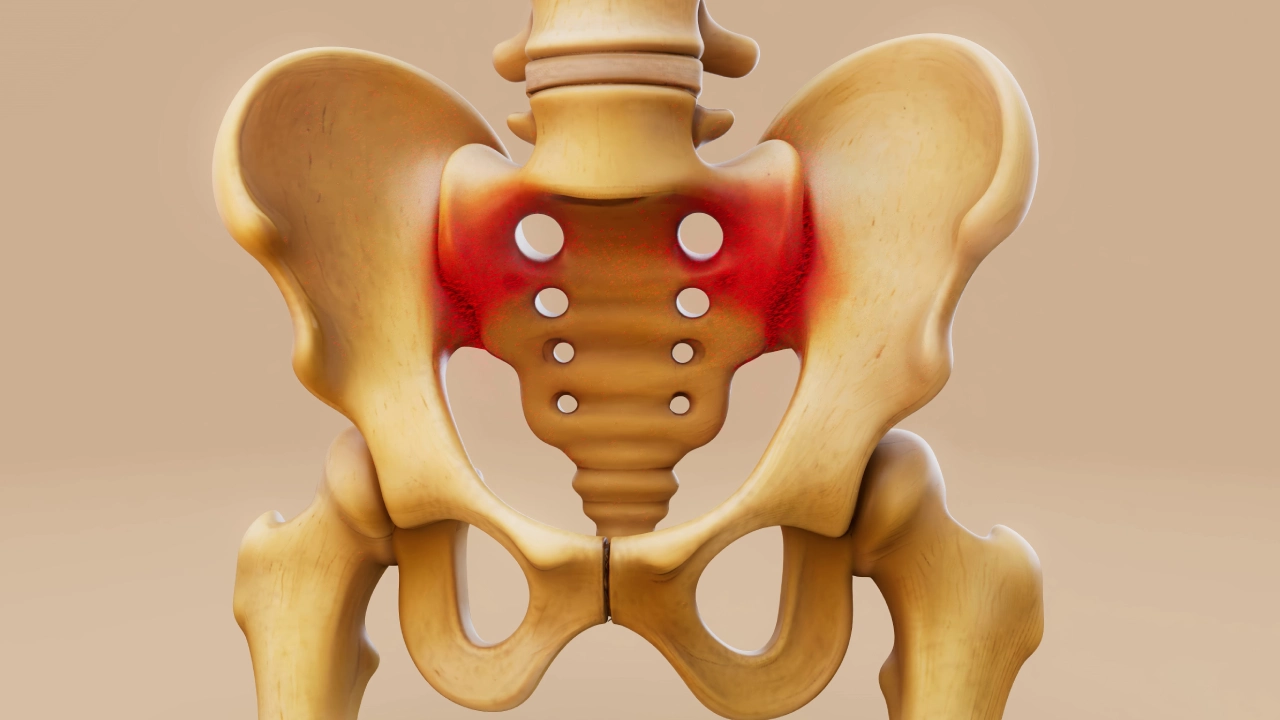
Tight muscles in the hip or gluteal region may compress or irritate the sciatic nerve as it travels through the pelvis.

Repetitive lifting or bending

Work tasks that involve frequent lifting, twisting, or bending can increase stress on the lumbar spine.

Long periods of sitting

Desk work, driving, and screen time may place prolonged pressure on the lower back, particularly when posture remains unchanged for extended periods.

Addressing these factors often involves improving movement patterns and reducing stress placed on the lower spine.

Physiotherapy Approach at Prime Health Physiotherapy for Sciatica

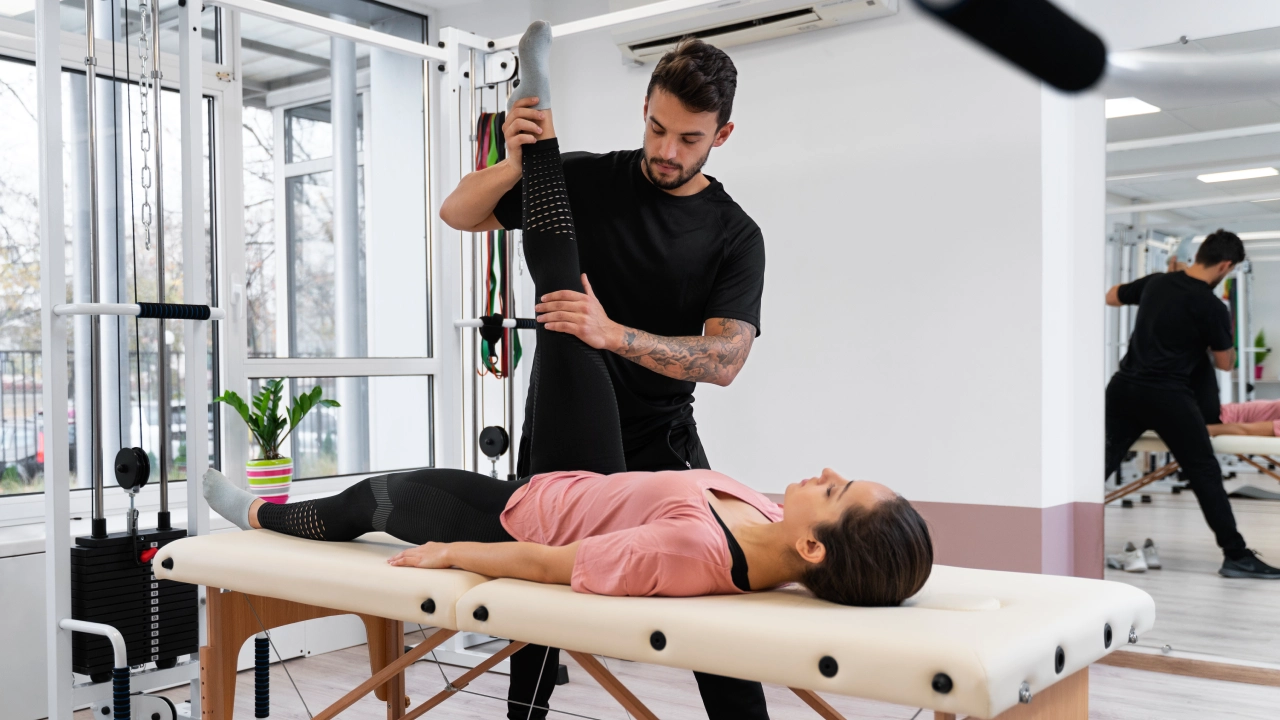
At Prime Health Physiotherapy, physiotherapy sessions focus on identifying how movement patterns, joint stiffness, and muscle tension contribute to Sciatica symptoms. The process begins with a detailed physical assessment that examines posture, spinal mobility, and nerve response.

Movement evaluation helps determine how the lower spine, hips, and legs work together during daily activities such as sitting, walking, or bending. Once these patterns are identified, physiotherapy sessions focus on restoring balanced movement.

Movement-based exercises

Specific exercises help support spinal alignment and encourage controlled movement in the hips and lower back. These movements may also help reduce pressure on the sciatic nerve.

Joint mobility work

Improving movement in stiff spinal joints can help distribute load more evenly throughout the back. This approach supports smoother motion during daily activities.

Muscle conditioning

Strengthening surrounding muscles, including the core and hips, helps support the spine during lifting, walking, and sitting.

Posture and movement training

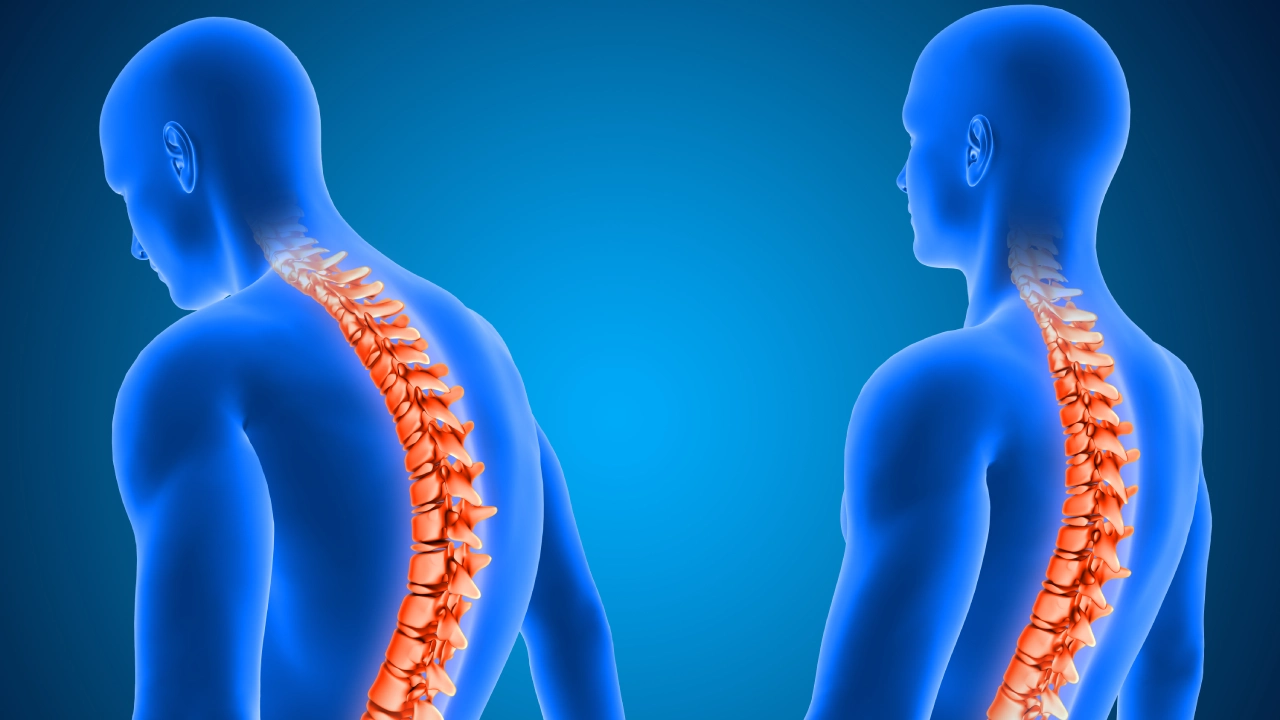
Learning new movement patterns can reduce repeated strain placed on the lumbar spine. Adjustments to sitting position, lifting technique, and workstation setup may support spinal alignment throughout the day.

This physiotherapy approach focuses on helping individuals move with improved control so that daily tasks place less stress on the lower back and nerve pathways.

Daily Movement Habits That Support the Spine

Small changes in routine activities may help reduce pressure on the lower back and surrounding nerves.

Change sitting position regularly.

Remaining in one posture for extended periods may increase spinal pressure. Standing, stretching, or walking for a brief period every 30–45 minutes can help maintain movement.

Use proper lifting technique.

Bending at the hips and knees rather than rounding the back may reduce stress on spinal discs.

Maintain hip mobility

Gentle stretching or movement drills for the hips may help prevent stiffness that affects spinal motion.

Stay active with controlled movement.

Light walking and mobility exercises may assist with circulation and maintain joint movement throughout the spine and legs.

Incorporating these habits into daily routines may support overall spinal function.

When to Seek Physiotherapy

Individuals often consider physiotherapy when leg discomfort, tingling, or lower-back strain begins to affect routine activities. Early assessment can help identify movement patterns contributing to nerve irritation.

Physiotherapy assessment may also be helpful if:

  • Discomfort travels from the lower back into the leg.
  • Sitting for long periods increases symptoms.
  • Numbness or tingling appears in the leg or foot.
  • Daily tasks, such as walking or bending, feel restricted.

Addressing these signs early can help prevent further strain on the spine and surrounding tissues.

Frequently Asked Question (FAQ)

Physiotherapy focuses on restoring movement in the spine and surrounding joints. Exercises, posture adjustments, and mobility work may support improved function in the affected area.

Extended sitting may increase pressure on the lumbar spine, especially when posture remains unchanged for long periods.

Duration varies depending on the cause of nerve compression and how the spine responds to changes in movement.

Light walking may help maintain circulation and gentle spinal motion for many individuals.

Posture may affect how pressure is distributed through the spine. Adjusting sitting and standing positions may reduce the strain placed on spinal structures.

More Conditions