Call UsBook Appointment

Knee Pain

Knee discomfort

Knee discomfort

Knee discomfort

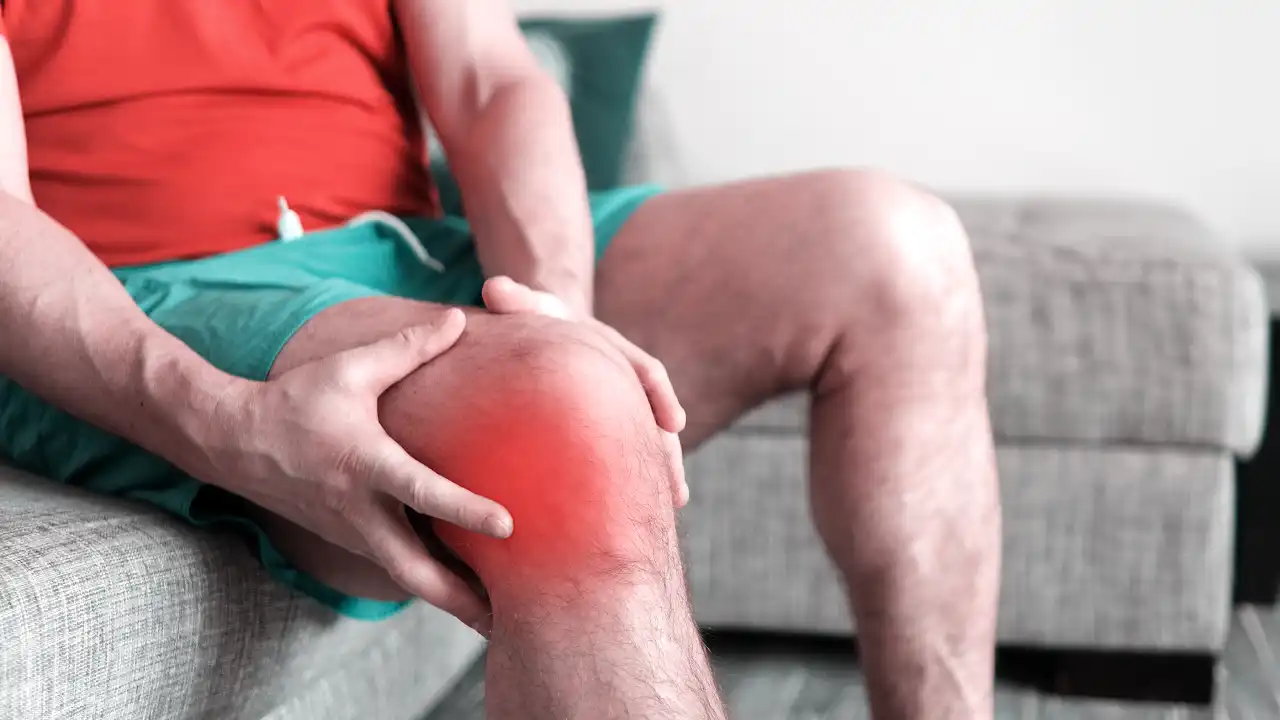
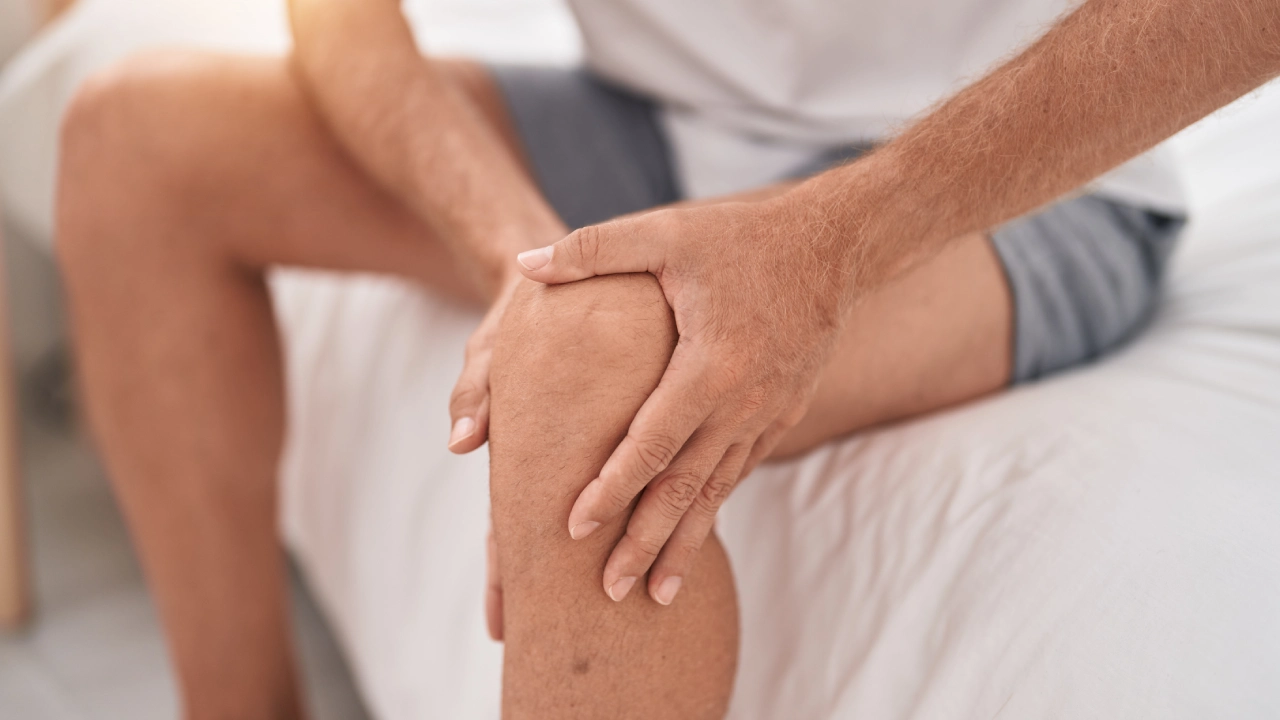
Knee discomfort can affect how a person walks, climbs stairs, stands for long periods, and participates in recreational activities. Knee Pain may develop gradually with repeated movement or suddenly after a twist, fall, or a sudden load on the joint. At Prime Health Physiotherapy, attention is placed on how the knee moves within the entire lower-body chain, including the hips, ankles, and surrounding muscles.

Many individuals with Knee Pain notice changes in walking speed, balance, or posture. These changes often happen because the body attempts to limit pressure on the irritated area. Over time, this shift can place added strain on nearby joints or muscles.

Physiotherapy focuses on restoring controlled movement, strengthening supportive structures, and improving joint mobility so that daily activities become more manageable. Addressing Knee Pain early may also reduce the chance of further irritation during work duties, sports participation, or routine movement.

Common Causes of Knee Pain

The knee is one of the largest joints in the body and absorbs force during walking, running, and jumping. Because of its role in movement, Knee Pain can arise from several sources.

Some of the most frequent causes include:

  • Ligament strain from sudden direction changes
  • Meniscus irritation is linked to twisting movements.
  • Muscle imbalance around the thigh and hip
  • Joint wear that develops gradually with age
  • Overuse from repetitive physical activity
  • Movement patterns that place uneven pressure on the joint

In many cases, Knee Pain does not originate only from the knee itself. Hip strength, ankle mobility, and walking patterns can influence how force travels through the joint. When one part of the chain is restricted, the knee may compensate.

A physiotherapy assessment examines these movement connections to determine why Knee Pain continues during daily activity. This approach allows clinicians to identify contributing factors rather than focusing solely on the knee joint.

Movement Assessment for Knee Pain

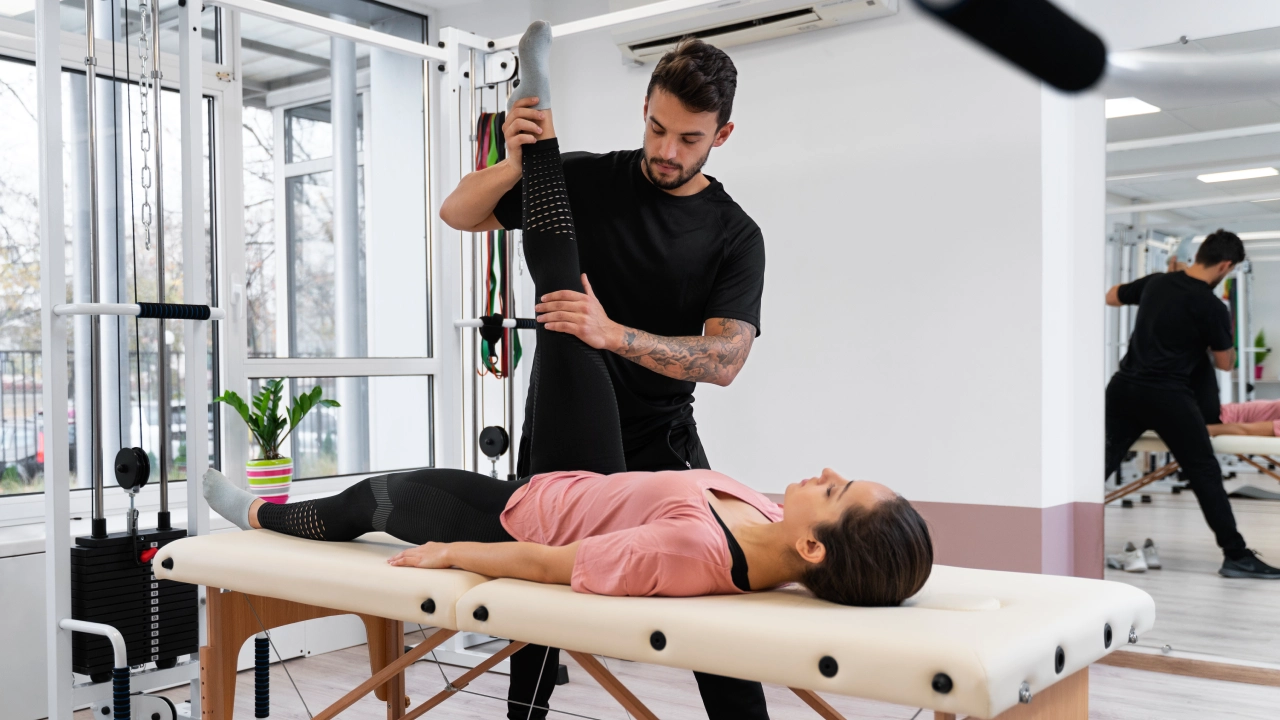
An assessment session at Prime Health Physiotherapy typically begins with a discussion about when the symptoms began, what movements trigger discomfort, and which activities have become more difficult. The evaluation then moves to physical observation and movement testing.

Clinicians observe walking patterns, squat mechanics, balance, and joint mobility. Strength in the quadriceps, hamstrings, glutes, and calves is also assessed. This process helps determine how Knee Pain develops during movement and whether surrounding structures influence the joint.

Joint mobility testing may identify stiffness in the knee or nearby joints. Limited movement in the hips or ankles can alter alignment during steps, which may contribute to repeated strain linked with Knee Pain.

Through this process, physiotherapists identify movement limitations and develop a structured plan to restore stability, flexibility, and coordination.

Exercise Approaches for Knee Pain

Movement training plays a major role in physiotherapy programs related to Knee Pain. Exercises are selected to strengthen muscles that support the knee while also encouraging controlled joint motion.

Common exercise categories include:

  • Quadriceps strengthening for knee stability
  • Hamstring conditioning for balanced joint support
  • Hip strengthening to improve lower-body alignment
  • Controlled step training for functional movement
  • Balance exercises that assist joint control

Consistency with movement practice often improves coordination between muscles and joints. When these structures work together efficiently, pressure on irritated tissues may decrease, and movement can become smoother.

Education about posture and activity habits may also form part of physiotherapy sessions, so individuals learn how daily movement patterns influence Knee Pain.

Activity and Lifestyle Factors

Certain lifestyle habits can influence how frequently knee pain occurs. Repetitive bending, prolonged kneeling, sudden increases in physical activity, or inadequate warm-up may all contribute to joint irritation.

Physiotherapists may discuss:

  • Work posture and lifting patterns
  • Walking or running mechanics
  • Training progression for sports activity
  • Stretching routines that maintain joint mobility

Small adjustments in movement patterns can reduce pressure placed on the knee throughout the day. For many people, these changes become part of long-term joint care.

Another key factor is maintaining balanced strength throughout the lower body. Weakness in hip muscles, for instance, may shift load toward the knee joint during steps, squats, or climbs.

Addressing these patterns can play an important role in managing Knee Pain over time.

When to Seek Physiotherapy for Knee Pain

Persistent joint discomfort should not be ignored, especially if it interferes with routine activities. Signs that physiotherapy may be helpful include swelling, reduced range of motion, difficulty standing from a seated position, or discomfort during walking.

Individuals may also seek physiotherapy after sports injuries, sudden twisting injuries, or gradual joint irritation from repetitive tasks. Early attention to Knee Pain can help identify mechanical factors before they influence other joints in the lower body.

At Prime Health Physiotherapy, treatment plans focus on restoring comfortable movement and strengthening supportive muscle groups so the knee can function efficiently during daily tasks.

Knee Pain Management at Prime Health Physiotherapy

Every knee joint responds differently depending on activity level, joint structure, and surrounding muscle strength. At Prime Health Physiotherapy, physiotherapists focus on movement patterns, strength balance, and joint mobility to address the factors linked with Knee Pain.

Sessions may involve guided exercises, mobility work, and education about movement habits that influence the knee joint. Progress is monitored through functional activities such as stepping, squatting, and walking mechanics.

Through consistent physiotherapy care and active participation in movement practice, many individuals regain confidence in daily activities while managing Knee Pain more effectively.

Frequently Asked Question (FAQ)

Symptoms may include swelling, stiffness, reduced bending, or discomfort while walking, climbing stairs, or kneeling.

Yes. Strengthening and mobility exercises can support joint stability and improve movement control when performed under physiotherapy supervision.

No. It can also develop from repeated movement, muscle imbalance, or gradual joint wear.

The duration varies depending on the cause of the condition, physical activity level, and consistency with exercise routines.

If discomfort persists for several weeks, interferes with daily activities, or occurs after an injury, an assessment may help determine the cause.

More Conditions