Back Pain
Back Pain
Back discomfort can interfere with daily movement, work routines, and recreational activity. At Prime Health Physiotherapy, the focus is on helping individuals understand how movement patterns, posture, and daily habits influence spinal function. When Back Pain develops, it may stem from strain, prolonged sitting, repetitive activity, or sudden physical stress on muscles and joints.
The spine plays a central role in almost every body movement. Lifting, bending, walking, and even sitting rely on coordinated work between muscles, joints, and connective tissues. When Back Pain appears, these movements may feel restricted or uncomfortable. A structured physiotherapy approach helps address mechanical factors underlying discomfort and movement difficulty.
Physiotherapy sessions at Prime Health Physiotherapy involve assessment, guided movement strategies, and education about daily habits that influence spinal health. Through consistent sessions and active participation, many individuals regain confidence in their ability to move and perform everyday tasks despite prior concerns about Back Pain.
Common Causes of Back Pain
Many factors may contribute to the development of Back Pain. Some originate from physical strain, while others relate to posture, workplace demands, or lifestyle patterns.
Frequent causes include:
- Muscle strain from lifting or sudden movement
- Long periods of sitting with limited spinal support
- Weakness in the core or hip muscles
- Repetitive bending or twisting tasks
- Limited flexibility in the surrounding muscles
- Joint stiffness within the spine
These factors may develop gradually or appear after a single activity. Over time, small movement imbalances may increase stress on certain areas of the spine, eventually contributing to Back Pain during routine activities.
Recognizing these contributing elements allows physiotherapy sessions to focus on improving movement mechanics and strengthening structures that support the spine.
Daily Factors That Contribute to Back Pain
Modern routines often involve extended computer use, long commutes, and limited physical activity. These habits may place ongoing stress on spinal structures and contribute to Back Pain.
Some daily situations linked to spinal strain include:
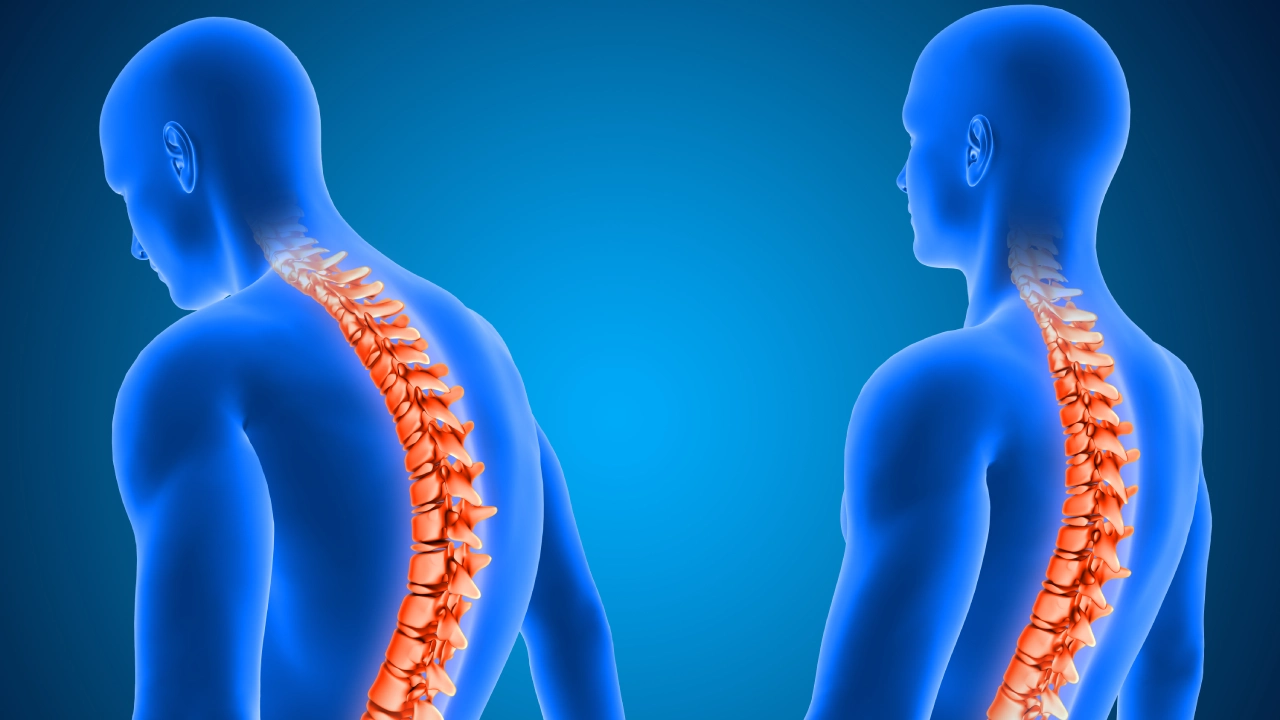
- Slouched sitting positions during desk work
- Carrying heavy bags on one side of the body
- Sudden increases in physical activity
- Poor lifting technique during household tasks
- Limited stretching or movement throughout the day
Small adjustments in posture and movement habits may reduce strain and improve comfort. Physiotherapy sessions frequently include education on safe movement strategies to help individuals reduce triggers of Back Pain during daily routines.
Assessment for Back Pain at Prime Health Physiotherapy
Each physiotherapy program begins with a structured evaluation. When someone visits Prime Health Physiotherapy for Back Pain, the physiotherapist reviews medical history, daily activity patterns, and the specific movements that trigger discomfort.
The assessment may include:
- Observation of posture and spinal alignment
- Mobility testing for the spine and nearby joints
- Muscle strength evaluation
- Movement analysis during bending, lifting, or walking
- Discussion of workplace and lifestyle factors
This evaluation allows the physiotherapist to identify mechanical factors that may contribute to Back Pain. Instead of focusing only on symptoms, the goal is to examine how the body moves as a whole.
Understanding these patterns provides direction for the next phase of physiotherapy sessions, which focus on improving mobility, coordination, and muscular support around the spine.
Movement-Based Care for Back Pain
Once the assessment is complete, physiotherapy sessions begin to address the underlying movement patterns associated with Back Pain. These sessions often include a combination of guided exercises, joint mobility work, and instruction on safe movement techniques.
Examples of physiotherapy strategies may include:
Targeted Mobility Exercises
Gentle movements can help restore motion within spinal joints and surrounding tissues. Improved mobility allows the spine to move more freely during daily activity.
Strength Development
Strengthening exercises focus on muscles that support the spine, including the core, hips, and lower back. When these muscles function efficiently, spinal structures experience less strain.
Postural Awareness Training
Learning how to maintain a supportive posture during work or household activity can reduce repeated stress that contributes to Back Pain.
Functional Movement Practice
Practicing safe lifting, bending, and reaching techniques allows individuals to return to everyday activities with greater confidence.
Physiotherapy sessions often progress gradually so that the body adapts safely to increasing movement demands. The aim is to restore comfortable motion while supporting spinal stability.
Preventing Future Episodes of Back Pain
Maintaining spinal health often involves a combination of physical activity, posture awareness, and consistent movement throughout the day. Physiotherapists at Prime Health Physiotherapy guide individuals in developing routines that support spinal function long after clinic visits.
Common strategies may include:
- Regular stretching for the hips, hamstrings, and back
- Strength exercises for core and pelvic muscles
- Taking movement breaks during long sitting periods.
- Using proper lifting mechanics during work or home tasks
- Maintaining an active lifestyle that includes walking or low-impact exercise
Consistency plays an important role in maintaining spinal mobility and reducing the likelihood of recurring Back Pain.
When to Consider Physiotherapy
Many people wait until discomfort significantly interferes with work or routine activities before seeking help. However, early attention to changes in movement can often prevent further strain.
Physiotherapy may be worth considering if you notice:
- Ongoing stiffness in the lower or upper back
- Discomfort during sitting, bending, or lifting
- Reduced flexibility in the spine
- Difficulty returning to physical activity
- Repeated episodes of spinal discomfort
Prime Health Physiotherapy provides structured physiotherapy sessions focused on restoring safe movement and strengthening the structures that support the spine.
Back Pain Support at Prime Health Physiotherapy
Spinal discomfort can affect everyday life, from work responsibilities to recreation and household tasks. Through structured physiotherapy sessions at Prime Health Physiotherapy, individuals receive guidance on movement patterns, exercise progression, and posture awareness.
Addressing the mechanical contributors linked to Back Pain allows individuals to move with greater confidence and maintain an active routine. With consistent participation and practical movement strategies, many people find they can return to activities that once felt limited by spinal discomfort.
Frequently Asked Question (FAQ)
Back Pain often develops due to muscle strain, poor posture, prolonged sitting, heavy lifting, or sudden physical activity that stresses the spine.
If Back Pain lasts more than a few days, limits movement, or interferes with daily tasks such as sitting, walking, or lifting, a physiotherapy assessment may help identify contributing factors.
Yes. Specific exercises that strengthen the core, improve flexibility, and support spinal movement may help manage Back Pain and reduce strain on surrounding muscles.
Extended sitting, especially with poor posture or limited movement breaks, can strain spinal structures and contribute to Back Pain over time.
Maintaining good posture, staying active, strengthening core muscles, and using proper lifting techniques may help reduce the risk of recurring Back Pain.