Call UsBook Appointment

Concussion Care

A Concussion can interrupt the body’s natural coordination between the brain, muscles, and balance systems. Even a mild head impact may influence focus, reaction time, posture, and stability during daily activity. At Prime Health Physiotherapy, attention is placed on movement patterns, balance control, and physical tolerance after a Concussion so individuals can safely return to work, sport, and routine tasks.

A Concussion may occur during sports contact, motor vehicle incidents, falls, or sudden impact to the head or upper body. Although many people associate it only with dizziness or headaches, the effects may also involve neck tension, visual strain, fatigue, and slower physical response. Because these changes vary between individuals, careful physical assessment is an important step toward restoring normal movement patterns.

Effects of Concussion on Movement and Daily Function

After a Concussion, the brain temporarily processes movement signals more slowly. This may influence coordination among the eyes, the inner ear, and the muscles responsible for posture and balance. Tasks such as walking in busy areas, turning the head quickly, or concentrating during physical activity may feel more demanding than usual.

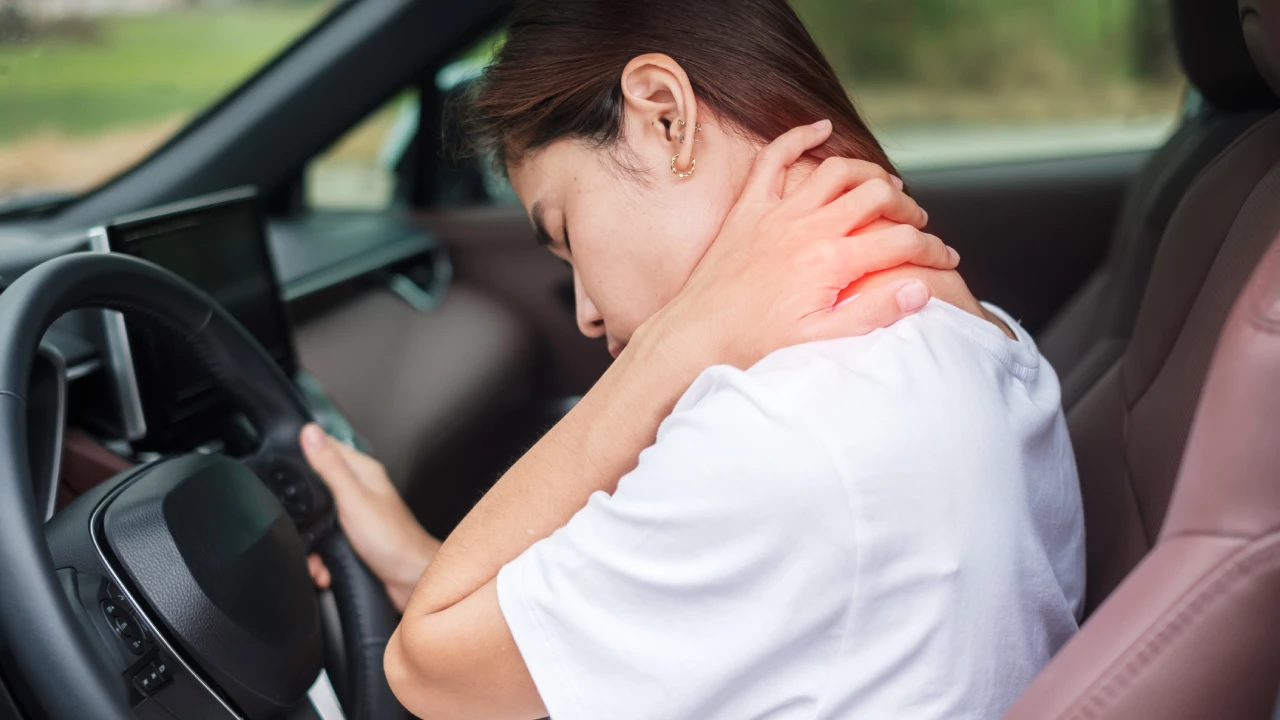
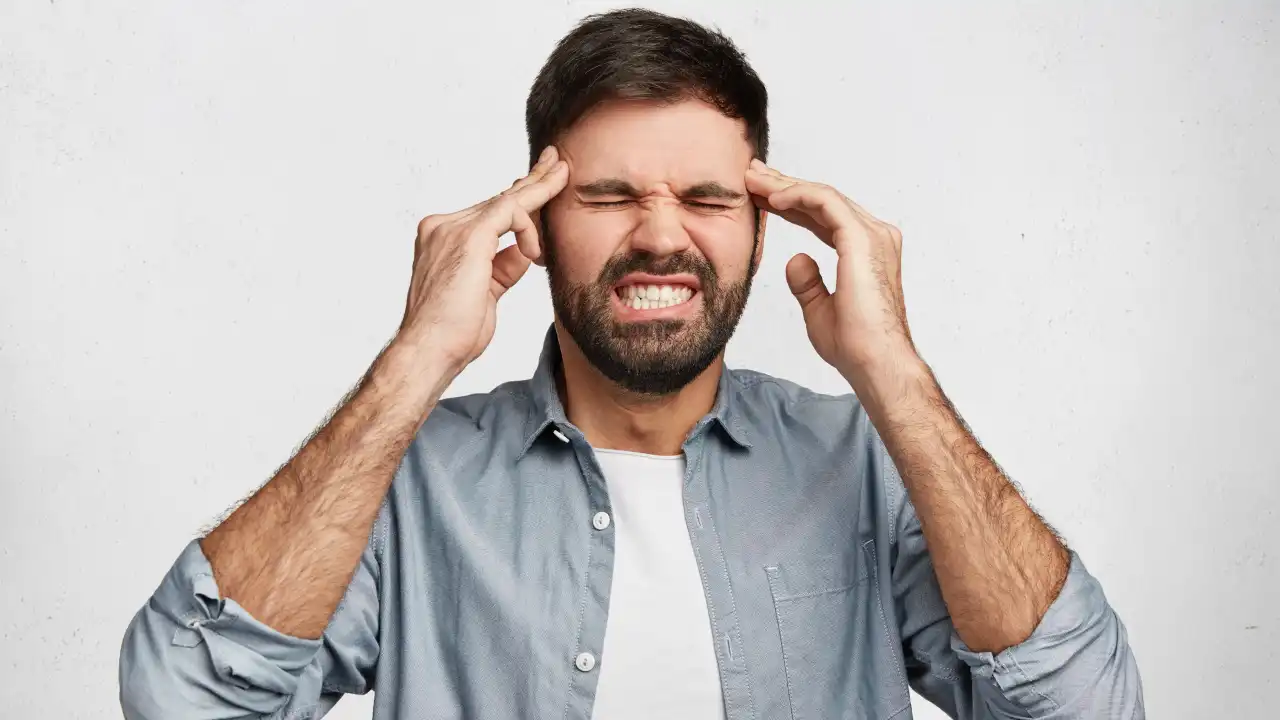
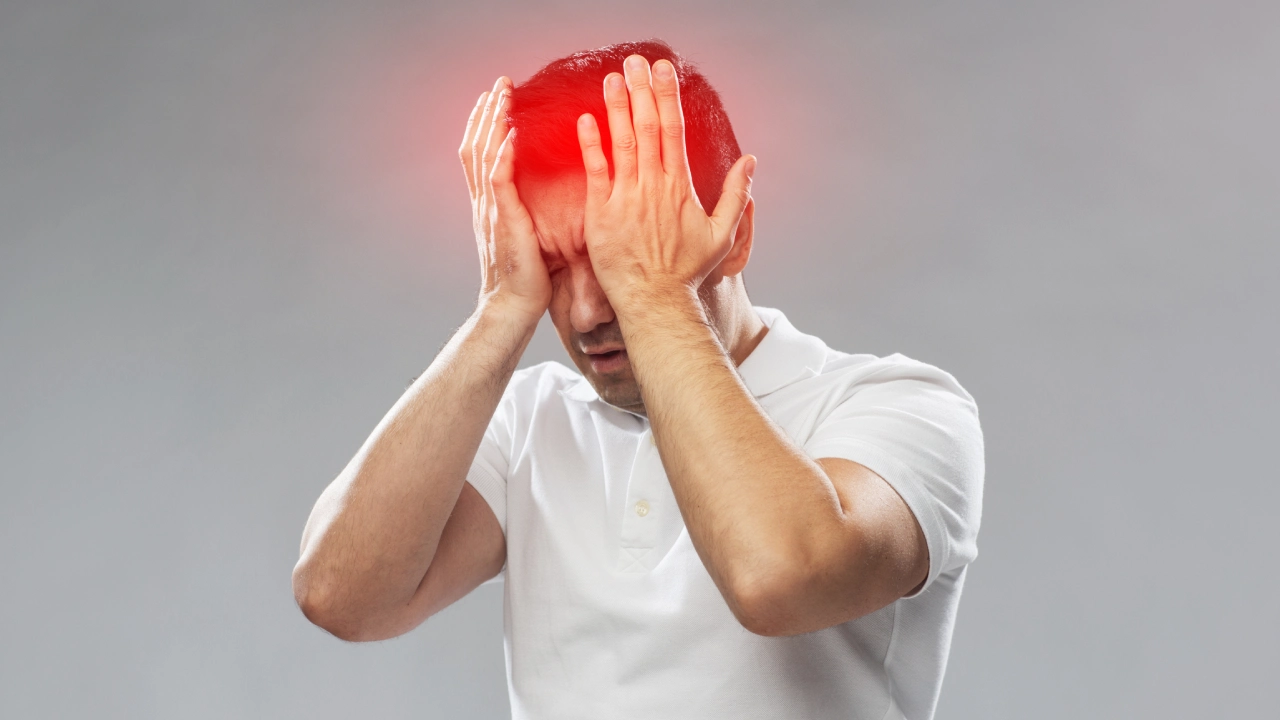
Many individuals notice symptoms such as dizziness, headaches, blurred vision, fatigue, neck stiffness, or difficulty concentrating after a Concussion. These changes may affect work duties, driving, screen use, or participation in sports. Movement assessment often reveals altered posture, reduced neck mobility, and reduced tolerance for rapid movement.

Following a Concussion, gradual reintroduction of physical activity plays a major role in restoring normal function. Structured movement progression can help the body rebuild coordination between visual input, balance control, and muscular response.

Common Signs That May Appear After a Head Impact

Although each situation differs, several physical indicators frequently appear after head trauma. These signs may develop immediately or hours after the incident:

  • Headache or pressure in the head
  • Dizziness or unsteady balance
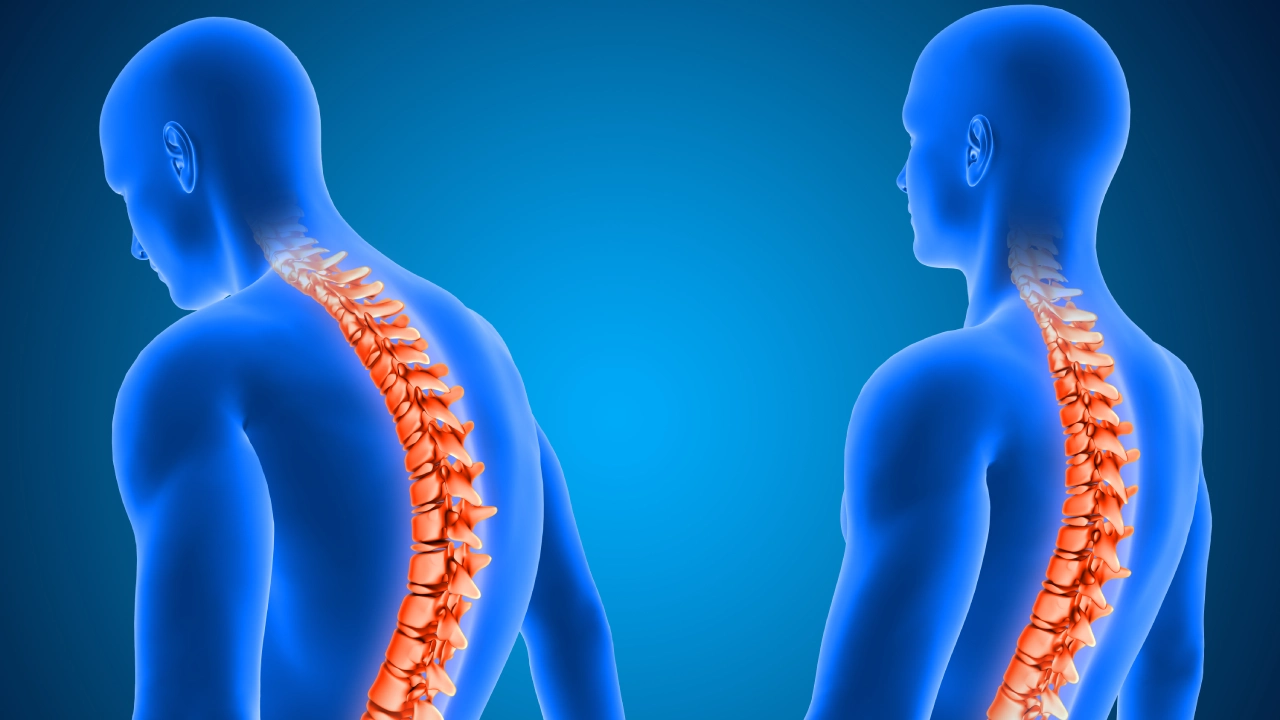
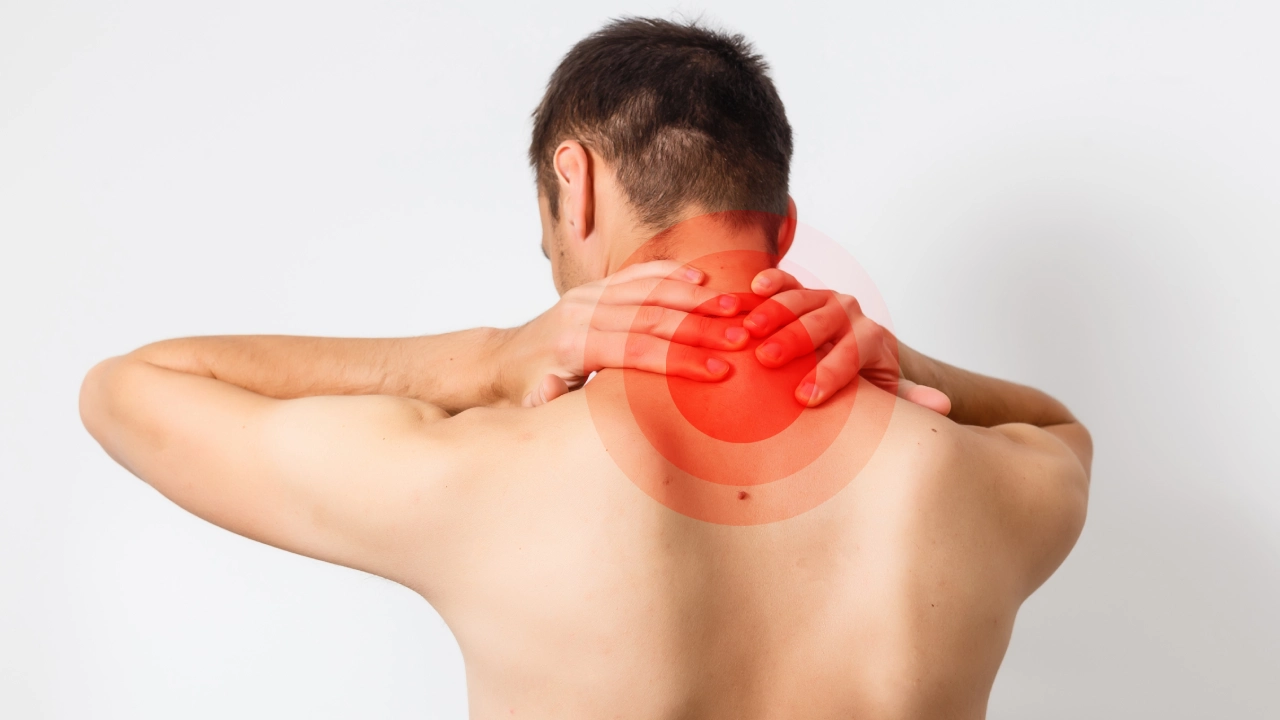
  • Neck stiffness or discomfort
  • Sensitivity to light or noise
  • Difficulty concentrating
  • Slower reaction time
  • Fatigue during mental or physical activity

These symptoms may shift throughout the recovery period. Careful monitoring helps determine when activity levels can be safely increased.

Assessment After Concussion

A detailed physical review helps determine how the body responds when a Concussion has occurred. At Prime Health Physiotherapy, assessment often focuses on several physical systems that influence stability and coordination.

Key areas evaluated may include:

Balance and stability

Standing balance, walking control, and directional movement provide insight into how the inner ear and nervous system communicate.

Eye and head coordination

Visual tracking and head movement tests help identify strain between visual processing and neck movement.

Neck mobility and muscle tension

Head impacts frequently influence the cervical spine. Limited neck mobility or neck muscle tension may contribute to headaches or dizziness.

Tolerance to gradual activity

Light cardiovascular movement can show how the body responds when physical demand slowly increases.

Results from these observations help shape the progression of physical activity.

Movement and Balance Training for Concussion

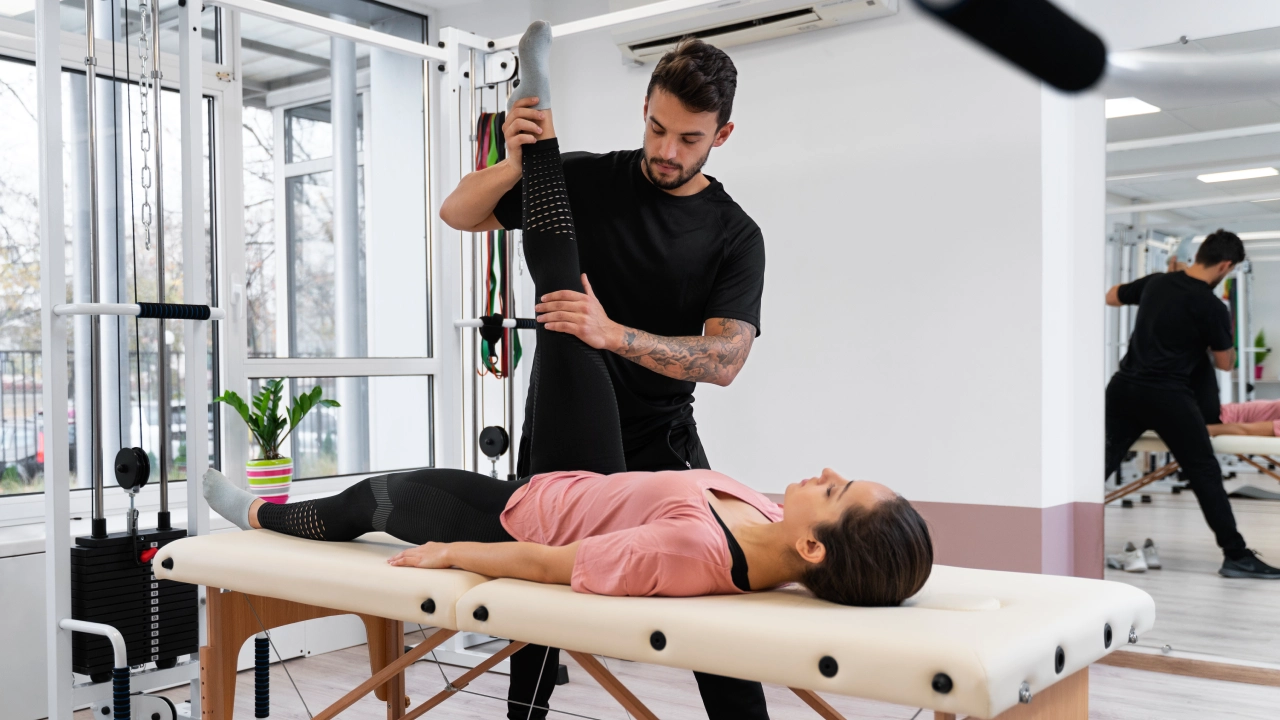
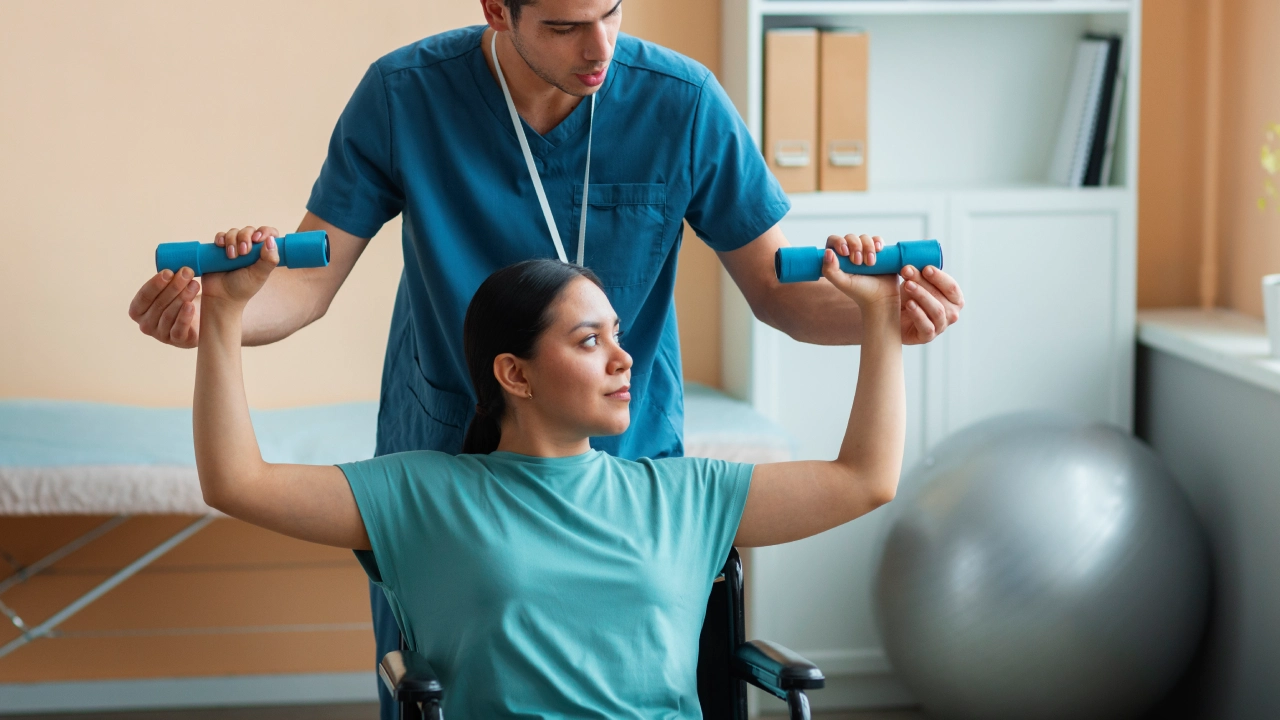
Movement progression plays a central role in restoring coordination after Concussion. Exercises often begin with low-intensity activity that encourages circulation and gentle body movement. As tolerance improves, the program may gradually introduce more complex tasks.

Rehabilitation may involve:

Balance retraining

Controlled standing and walking drills support the connection between the inner ear, vision, and muscles responsible for stability.

Neck mobility work

Gentle mobility drills may help restore normal cervical movement, which can influence dizziness and headaches.

Visual tracking exercises

Structured eye-movement drills help the visual system adapt to motion and screen use.

Gradual cardiovascular activity

Low-intensity cycling or walking can help the body rebuild tolerance to physical exertion after Concussion.

These activities typically progress in steps, allowing the nervous system to adapt without excessive strain.

Returning to Sport, Work, and School

Physical recovery after a Concussion often requires a staged return to activity. Sudden return to full sport participation or demanding work tasks may trigger symptoms again. Gradual progression helps maintain stability within the brain and body.

Stages may include:

  1. Light physical movement, such as walking
  2. Controlled exercise without rapid head movement
  3. Moderate activity involving coordination
  4. Sport-specific drills or workplace movement tasks
  5. Full participation once the body tolerates normal intensity

Each stage focuses on maintaining comfort during movement while gradually increasing physical demand.

Factors That Influence Recovery

Several elements may influence how the body responds after a head injury. These include:

  • Previous head impacts
  • Neck strain associated with the injury
  • Visual sensitivity
  • Balance system disruption
  • Activity level during early recovery

Because each factor may influence movement differently, physical assessment and progressive activity are key to supporting recovery.

Concussion Care at Prime Health Physiotherapy

At Prime Health Physiotherapy, attention is placed on restoring coordination, balance, and movement confidence after a Concussion. Physical evaluation focuses on posture, cervical mobility, balance reactions, and tolerance to controlled activity.

Movement-based rehabilitation aims to help individuals gradually return to daily tasks such as walking in busy environments, working at a computer, driving, or participating in physical recreation. Monitoring physical response during each stage helps ensure activity levels progress safely.

A Concussion may appear mild at first, yet its effects on coordination and physical tolerance can persist for weeks. Early movement assessment and structured activity progression can support a safe return to normal routines.

Frequently Asked Question (FAQ)

Recovery time varies. Some individuals notice improvement within a few weeks, while others require a longer period, depending on symptom severity and physical tolerance.

Short rest may help during the early phase. Gradual physical activity often becomes important once symptoms begin to settle.

Yes. Head impact frequently affects the cervical spine, which may contribute to headaches, dizziness, or stiffness.

Return to sport normally follows a staged progression. Each stage increases physical demand while monitoring symptom response.

Yes. Dizziness may involve the balance system, visual coordination, or neck movement, and physical evaluation can identify contributing factors.

More Conditions